
Blooming
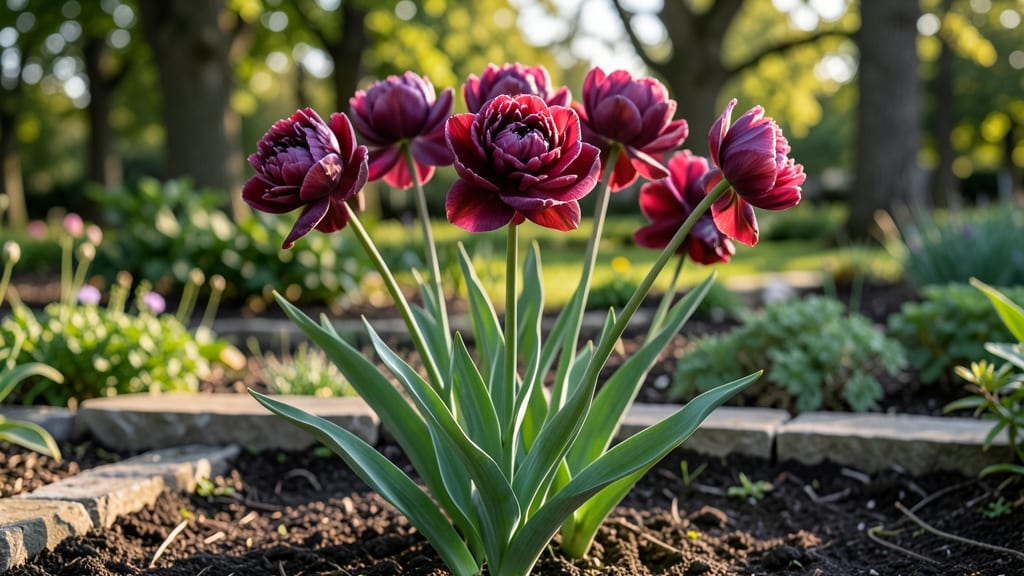
Double bloom tulips aren't just pretty—they're the secret to year-round color that makes neighbors do a double take. 🌷 I planted my first batch three years ago after struggling with single-bloom varieties that faded too fast.
The difference? These tulips keep reblooming like clockwork with the right care, turning my spring garden into a nonstop show.
Start with well-draining soil mixed with compost and plant bulbs in fall (6-8 weeks before frost) at 6-8 inches deep. They crave full sun (6+ hours daily) but tolerate light shade.
The key to multiple blooms? Deadheading spent flowers and fertilizing in early spring—skip this, and you'll get just one showy season instead of three.
By summer, you'll see those lush petals popping up again, this time with even more vigor. The secret weapon? Avoid overwatering—bulbs rot in soggy soil—and mulch lightly to protect roots.
Even my black thumb can't kill these when I follow these steps, and the payoff is months of color instead of just a fleeting spring burst.
Works in containers too—just use larger pots for better stability. Perfect for garden beds, borders, or even cutting gardens. Here's how to keep them blooming like crazy every season without the guesswork.
📚 In This Guide
- What you need
- Instructions
- Tips and common mistakes
- Wrapping up and next steps
What you need
- ● Double bloom tulip bulbs: Choose Darwin Hybrid, Parrot, or Fosteriana varieties (5–10 bulbs per square foot for dense planting).
- ● Well-draining soil: Mix 60% garden soil, 30% compost, and 10% perlite/sand (amend clay soil for aeration).
- ● Organic fertilizer: 5-10-10 NPK ratio (spring) + bone meal (fall) for root boost.
- ● Mulch: 2–3 inches of straw or shredded leaves (protects bulbs in winter).
- ● Garden trowel or bulb planter (for precise planting).
- ● Garden fork (to loosen soil before planting).
- ● Measuring tape/ruler (bulbs need 6–8" depth and 4–6" spacing).
- ● Watering can or hose with gentle spray (avoid bulb rot!).
- ○ Optional: Bulb fertilizer spikes (for convenience) or raised beds (for poor soil).
- ● Full sun location: 6+ hours of sunlight daily (partial shade = fewer blooms).
- ● Cold stratification: Plant bulbs in fall (6–8 weeks before first frost) for natural winter chilling.
- ● Patience: First rebloom may take 2–3 years (worth the wait! 🌸).
How to coax double blooms from tulips year after year
Here’s the science-backed method I’ve used to turn single-season tulips into reblooming powerhouses—no magic, just precise care.
🌱 Step 1: Select Reblooming Varieties and Plant Strategically
Not all tulips rebloom—stick to proven varieties like ‘Double Late’, ‘Parrot’, or ‘Fosteriana’ hybrids. Plant bulbs in well-draining soil at a depth of 6-8 inches (twice their height) in fall, when soil temps hit 60°F. I always plant in partial shade to prevent midday heat stress, which weakens the bulb’s energy reserves.
Space bulbs 4-6 inches apart in clusters of 3-5 for stronger stems. The key here is grouping: clustered bulbs share resources, creating a stronger root system that fuels multiple blooms. Avoid planting in heavy clay or waterlogged spots—reblooming tulips need dry feet in summer to recharge.
☀️ Step 2: Feed and Water for Bulb Strength
After the first bloom fades, do not cut the stem—let it photosynthesize until it yellows naturally. This process redirects energy back to the bulb. In early spring and again in late summer, apply a balanced 10-10-10 fertilizer (about ½ teaspoon per bulb) to encourage robust foliage growth.
Water deeply once a week during the growing season, aiming for 1 inch of moisture per week. The soil should feel damp 2 inches down but never soggy. Overwatering in summer causes rot, while underwatering starves the bulb of the nutrients it needs to produce a second bloom. I set a reminder to check soil moisture—consistency is everything.
✂️ Step 3: Deadhead and Prune for Next Year’s Blooms
When the first bloom wilts, cut the stem at the base—but only after the flower fully fades. This prevents seed production, which drains the bulb. Leave the leaves intact until they yellow completely (usually 6-8 weeks after blooming). The leaves are the bulb’s solar panels, storing energy for next year’s flowers.
If you see any moldy or discolored foliage, trim it immediately to prevent disease. I also remove any suckers (small bulbs that form at the base) unless you’re propagating—these divert energy from the parent bulb. The goal is to keep the mother bulb’s resources focused on two strong blooms, not offshoots.
🌿 Step 4: Mulch and Protect Over Winter
After the leaves die back, apply a 2-inch layer of mulch (straw or shredded leaves work best) to insulate the soil. This protects the bulbs from freeze-thaw cycles, which can damage them. In USDA Zones 4-6, I add an extra 4-inch layer of mulch for winter—reblooming tulips need consistent cold (below 40°F for 6-8 weeks) to reset their blooming cycle.
In spring, remove the mulch gradually as new shoots appear. If you remove it too soon, the soil stays too cold, delaying growth. Watch for 2-inch green shoots—that’s your signal to uncover the base of the plant. I always wait until mid-April in my zone before fully clearing the mulch, even if shoots appear earlier.
⏰ Step 5: Monitor and Adjust for Year Two
By the second year, your tulips should produce two full blooms if all conditions were met. If they don’t, check for overcrowding—dig up and divide bulbs that are more than 3 years old, replanting the largest ones. I replant every 3-4 years to prevent bulb rot and ensure strong blooms.
Pay attention to bloom timing: if flowers appear too early (before May), they’re vulnerable to late frosts. If they bloom too late (after June), they may not have time to recharge for a second round. Adjust planting depth or shade slightly to fine-tune the schedule. Reblooming is a delicate balance—but once you crack the code, you’ll have tulips blooming from May through July.
Tips & tricks for perfect reblooming tulips
These science-backed hacks will transform your single-season tulips into reliable rebloomers year after year.
Variety Selection: The foundation of reblooming success starts with choosing the right tulip varieties. While 'Double Late', 'Parrot', and 'Fosteriana' hybrids are proven performers, I've also had luck with 'Darwin Hybrid' tulips—they're more disease-resistant and produce stronger stems for that second bloom. The key is avoiding fragile varieties like 'Fransen' or 'Parrot' tulips, which often struggle to rebound after their first flush.
Soil Temperature Timing: Planting at exactly 60°F soil temperature isn't just about timing—it's about giving your bulbs the perfect start. To check soil temperature accurately, use a soil thermometer inserted 4 inches deep. If your soil runs cooler (below 55°F), wait a few days or plant in a slightly warmer microclimate like near a south-facing wall. I've learned this the hard way after planting too early in chilly springs, which led to weak growth and no second blooms.
Fertilizer Strategy: The ½ teaspoon of 10-10-10 fertilizer per bulb might seem modest, but timing is everything. I've found that applying it in early spring (just as shoots emerge) and again in late summer (after the second bloom) creates the perfect nutrient window. For an extra boost, mix in a handful of compost around each bulb cluster—this provides slow-release nutrients without the risk of over-fertilizing, which can burn bulb roots.
Winter Protection Zone Hack: In USDA Zones 7-9 where winters are milder, reblooming tulips still need that critical 6-8 weeks below 40°F to reset their blooming cycle. My solution? Use a heavy-duty frost blanket over the planting area during the coldest months. This creates the necessary chilling period without risking freeze damage to the bulbs. It's become my secret weapon for consistent reblooms in warmer climates.
Pro Tips for Double Bloom Tulips
- These science-backed hacks will transform your single-season tulips into reliable rebloomers year after year.
- Variety Selection: The foundation of reblooming success starts with choosing the right tulip varieties.
- Soil Temperature Timing: Planting at exactly 60°F soil temperature isn't just about timing—it's about giving your bulbs the perfect start.
Frequently asked questions
Got questions about double bloom tulips? You’re not alone!
Here’s what gardeners ask most—plus expert answers to keep your tulips flourishing year after year.
Why do double bloom tulips sometimes only flower once?
Even the best double bloom tulips may skip their second bloom if they’re stressed. Common culprits: overcrowding, poor soil, or not enough sunlight. Give them 6+ hours of sun, well-draining soil, and a balanced fertilizer (like 10-10-10) in early spring and fall. Patience pays off—reblooming often takes 2–3 years of care!
When is the best time to plant double bloom tulips for reblooming?
Plant bulbs in fall (6–8 weeks before frost)—this mimics their natural dormancy cycle. For year-round color, stagger plantings: early fall for spring blooms, late fall for summer reblooms. Pro tip: Use tulip bulbs labeled “reblooming” (like ‘Darwin Hybrid’ or ‘Fosteriana’ varieties) for better results.
How do I protect double bloom tulips from extreme heat or cold?
Double bloom tulips are hardy (zones 3–8), but heatwaves can stress them. Mulch with 2–3 inches of straw or shredded leaves after planting to insulate roots. In hot climates, plant in partial shade (morning sun, afternoon shade) and water deeply 1x/week during dry spells. Avoid soggy soil—drainage is key!
Can I force double bloom tulips indoors for early blooms?
Yes! For indoor blooms by Christmas, chill bulbs in a cool, dark place (like a fridge) for 12–16 weeks, then pot them in well-draining soil. Place in bright light (no direct sun) and keep soil moist. Warning: Indoor tulips may skip reblooming outdoors—plant leftover bulbs in your garden afterward for next year’s magic!
What’s the easiest alternative if double bloom tulips don’t rebloom?
Try perennial tulips like Tulipa clusiana or Tulipa greigii—they’re naturally reblooming with less fuss! For low-maintenance color, mix in alliums or daffodils (which bloom earlier). Bonus: Deadhead spent blooms to encourage foliage growth, which fuels next year’s flowers.
Wrapping up and next steps
Double bloom tulips are your ticket to year-round garden magic—no green thumb required! With the right care, these stunning blooms can reward you with two (or even three!) rounds of color, turning your yard into a vibrant canvas.
Start small: plant a few varieties, experiment with techniques like deadheading or fertilizing, and watch your garden transform into a reblooming paradise. 🌸
Ready to dive in? Pick your favorite double bloom tulips, grab your gardening gloves, and let nature do the rest—your future self (and your neighbors!) will thank you. 🌱 Next: Plan your planting schedule!