
Blooming
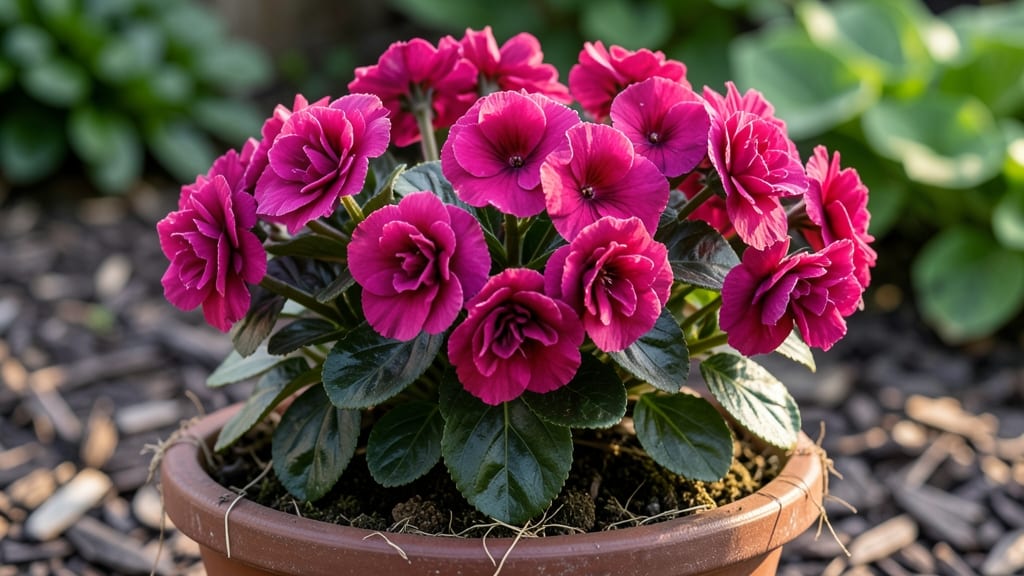
Double bloom impatiens transform shady spots into nonstop color factories—and the secret to their showstopping performance starts with the right care. 🌿 I've grown these vibrant plants for years, and the difference between a few weeks of blooms and months of lush flowers comes down to deadheading, soil prep, and a few simple tricks most gardeners miss.
These impatiens aren't just pretty—they're workhorses that keep flowering until frost, even in partial shade where other plants struggle. The double blooms mean twice the petals per flower, and with proper care, you'll get three full seasons of color from one plant.
That's right: spring, summer, and fall blooms if you start them right. The payoff is immediate: within 4-6 weeks of planting, you'll see those first bold flowers appear, and with consistent deadheading, they'll keep coming until winter.
The foliage stays glossy and green, and the plants fill in quickly, creating that lush, tropical look without needing full sun. Works in containers, hanging baskets, or garden beds—just give them moist, well-draining soil and shade after 10 AM. Here's how to make them thrive all season long.
📚 In This Guide
- What you need
- Instructions
- Tips and common mistakes
- Wrapping up and next steps
What you need
- ● Double Bloom Impatiens Plants: 3–5 plants per container (6–12" pots) or 1 plant per 12" of garden bed space.
- ● Well-Draining Potting Mix: 1–2 bags (1.5–2 cubic feet each) of peat-based or coconut coir blend (avoid heavy clay soil).
- ● Slow-Release Fertilizer: 1 lb of balanced 10-10-10 or 14-14-14 granules (mixed into soil at planting).
- ● Watering Can or Hose with Nozzle: Fine-mist setting for gentle hydration.
- ● Pruning Shears: Sharp, clean pair (sterilize with rubbing alcohol between cuts).
- ● Mulch (e.g., pine bark or shredded leaves): 1–2 inches to retain moisture and suppress weeds.
- ● Liquid Fertilizer (e.g., fish emulsion or bloom booster): Diluted to half-strength for monthly feedings.
- ● Shade Cloth (30–50% coverage): For hot climates (hang over containers or garden beds).
- ● Decorative Stakes or Trellis: For trailing varieties (e.g., Impatiens walleriana ‘Double’ series).
- ● Gloves: To protect hands from soil or thorns (if using rustic containers).
- ● Location: Partial to full shade (4–6 hours of indirect light daily; no direct sun!).
- ● Temperature: Ideal range: 60–75°F (avoid frost—these are tender perennials).
- ● Humidity: Thrives in 50%+ humidity; mist leaves if air is dry (common in homes).
Step-by-Step guide to growing double bloom impatiens
Here’s how to coax those vibrant, repeat-blooming flowers all season long—without the fuss.
🌱 Step 1: Choose the Right Location for Year-Round Blooms
Double bloom impatiens thrive in partial shade—think 4-6 hours of morning sun and afternoon shade, especially in hotter climates. Too much direct sun scorches the leaves and fades petals faster. I always plant mine under the drip line of larger trees or on the north side of the house where temperatures stay cooler.
Test your spot by observing how long sunlight lingers. If leaves crisp by midday, move them deeper into shade. The ideal location keeps foliage lush and flowers vibrant for months. Amend the soil with 2-3 inches of compost before planting to ensure good drainage—impatiens hate soggy roots.
💧 Step 2: Plant and Water for Immediate Establishment
Dig holes twice as wide as the root ball but only as deep as the container’s bottom. This prevents crown rot from buried stems. Space plants 10-12 inches apart—crowding stresses roots and reduces airflow, which invites fungal diseases. Gently tease apart any tangled roots before placing them in the hole.
Water deeply right after planting until the soil is evenly moist to 6 inches down. You’ll know it’s right when water pools on the surface but drains within 15 minutes. Mulch with 2 inches of shredded bark to retain moisture and suppress weeds. Impatiens are thirsty plants—water every 2-3 days during dry spells, but never let them sit in standing water.
✂️ Step 3: Deadhead Regularly for Nonstop Blooms
This is the secret to double bloom impatiens living up to their name. Pinch off spent flowers twice weekly using your fingertips—no sharp tools needed. The key is to remove the entire flower head down to the first set of healthy leaves. You’ll see new buds form within 7-10 days in the same spots.
I set a timer every Sunday and Thursday to deadhead—it takes just 5 minutes per plant. If you skip this, the plant redirects energy into seed production instead of new blooms. For extra-long seasons, fertilize lightly with a balanced 10-10-10 formula every 4 weeks to encourage continuous flowering.
🌿 Step 4: Monitor for Pests and Adjust Care Seasonally
Watch for aphids or spider mites, which love stressed impatiens. I spray plants with a neem oil solution (1 tsp per quart of water) at the first sign of sticky leaves or fine webbing. Avoid chemical sprays—they can burn tender foliage. Prune leggy stems back by one-third in early summer to encourage bushier growth and more blooms.
As temperatures drop below 50°F, impatiens slow their growth. Reduce watering to every 4-5 days and stop fertilizing. In frost-prone areas, bring potted plants indoors near a bright window and reduce watering further. With proper care, they’ll rebound beautifully come spring.
Tips & tricks for year-round impatiens success
These are the little details that make all the difference between a few weeks of blooms and months of vibrant color.
Lighting Strategy: The 4-6 hours of morning sun in Step 1 is non-negotiable for double bloom impatiens. I've found that using a simple shade cloth (30-50% block) during peak afternoon sun can extend their lifespan by 3-4 weeks in hot climates. This mimics the natural dappled light they'd get under larger trees, preventing leaf scorch while still allowing enough light for photosynthesis.
Root Ball Technique: When planting, don't just drop your impatiens into the hole—gently tease apart those tangled roots as mentioned in Step 2. I've seen plants with tightly bound roots struggle for weeks to establish, while those with loosened roots show new growth within 10 days. This simple step prevents crown rot by ensuring proper soil contact all around the root ball.
Deadheading Discipline: The twice-weekly deadheading in Step 3 is where the magic happens for continuous blooms. I've created a simple system: use a small basket to collect spent flowers, then compost them immediately. This prevents seed formation and gives you instant visual feedback—when your basket fills up quickly, you know you're getting lots of blooms! The 7-10 day window for new buds is consistent, but I've noticed it's faster (5-7 days) when plants are well-watered and fertilized.
Seasonal Transition: That 50°F threshold in Step 4 is crucial for fall care. I've learned to monitor my local weather forecast and start reducing watering when nighttime temps consistently drop below 55°F—about 5-7 days before the official 50°F mark. This gradual adjustment prevents shock to the plants and helps them transition more smoothly into their winter dormancy period.
Pro Tips for Double Bloom Impatiens
- These are the little details that make all the difference between a few weeks of blooms and months of vibrant color.
- Lighting Strategy: The 4-6 hours of morning sun in Step 1 is non-negotiable for double bloom impatiens.
- Root Ball Technique: When planting, don't just drop your impatiens into the hole—gently tease apart those tangled roots as mentioned in Step 2.
Frequently asked questions
Got questions about keeping your Double Bloom Impatiens thriving?
You’re not alone! Here are answers to the most common queries—from blooming secrets to troubleshooting tips.
When do Double Bloom Impatiens flower the most?
Double Bloom Impatiens typically burst into vibrant color from early summer through fall, with peak blooms in warm but not scorching weather (60–80°F). For year-round blooms, deadhead spent flowers weekly and provide partial shade in hot climates. Pro tip: Morning deadheading keeps them blooming longer!
Can I grow Double Bloom Impatiens in containers?
These beauties thrive in hanging baskets, pots, or window boxes as long as the container has drainage holes and is at least 6–8 inches deep. Use a well-draining potting mix and fertilize every 2–3 weeks during bloom season. Bonus: They’re perfect for patios or balconies!
Why aren’t my Double Bloom Impatiens blooming?
Lack of blooms often means too much sunlight, over-fertilizing with nitrogen, or poor deadheading habits. Move them to partial shade (4–6 hours of sun), switch to a bloom-boosting fertilizer (low nitrogen, high phosphorus), and prune leggy stems. Check for pests too—aphids or spider mites can stress plants.
Are Double Bloom Impatiens cold-hardy?
Nope! These tropical darlings cannot tolerate frost—they’re annuals in most climates. If you love them, savor their summer-to-fall show and treat them as seasonal stars. For winter, save seeds or opt for heat-tolerant varieties like ‘Double Vision’ for longer blooms.
What’s a good alternative if I can’t grow Double Bloom Impatiens?
Try these low-maintenance, shade-loving bloomers:
- Begonias – Similar trailing habit, heat-tolerant.
- Coleus – Vibrant foliage, thrives in shade.
- Caladiums – Stunning leaves, loves humidity.
- Fuchsias – Delicate blooms, great for containers.
Wrapping up and next steps
Double Bloom Impatiens are a gardener’s secret weapon for year-round bursts of color—and with the right care, they’ll keep blooming like clockwork! 🌸 From mastering deadheading to troubleshooting common pests, you now have all the tools to cultivate vibrant, thriving plants. Don’t stop here—grab your pruners and get growing!
Your next step? Experiment with placement—try them in shady spots, containers, or even as trailing beauties. Share your blooming success (or ask questions!) in the comments below. Happy gardening! 🌿✨