
Blooming
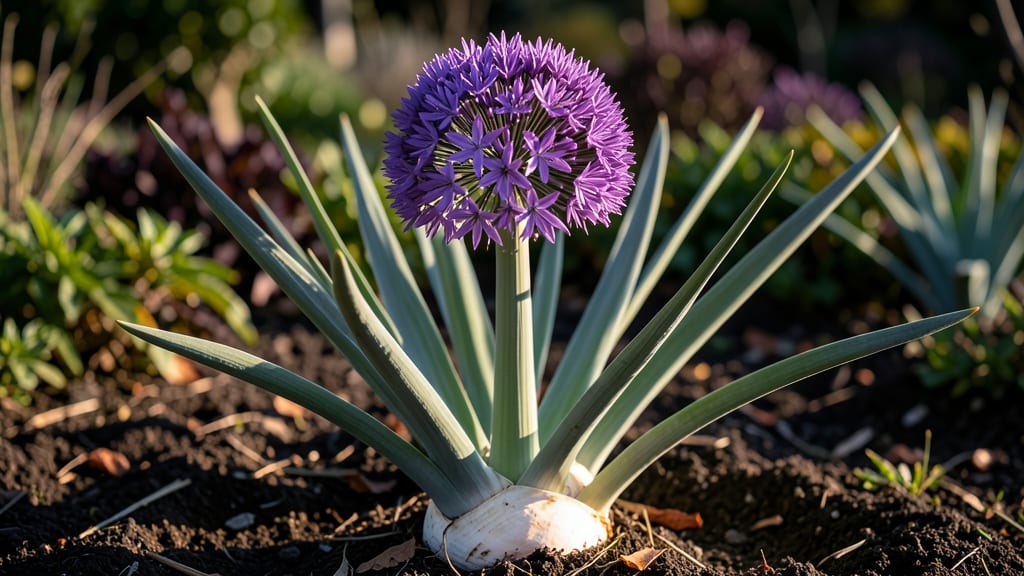
The Allium giganteum bloom time transforms your garden into a dramatic spring spectacle with its towering 🌸 globes of purple-pink flowers—if you time it right.
Picture this: late May to early June in most of the U.S., when your neighbors’ gardens are still full of green, but yours is bursting with 5-foot-tall alliums that look like they belong in a botanical garden.
The key? Planting in March or April for Zone 6a (and adjusting for warmer or cooler zones) so the bulbs get the cold snap they need to trigger those showstopping blooms.
But here’s the catch: too much shade or a late frost can delay—or even cancel—those globe-shaped flowers.
That’s why I’ll walk you through the exact months for your zone, how sunlight affects timing, and a few pro tips to push your alliums into bloom earlier or keep them looking fresh longer.
By the end, you’ll know not just when to expect those 🌸 clouds of color, but how to pair them with other spring bloomers for a garden that feels like a well-staged photoshoot every time you walk by.
When does Allium giganteum bloom? Months by USDA hardiness Zone
Allium giganteum, also called giant allium or ornamental onion, is a garden superstar with its dramatic globe-shaped blooms that can reach up to 6 inches wide. But when exactly will your plants put on their show? The answer depends heavily on your USDA hardiness zone and local climate. In colder zones, blooms often arrive earlier in the season, while warmer zones may see later—but equally stunning—flowering displays.
Understanding these regional bloom windows helps you plan companion plants, extend your garden's visual interest, and even adjust planting schedules for earlier or later blooms.
Whether you're in Zone 3's harsh winters or Zone 9's mild climate, timing your alliums right ensures they'll steal the show when you need them most.
🌱 Pro Tip: Allium giganteum typically blooms in late spring to early summer, but exact months vary by zone. Early bloomers may appear as soon as April in Zone 3, while later zones like Zone 9 might not see flowers until June or July. Let's break down what to expect where you garden.
In Zones 3-4, where winters are long and cold, Allium giganteum often waits until late May or early June to bloom. This delay gives the bulbs time to recharge after dormancy.
If you're eager for earlier color, consider planting bulbs in containers and moving them to a protected location once shoots emerge. Some gardeners in these zones even use row covers to shield young plants from late frosts.
Gardeners in Zones 5-6 enjoy the most predictable bloom times, typically from early to late May. This makes Allium giganteum a reliable choice for spring garden displays. To extend the season, try planting bulbs in successive batches—some in fall and others in early spring.
This staggered approach can give you blooms from April through June, keeping your garden vibrant longer.
💡 Climate Hack: In Zones 7-8, where winters are mild, you can push blooms even earlier by planting bulbs in late fall. The cooler temperatures trigger faster growth, often resulting in March or early April blooms. Just be sure to mulch heavily to protect the bulbs from unpredictable cold snaps that can still occur in these zones.
For those in Zones 9-10, the bloom season shifts later due to warmer winters and hot summers. Expect flowers to appear from June through July, with some varieties lasting into early August.
If you're dealing with intense summer heat, provide afternoon shade to prevent the plants from bolting too quickly. You can also plant bulbs in fall for a winter-to-spring display, though they may bloom slightly later.
No matter your zone, Allium giganteum thrives with well-draining soil and full sun
How light exposure affects Allium giganteum bloom time
Sunlight is the secret weapon for triggering Allium giganteum blooms. These towering beauties thrive when basking in full sun exposure, but too little light can delay—or even prevent—those stunning globe-shaped flowers. Understanding your garden’s light conditions helps you predict bloom timing and troubleshoot issues like sparse or late flowering.
In ideal conditions, Allium giganteum needs 6 to 8 hours of direct sunlight daily to produce its signature blooms. Without enough light, the plant may focus energy on leaf growth instead of flower production, leaving you with lush foliage but few showstopping blooms.
Even partial shade can shift bloom timing by weeks, especially in cooler climates.
If your Allium giganteum receives less than 6 hours of sun, you’ll likely see blooms 4 to 6 weeks later than expected. In partial shade (3-6 hours of sun), the flowers may also appear smaller or fewer in number.
For example, plants in Zone 5 with 4 hours of sun might bloom in late June instead of May.
To compensate for low-light conditions, try these strategies: relocate your plants to a sunnier spot, prune nearby trees or structures casting shade, or choose a south-facing location for maximum exposure. Even a reflective surface like a white wall can help bounce extra light onto your plants.
Watch for signs of light deprivation, like leggy stems or pale leaves. If you notice these, act fast—moving the plant to full sun can often revive bloom potential within a growing season.
In extreme cases, supplemental grow lights (12+ hours daily) can encourage flowering, though this is best for container-grown specimens.
Remember, consistency is key. Once your Allium giganteum establishes in full sun, it’ll reward you with bold, long-lasting blooms year after year. With the right light exposure, you’ll turn your garden into a showstopper by late spring or early summer. 🌸