
Blooming
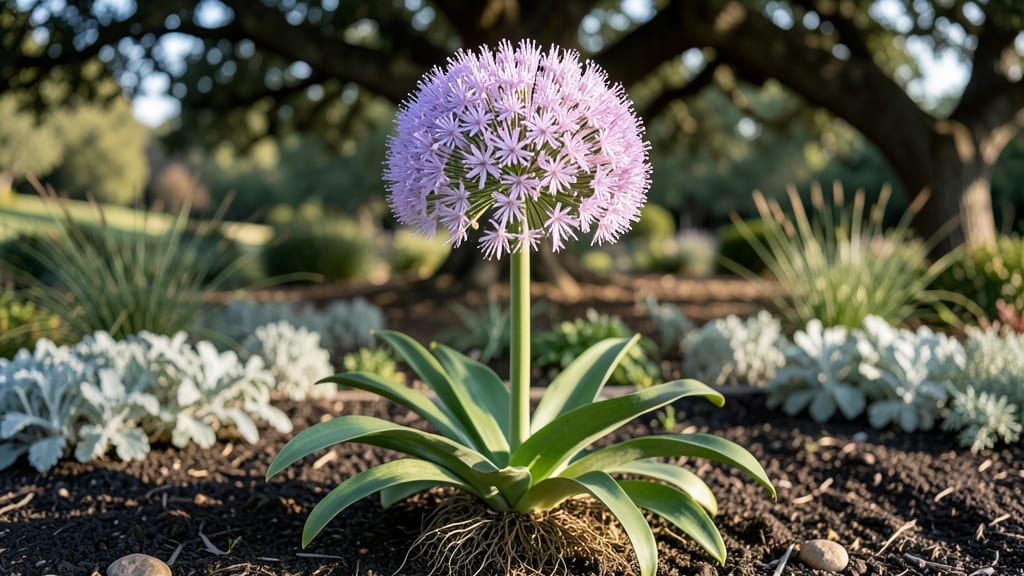
Alliums don't bloom all summer—most varieties flower just once during spring or early summer, though select types like Allium 'Globemaster' or 'Purple Sensation' can produce secondary blooms under optimal growing conditions with consistent care.
Most alliums follow a strict seasonal bloom cycle tied to daylight length and temperature shifts, which explains why they typically flower just once per year. 🌸 The exceptions—like the globe alliums—respond to proper fertilization and moisture levels, which encourage new flower stems to develop after the first bloom fades.
I've found that maintaining well-draining soil and avoiding overwatering creates the best conditions for potential reblooming, though even these varieties may need 2-3 years to establish strong roots before showing repeat performance.
Understanding your specific allium variety is key—some ornamental types like chives or garlic chives may produce intermittent foliage blooms throughout summer, while the showstopper globe varieties focus their energy on dramatic single-season displays.
The secret to extending any allium's bloom period lies in deadheading spent flowers promptly and providing balanced nutrients during the growing season.
💡 In This Article
- Allium Bloom Cycles: Seasonal Variety Breakdown
- Encouraging Reblooming in Alliums: Pro Tips
Allium bloom cycles: seasonal variety breakdown
The blooming patterns of alliums are primarily governed by their biological classification and environmental triggers. Most allium species, including popular garden varieties like Allium 'Purple Sensation' or Allium 'Millennium', follow a single-season bloom cycle that peaks in late spring to early summer.
This timing aligns with their natural adaptation to cooler temperatures and increasing daylight hours, which stimulate flower production through a process called vernalization—a cold period that breaks dormancy and triggers blooming.
Daylight length plays a crucial role in this cycle. Short-day plants (like many alliums) require a critical period of darkness to initiate flowering, typically around 12-14 hours of darkness per day.
Once temperatures rise above 60°F and daylight stretches beyond 14 hours, most alliums shift their energy from foliage growth to flower development.
The exceptions, like Allium 'Globemaster', can produce secondary blooms because they store energy in their bulbous bases, allowing them to generate new flower stems under ideal conditions.
Temperature also influences blooming intensity. Alliums thrive in USDA Zones 3-9, but their flowering response varies by region. In cooler climates, blooms may appear earlier, while warmer zones might see delayed or reduced flowering.
For example, Allium 'Haarlem Pearl' often blooms in late spring in Zone 5 but may wait until early summer in Zone 8. This delay occurs because warmer soils and extended daylight suppress the vernalization process, pushing blooming later in the season.
Not all alliums fit this pattern—ornamental varieties like garlic chives (Allium tuberosum) or nodding onions (Allium cernuum) may produce intermittent foliage blooms throughout summer, though these are typically smaller and less showy than their spring counterparts.
The key difference lies in their growth habit: while globe alliums focus energy on dramatic single-season displays, these smaller types prioritize continuous foliage production with occasional blooms.
Understanding these patterns helps gardeners set realistic expectations. Most alliums won't bloom continuously, but their foliage often remains attractive throughout the season. For example, Allium 'Schubert' produces striking purple blooms in spring but maintains decorative, arching stems even after flowering.
This dual-purpose growth makes alliums valuable even outside their primary bloom window.
For those seeking summer blooms, focus on varieties like Allium 'Summer Drummer', which produces smaller but prolific flowers in mid-to-late summer. These types often bloom later because they require a longer growing season to mature their bulbs fully.
The trade-off? They may not reach the same dramatic size as spring-blooming varieties, but their extended season compensates for this difference.