
Succulent
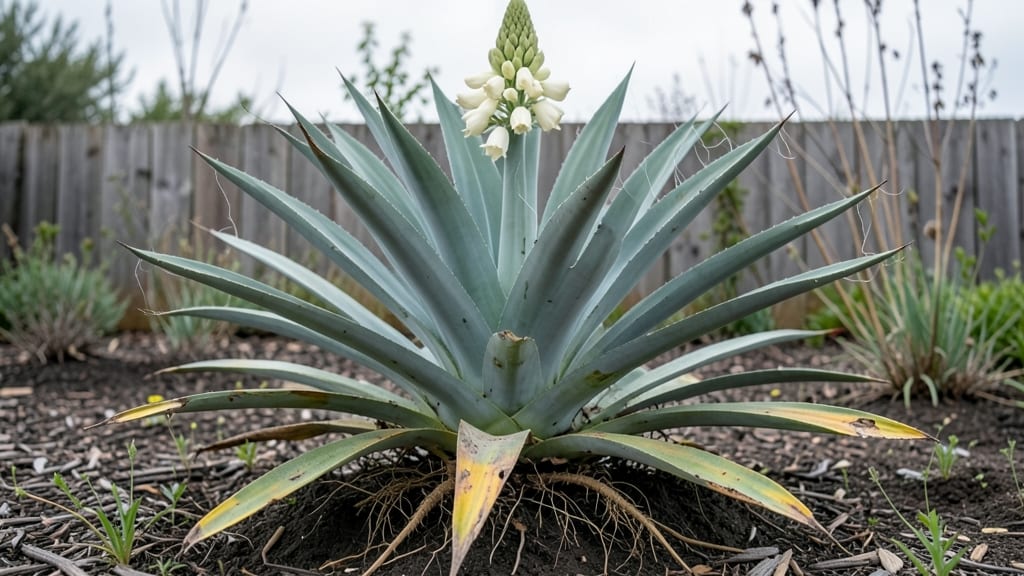
Your Adam’s needle 🌵 (Yucca filamentosa) blooms when it hits the right balance of age, sunlight, and seasonal cues—and missing just one can mean waiting years for those dramatic 6-foot spikes.
If you’ve ever wondered why your Adam’s needle blooms one year and skips the next, timing is everything—and this year could be its showstopper. Most gardeners in USDA Zone 6a see flowers in late spring, but a few tweaks can shift that window by weeks.
Blooming isn’t just about luck; it’s about giving your plant the right stress signals—like withholding water in early spring or moving it to full sun.
I’ll walk you through the exact triggers, from soil moisture to temperature shifts, so you can turn next season into your plant’s most spectacular show yet.
Ready to unlock those towering flower stalks? Here’s how to set the stage for blooms that’ll make your garden the talk of the neighborhood.
When does Adam’s needle bloom: seasonal triggers and exact timing
Your Adam’s needle (Yucca filamentosa) may look like a tough, low-maintenance plant, but its blooming schedule is actually highly climate-dependent. Understanding these seasonal triggers can mean the difference between a 6-foot-tall flower spike and another year of silent leaves.
The key lies in temperature shifts, USDA zone conditions, and even the plant’s maturity age—all of which I’ll break down for you.
For most gardeners, the bloom window arrives like clockwork—but only if you’ve created the right conditions. In cooler climates (zones 4-6), expect blooms in late spring to early summer, while warmer zones (7-10) see flowers as early as April.
The secret? Your plant needs a winter chill period followed by a warm temperature spike to trigger those dramatic flower stalks.
If your Adam’s needle is younger than 4-6 years, don’t expect flowers—this plant needs time to establish a strong root system before devoting energy to blooms.
I’ve seen gardeners in zone 7 rush to fertilize their 3-year-old plants in hopes of early blooms, only to be disappointed when nothing happens. Patience is key—or propagate from mature offsets to speed up the process.
The temperature trigger is what really makes or breaks the bloom. Your plant needs a cool winter rest period (ideally 40-50°F nights) followed by a warm spring to break dormancy.
In zone 10, where winters are mild, you might need to simulate chill by moving potted plants to a cooler spot or using shade cloth. Without this temperature contrast, your plant may skip blooming entirely.
For gardeners in erratic climates, like the Pacific Northwest or Midwest, unpredictable weather can throw off bloom timing. If your area had an unusually warm winter, your plant might bloom 2-4 weeks early.
Conversely, a late spring frost could delay flowers until August. Pay attention to your local first frost dates and adjust watering and sunlight to keep your plant healthy during these shifts.
One pro tip I’ve used with success is to withhold water for 2-3 weeks in early spring—this mimics natural drought conditions and can trigger blooming. Just be careful not to let the soil dry out completely, or you’ll stress the plant too much.
I’ve seen zone 8 gardeners use this trick to coax blooms from 5-year-old plants that had previously skipped flowering.
If your Adam’s needle is in a container, you have even more control over bloom timing. Move pots to a sunnier location 4-6 weeks before your expected bloom month, and consider a light fertilizer (5-10-10) in early spring to encourage flowering.
Just avoid high-nitrogen fertilizers—they’ll promote leaf growth instead of flower spikes.
Finally, remember that bloom timing varies even within the same zone. Microclimates, soil conditions, and individual plant genetics all play a role. If your neighbor’s Adam’s needle blooms in May while yours waits until July, don’t panic—it’s likely just a matter of soil moisture or sun exposure differences.
Keep track of your plant’s growth patterns over the years, and you’ll start to predict its bloom window like clockwork.
With these seasonal triggers in mind, you’re now equipped to time your Adam’s needle blooms for maximum impact. Whether you’re in zone 4 or zone 10, the key is understanding your plant’s climate needs and giving it the right conditions to shine. 🌵
How to maximize Adam’s needle flowering: pro tips for stunning blooms
Your Adam’s needle (Yucca filamentosa) might look healthy, but it’s holding back its showstopping blooms—and the fix is simpler than you think. This drought-loving shrub needs precise care to trigger those 6-foot-tall flower spikes, and small adjustments can make all the difference.
Whether you’re dealing with a skipping bloom or weak flower stalks, these proven strategies will help your plant put on its best display.
Think of your Yucca filamentosa as a drought-adapted diva—it thrives on neglect but demands specific conditions to bloom. The key lies in stress management, light optimization, and timing.
By mimicking natural cycles and avoiding common care mistakes, you’ll coax your plant into its most dramatic flowering phase. Let’s dive into the exact steps that work.
5 Critical Factors for Triggering Blooms
- 1. Stress-Induced Blooming: Withhold water for 2-3 weeks in early spring to mimic drought stress, but never let soil dry completely.
- 2. Sunlight Boost: Move plants to full sun (6+ hours/day) 4-6 weeks before expected bloom time for maximum energy production.
- 3. Pruning Hack: Cut back dead flower stalks at the base to redirect energy to new growth and encourage future blooms.
- 4. Fertilizer Schedule: Use a 5-10-10 formula in early spring (avoid high nitrogen—it promotes leaves, not flowers).
- 5. Age Maturity: Plants under 4 years old rarely bloom—be patient or propagate from mature offsets for faster results.
For indoor Adam’s needle plants, light exposure is the game-changer. Place them near a south-facing window or supplement with a grow light for 12+ hours daily. Without enough light, your plant will focus on leafy growth instead of blooming.
I’ve seen indoor Yuccas go from leggy and sparse to bushy and ready to bloom in just 8 weeks after adjusting their light.
Don’t overlook the power of pruning—it’s not just about cleaning up your plant. After blooms fade, cut the spent flower stalks at the base with sterilized pruners. This redirects energy to the roots and new shoots, setting the stage for next year’s showstopping display.
Pro tip: Save the seeds from your blooms if you want to propagate new plants—just let them dry completely before storing.
If your Yucca filamentosa still refuses to bloom, check its soil moisture balance. These plants hate soggy roots—water only when the top 2 inches of soil are dry. In containers, ensure pots have drainage holes and use a cactus mix to prevent root rot.
Overwatering is the #1 reason these plants skip blooming, so err on the side of underwatering rather than overdoing it.
With these pro tips, your Adam’s needle will reward you with stunning, 6-foot-tall flower spikes that turn heads in any garden. The secret? Precision care—not neglect. Give it the right conditions, and it’ll bloom like never before! 🌵