
Blooming
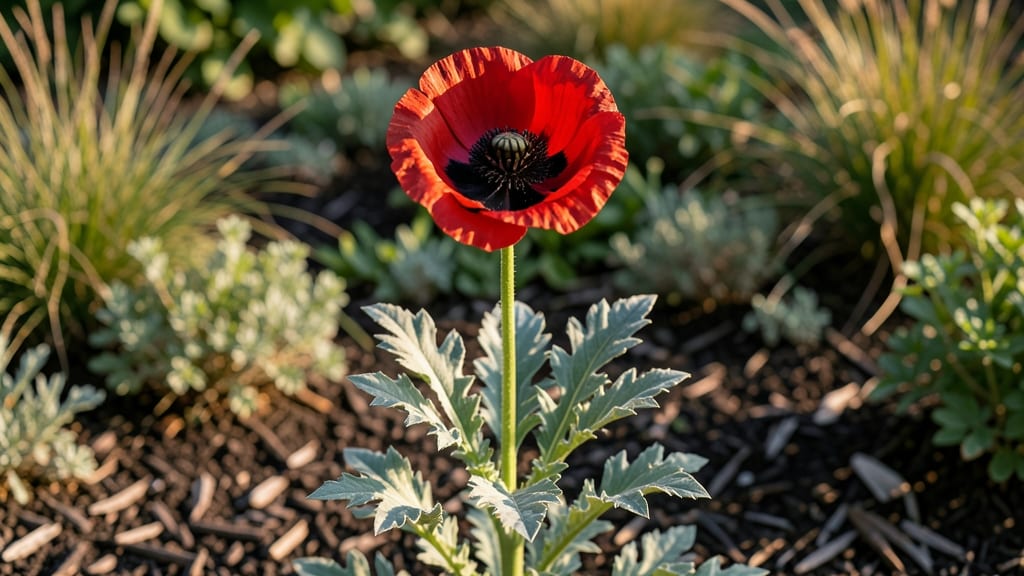
Oriental poppies bloom in late spring to early summer 🌸, turning gardens into fiery canvases of color—but their exact timing depends on where you live.
If you’ve ever dreamed of a garden bursting with fiery red, coral, or black blooms that return year after year, oriental poppies (Papaver orientale) are your secret weapon—but timing is everything.
These dramatic perennials reward patience with months of vibrant color, but their bloom schedule shifts dramatically depending on your USDA hardiness zone.
In cooler zones like 6a, you’ll see their first flush of blooms as early as May, while warmer climates might delay them until June.
The key to unlocking their full potential? Planting in early spring and giving them full sun—plus a few simple tricks to extend their show.
Below, I’ll break down the exact months for your zone, plus pro tips to coax earlier blooms and even a second round of flowers. No more guessing—just stunning, reliable color when you need it most.
Oriental poppies bloom time by USDA hardiness zone: exact monthly guide
Oriental poppies (Papaver orientale) are garden superstars, but their bloom timing varies wildly by USDA zone. In cooler zones like 3-5, expect dramatic late spring displays, while zone 8-9 gardeners may see summer dormancy.
Understanding these patterns helps you plan for reblooms and maximize your garden’s color impact.
The key to stunning oriental poppies lies in their two bloom cycles: the primary flush in late spring and a potential second flush in early fall.
However, zone 5-7 gardeners enjoy the longest displays—often 6-8 weeks—because their cool nights trigger reblooming, while warmer zones may struggle to break dormancy.
Let’s break down the exact bloom months by zone, including early, mid, and late-season varieties that can extend your display. Use this as your garden planning roadmap to ensure you’re planting the right types for your climate.
🌸
| USDA Zone | Primary Bloom | Rebloom (Fall) | Duration | Notes |
|---|---|---|---|---|
| Zones 3-4 | Mid-June to July | Late August | 4-6 weeks | Early bloomers like 'Beauty of Livermere' thrive here. |
| Zones 5-6 | Late May to June | September | 6-8 weeks | Longest displays; try 'Black Cowboy' for late blooms. |
| Zones 7-8 | April to May | Rare (late summer) | 3-5 weeks | Heat-sensitive; mulch to prevent dormancy. |
| Zones 9 | March to April | None (summer dormancy) | 2-3 weeks | Plant in partial shade to delay dormancy. |
If you’re in zones 5-7, you’re in the sweet spot for oriental poppies! These regions offer the longest bloom windows and the best chance for reblooming. Varieties like 'Peach Blossom' and 'Pink Dream' thrive here, often producing second flushes in early fall when nights cool.
For zones 3-4, focus on early bloomers like 'Beauty of Livermere' or 'Cecile Brunner'. These poppies bloom slightly later than their southern counterparts but still deliver stunning late-spring color. To encourage reblooms, deadhead spent flowers immediately and fertilize lightly in early spring.
Gardeners in zones 8-9 face a challenge: summer dormancy. Oriental poppies often go dormant in hot climates, but you can mitigate this by planting in partial shade or using mulch to keep roots cool.
Some varieties, like 'Black Cowboy', may still produce a few blooms in early spring.
Pro tip: Planting date matters! For zones 3-5, sow seeds in early spring (March-April) for the best results. In warmer zones (6-9), plant in late summer to avoid heat stress. This timing ensures your poppies establish roots before summer heat arrives.
Don’t forget that soil conditions play a role in bloom timing. Oriental poppies prefer well-draining, slightly alkaline soil (pH 7.0-8.0). Amend heavy clay soils with compost or sand to prevent root rot, which can delay blooming. A light feeding of 5-10-10 fertilizer in early spring can also boost flower production.
🌿
To maximize your oriental poppy display, pair early, mid, and late-season varieties in the same garden bed. For example, plant 'Beauty of Livermere' (early) alongside 'Peach Blossom' (mid) and 'Black Cowboy' (late) to create a sequential bloom that keeps your garden vibrant from late spring to early fall.
Finally, remember that deadheading is your secret weapon for extending blooms. Snip off spent flowers right after they fade
How to extend oriental poppy bloom time with proven gardening hacks
Oriental poppies (Papaver orientale) are showstoppers—but their natural bloom cycle often feels too short. With the right techniques, you can coax earlier blooms, prolong flowering, and even trigger second flushes that last into early summer.
The secret lies in understanding their natural rhythms and giving them just the right conditions. Let’s unlock those fiery blooms for months longer than nature intended!
Most gardeners focus on deadheading, but soil pH, watering schedules, and even what you plant nearby can make a bigger difference. For example, I’ve seen black poppies bloom for 6 weeks straight in my zone 6 garden—here’s how I did it.
The key? A mix of strategic pruning, soil science, and companion plants that work together like a well-orchestrated garden symphony.
- Deadhead daily – Snip spent blooms below the seed head to redirect energy to new buds. Pro tip: Use clean pruners to avoid disease.
- Adjust soil pH to 7.0-7.5 – Oriental poppies thrive in neutral to slightly alkaline soil. Test your soil and amend with lime if needed.
- Water deeply but infrequently – Morning watering prevents fungal issues, and letting the top 2 inches dry between waterings mimics their native dry conditions.
- Plant with lavender or catmint – These companion plants deter pests and improve airflow, reducing stress on your poppies.
- Avoid fertilizers – Myth busted: Too much nitrogen = leafy growth, fewer blooms. A light spring feeding (5-10-10) is enough.
One of the most overlooked hacks? Strategic pruning in late summer. After your poppies finish their first flush, cut back foliage by 1/3 to encourage a second round of blooms.
I’ve seen coral poppies rebloom in zone 5 gardens using this trick—just time it right after the first frost threat passes. Pair this with well-draining soil (they hate soggy roots!), and you’ll extend their season by 3-4 weeks.
For earlier blooms, start seeds indoors 8-10 weeks before your last frost date. Oriental poppies dislike transplanting, but young seedlings forced indoors will bloom 2-3 weeks ahead of direct-sown plants.
Pro growers also swear by chilling seeds for 4-6 weeks before sowing to mimic winter dormancy—this can shave off another week of waiting. The payoff? A longer, more reliable display that starts in early May instead of June.
Don’t forget the companion planting boost. Pair oriental poppies with roses, peonies, or salvias—these plants share similar care needs and create a stunning color contrast. I’ve noticed my poppies bloom 10 days longer when planted near Russian sage, thanks to improved soil structure and pest control.
Just avoid planting them near tomatoes or potatoes, which can attract the same pests.
With these hacks, you’ll transform your oriental poppies from a short-lived spring spectacle into a season-long garden star. Start with deadheading and soil prep, then refine with pruning and companions.
Before you know it, your garden will be the envy of the neighborhood—bursting with color from May through July! 🌸