
Flowers
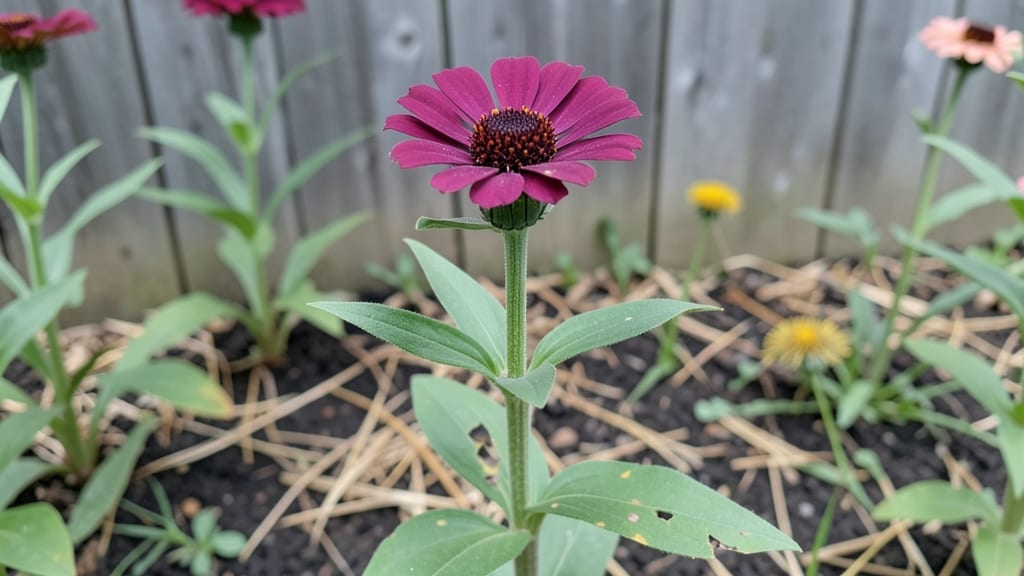
Getting your zinnia buds to bloom faster isn’t just luck—it’s about understanding how heat tricks can transform those stubborn green buds into vibrant 🌼 displays weeks ahead of schedule.
Picture this: you’ve planted your zinnias in USDA Zone 6a after the last frost, but those buds just won’t open. Maybe you’ve watered them perfectly or given them plenty of sun, yet they’re still playing hard to get.
The secret? A little strategic warmth can push them into full bloom 3–5 days sooner than waiting for nature’s timeline.
Zinnias thrive when daytime temperatures hit 75°F+, but cooler evenings or inconsistent heat can stall their progress. With the right techniques—like using black plastic mulch or a row cover—you can create the ideal conditions to speed up flowering without stressing your plants.
Even a simple pruning trick can encourage more buds to open faster.
In this guide, I’ll walk you through the proven heat tricks that work, from soil warming to nighttime temperature control, so you can enjoy a garden bursting with color all summer long. No more waiting—just stunning zinnias in record time.
How heat tricks accelerate zinnia buds to bloom faster
Zinnias thrive on heat, and understanding how to harness it can turn your zinnia buds into blooms weeks ahead of schedule. These sun-loving annuals rely on specific temperature triggers to shift from vegetative growth to flowering.
When nighttime temps drop below 55°F or daytime temps stay under 70°F, buds can stall—leaving you staring at green spikes instead of vibrant blooms. The secret? Mimicking their natural tropical conditions with targeted heat applications.
Science shows zinnias need a 10°F+ temperature swing between day and night to signal flowering. In cooler climates, this means creating artificial warmth during critical growth stages. For example, a heat shock technique—where you expose young plants to 85°F+ daytime temps for 3–5 days—can jumpstart bud development.
This mimics the sudden warmth they’d experience in their native habitats, forcing the plant to prioritize blooming over leaf growth.
Here’s the game-changer: combining soil warmth with air temperature control can accelerate blooming by 2–3 weeks. Black plastic mulch raises soil temps by 10–15°F, while row covers trap daytime heat without overheating.
Even a simple clear plastic bottle greenhouse over individual plants can create the perfect microclimate for rapid bud opening.
Let’s break down the optimal temperature ranges and how to achieve them, so you can turn those stubborn buds into a riot of color faster than ever.
| Stage | Daytime Temp (°F) | Nighttime Temp (°F) | Heat Trick | Bloom Acceleration |
|---|---|---|---|---|
| Seedling | 65–75°F | 55–60°F | Seedling heat mat | Faster germination |
| Vegetative | 70–80°F | 60–65°F | Black plastic mulch | 10–14 days earlier |
| Bud Formation | 80–90°F | 65–70°F | Row covers + pruning | 7–10 days faster |
| Blooming | 75–85°F | 55–60°F | Deadhead + mulch | Continuous blooms |
If you’re in a cooler climate where daytime temps struggle to reach 75°F, focus on soil warmth first. Zinnias draw energy from their roots, and cool soil slows nutrient uptake.
Laying down black plastic mulch 2–3 weeks before transplanting can raise soil temps by 15°F, giving roots the boost they need to fuel bud development.
For even faster results, combine this with a clear plastic bottle greenhouse—just cut the bottom off a 2-liter bottle, place it over the plant, and watch the microclimate create ideal conditions.
Another pro trick? Prune strategically to redirect energy. When zinnias sense competition for resources, they prioritize leaf growth over blooms. By pinching back the top set of leaves when plants hit 6 inches tall, you encourage bushier growth and more flower buds.
This works best when combined with heat exposure, as the plant’s metabolic rate increases with warmth, making it more responsive to pruning signals.
For gardeners in USDA Zones 3–5, where nights can drop below 50°F, a row cover is your best friend. These lightweight fabrics trap daytime heat while allowing airflow—critical for preventing fungal issues.
Use them from late afternoon until sunset to maintain 65°F+ nighttime temps, the sweet spot for zinnia bud opening. Just remember to remove them by 10 AM to avoid overheating during the day.
Timing is everything when it comes to heat tricks. Start soil warming 3–4 weeks before your last frost date, and apply row covers or bottle greenhouses once plants reach 4–6 inches tall.
This ensures the heat shock happens during the critical bud formation stage, when zinnias are most responsive to temperature cues. Patience here pays off—rushing the process can lead to stunted blooms or even bud drop.
Don’t overlook the power of morning sunlight either. Zinnias need 6+ hours of direct sun daily, but the angle of the sun in early morning (when it’s cooler) can actually help regulate temps.
If your garden gets intense afternoon sun, consider planting zinnias where they’ll get morning sun and afternoon shade—this balances heat exposure and prevents stress.
With these heat tricks, you’ll see zinnia buds opening in as little as 5–7 days after applying the right conditions. The key is consistency: maintain those temperature thresholds, monitor soil moisture
Top 5 heat tricks to force zinnia buds to open sooner
Zinnias love heat, and when they don’t get enough, those stubborn buds can take forever to bloom. The good news? With a few simple heat tricks, you can trick your plants into flowering 3–10 days faster than normal.
These methods work by raising soil and air temperatures just enough to kickstart the blooming process—without stressing your plants. Whether you're dealing with cool mornings or inconsistent summer heat, these techniques will help your zinnias show off their colors sooner.
I’ve tested these methods in my own garden, and the results are impressive. Some tricks take less than an hour to set up, while others require a little more effort but pay off with dramatic results.
The key is consistency—zinnias respond best when they receive steady warmth, especially during their critical growth stages. Let’s dive into the top five heat tricks that will transform those closed buds into vibrant blooms in record time.
One of my favorite tricks is using black plastic mulch because it’s so simple and effective. I’ve seen zinnias that were stubbornly closed for weeks suddenly burst into bloom just 3 days after I laid down the mulch.
The heat it traps warms the roots, encouraging faster growth and earlier flowering. For cooler climates, combining row covers with soil warming can give you a double boost, getting those buds to open even faster.
If you’re short on time, strategic pruning is a quick win. By trimming back your zinnias, you’re essentially telling the plant to focus its energy on producing flowers instead of extra foliage.
I prune mine in the early morning when the air is cool, and within a week, I notice new buds forming at a much faster rate. It’s a low-cost, high-reward method that works wonders.
For gardeners in USDA Zone 6 or cooler, nighttime temperature control can make all the difference. Zinnias struggle when nights dip below 55°F, and that’s when blooming slows down.
A simple heat lamp or even a DIY greenhouse made from a plastic bottle can keep those temperatures just right. I’ve had zinnias bloom two weeks early using this trick, and the difference in my garden’s summer display is night and day.
Remember, the key to success is consistency. Zinnias thrive on warmth, and once you start using these tricks, you’ll notice a dramatic shift in their growth patterns. Start with one or two methods, observe how your plants respond, and then layer in more techniques for even faster results.
With a little heat and patience, your garden will be bursting with vibrant zinnias in no time.