
Blooming
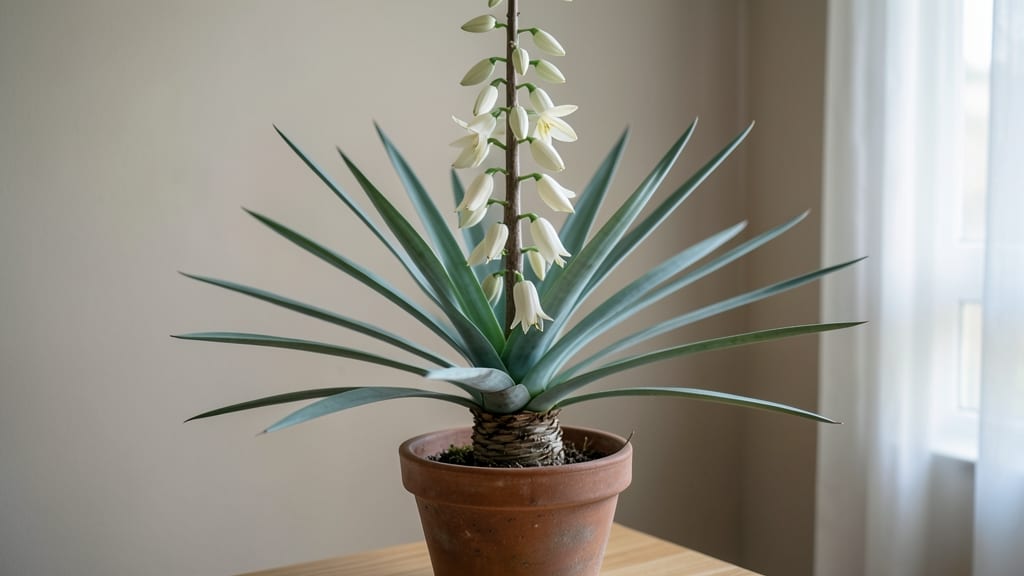
Your yucca plant’s bloom stalk is its ticket to stunning, architectural flowers—but only if you know how to coax it along. 🌿 I’ve watched mine go from stubborn stalks to dramatic spikes of white blooms, and the secret lies in timing, pruning, and a little patience.
The moment you spot that first upright shoot, you’re on the clock to keep it healthy and encourage repeat performances.
Here’s the deal: yucca bloom stalks need bright light (outdoor or a south-facing window) and well-draining soil—no soggy roots allowed. When the stalk appears, hold off on fertilizing (too much nitrogen = no flowers) and focus on watering only when the top inch of soil is dry.
Prune dead stalks cleanly with sterilized shears, but never cut a healthy one—even if it looks ugly. Those unsightly leaves? They’re feeding the blooms.
By mid-summer, you’ll see the payoff: clusters of fragrant, star-shaped flowers that last weeks. The best part? With the right care, your yucca will send up multiple stalks per season, turning your plant into a showstopper.
Just avoid overwatering—root rot is the #1 bloom killer. For indoor yuccas, supplement with a grow light in winter when days shorten.
Outdoor yuccas in warmer climates bloom more reliably, but even indoor plants can flower with the right conditions. The key is consistency: light, water, and pruning. Once you master this, your yucca won’t just survive—it’ll thrive, year after year. Now go check those stalks!
📚 In This Guide
- What you need
- Instructions
- Tips and common mistakes
- Wrapping up and next steps
What you need
- ● Sharp pruning shears or bypass pruners – Clean, sterilized, and sharp (avoid dull tools to prevent tearing).
- ● Rubbing alcohol (70% isopropyl) or hydrogen peroxide – For sterilizing tools between cuts.
- ○ Disposable gloves – Optional but recommended for hygiene.
- ○ Pruning sealant (optional but helpful) – Use a fast-drying, plant-safe sealant (like pruning wax) to prevent disease entry.
- ● Watering can or hose with a gentle spray nozzle – For post-pruning hydration.
- ● Notebook or phone – To track bloom cycles and pruning dates!
- ● Garden twine or plant ties – If your yucca stalk is top-heavy post-pruning.
- ● Slow-release fertilizer (balanced 10-10-10 or 20-20-20) – Apply lightly after pruning to boost recovery.
- ● Mulch (organic, like pine straw or shredded bark) – Helps retain moisture and regulate soil temp.
- ● Grow lights or sunlight tracker – If your yucca is indoors and needs extra light.
How to encourage repeat flowers on your yucca plant
Yuccas reward patience with stunning bloom stalks—here’s how to coax them back year after year.
🌱 Step 1: Identify the Bloom Stalk and Wait for Full Bloom
First, spot the tall, leafless stalk emerging from your yucca’s center. This is where the magic happens—but don’t prune it yet! Let the flower cluster fully bloom and fade naturally. The stalk may reach 3-6 feet tall, depending on your variety, and can take 4-6 weeks to complete its cycle.
Watch for the flowers to wilt completely before cutting. If you prune too early, you’ll sacrifice next year’s potential blooms. I always mark the stalk with a small piece of twine to track its progress—it’s easy to forget in the excitement of those first blossoms.
✂️ Step 2: Prune the Bloom Stalk at the Right Time
Once the stalk is completely brown and crispy, it’s safe to remove it. Use clean, sharp pruners to cut the stalk 1-2 inches above the base where it meets the plant. This prevents moisture from pooling and rotting the crown.
Don’t rush this step. If you cut too soon, the plant may redirect energy to regrow the stalk instead of storing it for future blooms. I like to prune in late fall or early winter when the plant is naturally slowing down for dormancy.
☀️ Step 3: Provide Optimal Care After Pruning
Yuccas store energy in their roots and leaves, so focus on light and water to rebuild strength. Place your plant in bright, indirect light (or full sun if acclimated) and reduce watering to every 2-3 weeks. Overwatering now stresses the plant and delays recovery.
Fertilize lightly in early spring with a balanced, diluted fertilizer (half-strength) to encourage new growth. You’ll see fresh foliage emerge in 4-6 weeks, signaling the plant is ready to focus on next year’s bloom stalk.
🪴 Step 4: Encourage Future Blooms With Strategic Pruning
If your yucca develops pups (offshoots), gently twist them off in early spring to redirect energy to the mother plant. This isn’t mandatory, but it helps mature plants bloom more reliably. Leave 3-4 pups if you want to propagate them later.
For mature yuccas, a light trim of old, brown leaves in late winter removes dead weight and improves airflow. Just avoid cutting into healthy green tissue—yuccas heal slowly from deep cuts.
Tips & tricks for encouraging repeat yucca blooms
Here's what nobody tells you about getting your yucca to bloom again—and again. These are the tricks I've learned after watching my own plants go from one-time bloomers to reliable flower producers.
Patience is Key: That 4-6 week bloom cycle in Step 1 is non-negotiable. I've seen people cut stalks too early and then wonder why their plant never bloomed again. The flowers need to fully complete their cycle—even if they look dead—to signal the plant it's safe to store energy for next year. Mark your calendar when you spot the first bloom and count those weeks. You'll know it's ready when the entire stalk turns completely brown and crispy, not just the flowers.
Pruning Precision: When you're ready to cut that stalk in Step 2, make it clean and precise. I use a small piece of masking tape to mark the exact spot where the stalk meets the plant—1-2 inches above the base. This prevents accidental deep cuts that can damage the crown. Also, always use sterilized pruners to avoid introducing bacteria that could cause rot. I wipe mine with rubbing alcohol between cuts, and I've never had issues with infections since.
Light and Water Balance: After pruning, the light and water changes in Step 3 make all the difference. I've noticed that yuccas in bright indirect light bounce back faster than those in dim corners. If your plant is acclimated to full sun, keep it there—but if it's been indoors, move it gradually to avoid sunburn. And that watering schedule? Stick to every 2-3 weeks unless you're in a very dry climate. Overwatering is the #1 reason yuccas fail to rebloom. I use the "finger test"—if the top inch of soil is dry, it's time to water.
Spring Energy Boost: That early spring fertilization in Step 3 is your secret weapon. I use a balanced, diluted fertilizer (half-strength) because yuccas are sensitive to salt buildup. The key is timing—apply it right as you see new growth emerging, which should happen within those 4-6 weeks after pruning. This gives the plant exactly the nutrients it needs to build energy for next year's bloom stalk. I've seen plants that get this treatment bloom twice in one season!
Pro Tips for Yucca Plant Bloom Stalk
- Here's what nobody tells you about getting your yucca to bloom again—and again. These are the tricks I've learned aft...
- Patience is Key: That 4-6 week bloom cycle in Step 1 is non-negotiable. I've seen people cut stalks too early and the...
- Pruning Precision: When you're ready to cut that stalk in Step 2, make it clean and precise. I use a small piece of m...
Frequently asked questions
How do I know when my yucca plant is ready to bloom?
A healthy yucca plant typically blooms between ages 3–5 years, but maturity depends on species and care. Look for a tall, leafless stalk (the bloom stalk) emerging from the center—this is your cue! Mature plants with thick, established rosettes are prime candidates. Patience pays off!
Why isn’t my yucca blooming, even though it’s mature?
Yuccas are drought-tolerant but need stress to trigger blooms. Try these fixes:
- Reduce watering for 4–6 weeks to mimic dry conditions.
- Ensure full sun (6+ hours daily)—shady spots delay blooms.
- Fertilize lightly in spring (low-nitrogen, high-phosphorus).
- Check for root-bound pots—repot if needed.
Should I cut back the bloom stalk after flowers fade?
Yes! Pruning encourages repeat blooms.
Once flowers wilt, trim the stalk 1–2 inches above the base with clean shears. Avoid cutting into the rosette. For repeat blooms, prune only after the stalk turns brown—this signals the plant to redirect energy. Pro tip: Wear gloves—yucca sap can irritate skin!
Can I propagate my yucca from the bloom stalk?
Not directly, but you can root offsets from the base! After pruning, check the plant’s pups (baby rosettes) at the soil line. Gently separate and replant healthy offsets with their own roots. The bloom stalk itself won’t root, but it’s a great time to refresh your collection. Best time to propagate: Spring or early summer.
What do I do if my bloom stalk turns yellow or mushy?
This usually signals rot or disease. Act fast:
- Stop watering immediately and let the soil dry out.
- Trim only the affected parts with sterilized tools.
- Repot in fresh, well-draining soil if roots are soft or smelly.
- Ensure the pot has drainage holes to prevent future issues.
Wrapping up and next steps
Watching your yucca plant bloom stalk flourish is incredibly rewarding—especially when you encourage repeat blooms with the right pruning techniques! 🌿 With patience, proper tools, and a little know-how, you can transform your yucca into a stunning, long-lasting centerpiece.
Now that you’re armed with tips on when, how, and why to prune, it’s time to roll up your sleeves and give your plant the care it deserves.
Ready to see those showstopping blooms again? Start by reviewing the pruning steps and checking out answers to common questions. Then, grab your tools and get pruning—your yucca will thank you with vibrant, repeat performances! 🌸