
Succulent
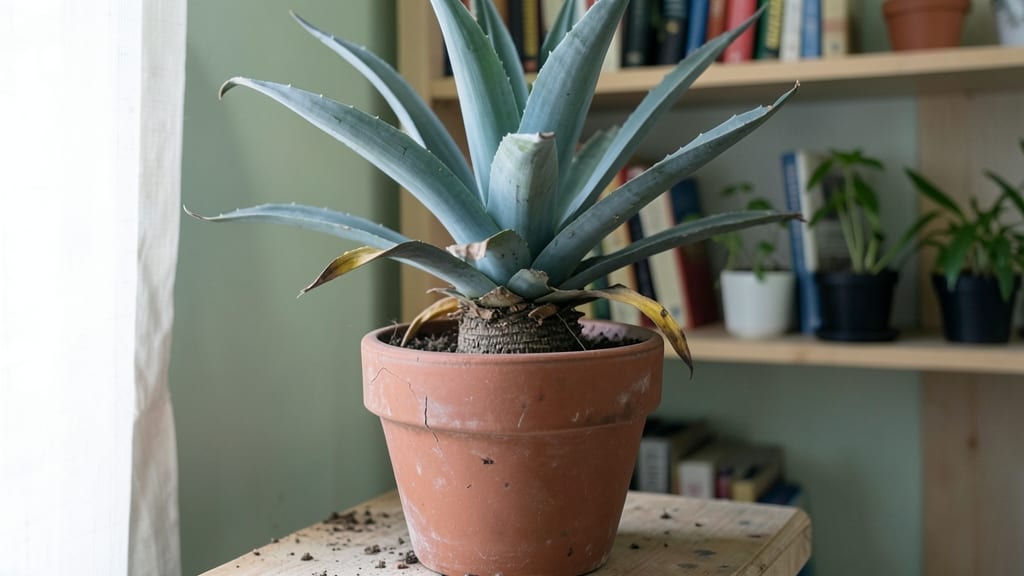
That dramatic yucca death bloom might look like a farewell—but it’s actually your plant’s most exciting survival trick.
This is the yucca death bloom, a natural (if alarming) survival strategy where the plant redirects energy to reproduce, often leaving it looking like it’s giving up. The good news? With the right care, your yucca will bounce back stronger than ever.
Most gardeners panic when they see this, assuming their plant is dying. But understanding the why behind it—like seasonal stress or nutrient shifts—is the first step to keeping your yucca thriving. Below, I’ll walk you through what to look for and how to nurse it back to health.
You’ll learn how to recognize the signs, adjust your care routine, and even prevent future stress so your yucca can focus on growth instead of survival mode.
What is a yucca death bloom & why does it happen?
The yucca death bloom is a dramatic, natural process where your yucca plant suddenly drops most of its leaves, sends up a tall flower spike, and appears to be dying—only to recover weeks later.
This isn’t a disease but a survival strategy triggered by specific conditions. Understanding it helps you avoid panic and support your plant’s recovery.
Yuccas are perennial plants native to arid regions, and their death bloom cycle is a way to conserve energy.
When conditions are right—like mature age (3-5+ years), full sun exposure, and well-draining soil—the plant redirects resources to produce a single, dramatic flower that can grow 6-10 feet tall.
This cycle typically occurs in spring or early summer when daylight hours increase and temperatures rise. The flower spike can smell rotten or foul to attract night-flying moths, which are its primary pollinators. While this may seem alarming, it’s a sign of a healthy, mature plant.
The leaf drop is the plant’s way to redirect energy to the flower. Without leaves, the yucca conserves water and nutrients in its thick, fibrous roots, ensuring the flower gets the resources it needs to grow and reproduce.
This process is especially common in yucca filamentosa and yucca gloriosa varieties.
One key trigger is maturity. Most yuccas won’t produce a death bloom until they’re 3-5 years old and have established a strong root system. Stress factors like overwatering, poor drainage, or inadequate sunlight can delay or prevent this cycle, so maintaining optimal growing conditions is crucial.
After the flower wilts and dies, the yucca may look bare and lifeless for weeks. However, its underground roots remain active, storing energy to regrow leaves. In 3-6 months, you’ll often see new shoots emerging from the base, signaling the plant’s recovery phase.
It’s important to note that not all yuccas experience a death bloom. Some varieties, like yucca elephantipes, may produce flowers without dropping leaves, while others, like yucca brevifolia, rarely bloom at all.
The cycle is more common in warm climates (USDA Zones 7-11) where conditions mimic their native desert habitats.
If your yucca is in a cooler climate (Zones 6 or below), the death bloom may be less frequent or absent due to shorter growing seasons. In these areas, yuccas often focus on survival over reproduction, prioritizing foliage growth over flowering.
Finally, the death bloom isn’t a one-time event. Once your yucca has gone through this cycle, it may repeat every 2-5 years, depending on its health and environmental conditions. Each cycle strengthens the plant’s root system, making future blooms even more dramatic.
Step-by-step guide to reviving a yucca after death bloom
After your yucca produces its dramatic death bloom, it may look like the plant has given up—but don’t panic. This is a natural survival strategy, and with the right care, your yucca can bounce back stronger.
The key is to focus on pruning, water adjustments, and light optimization without overstressing the plant.
Yuccas often shed leaves after flowering as a way to conserve energy. However, if you act quickly, you can help your plant recover. Start by assessing the damage and then follow a structured approach to revive it.
The goal is to mimic its natural arid environment while giving it time to regenerate.
Revive Your Yucca in 5 Steps
- 🌿 Prune dead foliage: Use sterilized pruners to remove any brown or mushy leaves. Cut back to healthy green growth—this reduces water loss and directs energy to recovery.
- 💧 Adjust watering: Yuccas need less water after blooming. Water only when the top 2-3 inches of soil are completely dry. Overwatering is the #1 killer during recovery.
- ☀️ Optimize sunlight: Place your yucca in full sun (6+ hours). If indoors, move it to the brightest window. Avoid sudden light changes, which can shock the plant.
- 🌱 Fertilize lightly: Wait 4-6 weeks after pruning before applying a low-nitrogen fertilizer (5-10-10). Use half the recommended dose to avoid burning roots.
- ✂️ Monitor for new growth: In 4-8 weeks, you should see new shoots emerging from the base. If no growth appears after 3 months, check for root rot or pests.
While recovering, avoid the temptation to over-fertilize or overwater. Yuccas thrive on neglect, and too much attention can actually harm them. Instead, focus on creating an environment that mimics their natural dry, sunny habitats.
If your yucca is potted, ensure the container has drainage holes. Stagnant water leads to root rot, which can be fatal. Repot only if the plant is root-bound, using a fast-draining cactus mix combined with perlite or pumice.
With patience and the right care, your yucca will likely recover fully, often producing even more robust foliage. The death bloom is just a temporary setback—not a death sentence. Keep an eye on it, and soon you’ll see signs of life again!