
Blooming
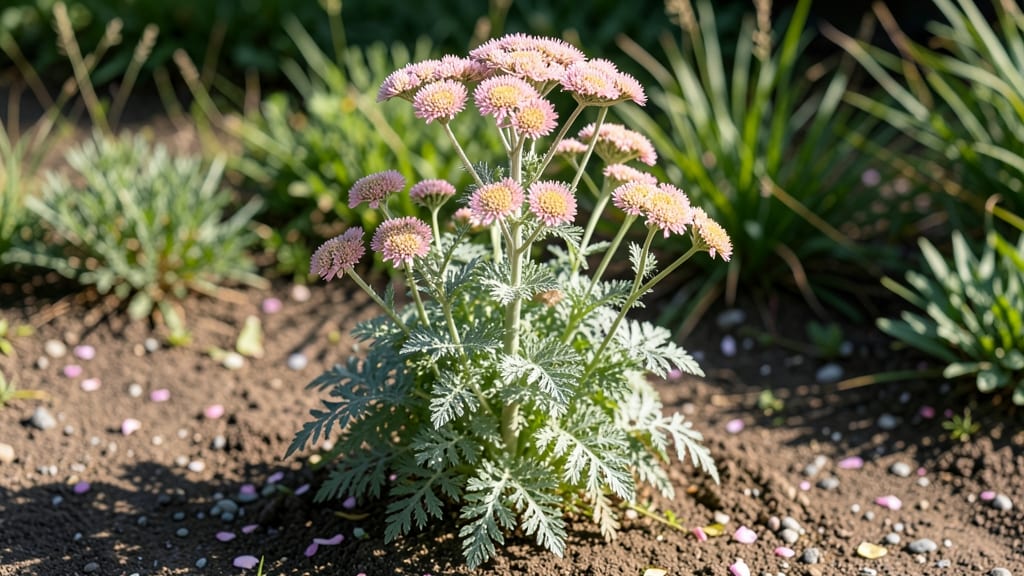
Yarrow blooms from early summer through fall in most regions 🌼, but the exact timing depends on your variety, climate, and a few key care tricks.
Picture this: your garden bursting with flat-topped clusters of white, pink, or yellow yarrow—only for them to vanish by August. That’s not laziness; it’s often a matter of when and how you prune or feed.
Some varieties, like ‘Moonshine,’ keep blooming all season with the right touch, while others need a little coaxing.
Whether you’re growing yarrow for pollinators or cutting flowers, understanding its bloom cycle is the key to a longer, bolder display. Below, I’ll break down the best months for each type, how to trigger reblooms, and the common mistakes that cut flowering short.
Ready to turn your yarrow into a year-round star? Let’s dive into the secrets behind its timing—and how to make it last.
Yarrow bloom time by variety: seasonal expectations & peak flowering months
Yarrow (Achillea millefolium) is a pollinator magnet with long bloom seasons, but timing varies dramatically by variety and climate. First-year plants often bloom 4–6 weeks later than mature specimens, while USDA zones 3–5 see earlier starts than zones 8–10.
Let’s break down when to expect those flat-topped clusters for 10 standout cultivars, plus pro tips to shift bloom windows in your region.
Most yarrow varieties are hardy perennials, but a few act as short-lived perennials or self-seeding annuals. This means first-year blooms may be sparse, while established plants reward you with continuous reblooms if you follow the right care routine.
For example, ‘Autumn Red’ thrives in cool climates but can bolt prematurely in hot, humid zones like Florida.
🌼
| Variety | Peak Bloom Months (USDA 5) | Peak Bloom Months (USDA 8) | First-Year Bloom? | Rebloom Potential |
|---|---|---|---|---|
| ‘Moonshine’ | June–August | May–July | Yes (light) | High (deadhead) |
| ‘Autumn Red’ | July–September | June–August | No (focus on roots) | Moderate (late season) |
| ‘Cerise Queen’ | June–September | May–July | Yes (moderate) | Very High |
| ‘White Feather’ | June–August | May–June | No (root-bound) | Low (single flush) |
| ‘Coronation Gold’ | July–September | June–August | Yes (light) | High (heat-tolerant) |
| ‘Red Beauty’ | August–October | July–September | No (root focus) | Moderate (late rebloom) |
| ‘Paprika’ | June–August | May–July | Yes (moderate) | Very High (compact) |
| ‘The Pearl’ | July–September |
How to trigger reblooms: pruning, deadheading & soil hacks for longer yarrow bloomsYarrow’s vibrant blooms often fade after their first flush—but with the right techniques, you can coax longer flowering seasons from your plants. The key lies in strategic pruning, deadheading, and soil optimization. Unlike many perennials, yarrow responds beautifully to light pruning and nutrient adjustments, especially when you time interventions correctly. Let’s unlock the secrets to reblooming yarrow like a pro. Most yarrow varieties—like ‘Moonshine’ or ‘Autumn Red’—naturally produce one main bloom cycle in late spring or early summer. However, with proper care, you can extend their show well into fall. The trick? Encourage new growth while preventing the plant from redirecting energy into seed production. Start by deadheading spent blooms and pruning strategically to avoid over-stressing the plant. 🌼 Yarrow Rebloom Timeline & Key Actions
💡 Pro Tip: Varieties like ‘White Feather’ often bloom just once—prioritize deadheading to prevent self-seeding and extend display. Deadheading is your first line of defense against early bloom fade. As soon as spent flower heads turn brown, snip them off just above a set of leaves using clean, sharp pruning shears. This removes seed heads before they form, signaling the plant to produce new blooms instead. For reblooming varieties like ‘Coronation Gold’, deadhead weekly during peak bloom season to maximize flower production. Soil health is equally critical. Yarrow thrives in well-draining, slightly alkaline soil with moderate fertility. To boost phosphorus—the nutrient responsible for flower power—mix in bone meal or a balanced 10-10-10 fertilizer in early summer. Avoid over-fertilizing with nitrogen, which promotes leafy growth at the expense of blooms. Instead, focus on root-feeding with compost tea or worm castings for steady nutrition. Pruning timing makes all the difference. Never cut back yarrow in fall or winter, as this removes insulation for roots. Instead, wait until early spring to trim dead or damaged stems down to healthy growth. For reblooming varieties, give them a light haircut in late summer—cutting 1/3 of the tallest stems encourages compact, bushier growth and new flower buds. Mulching is another game-changer for extending bloom time. Apply a 2-inch layer of mulch (like straw or shredded leaves) around the base of plants in early summer. This retains moisture, regulates soil temperature, and suppresses weeds—all of which stress-free yarrow to focus on flowering. Just be sure to keep mulch away from stems to prevent rot. With these rebloom hacks, your yarrow can flower from June to October—or even later in mild climates. The key is consistency: deadhead regularly, fertilize lightly, and prune strategically. Soon, your garden will be a pollinator paradise with yarrow in full, extended bloom! 🌼 |