
Blooming
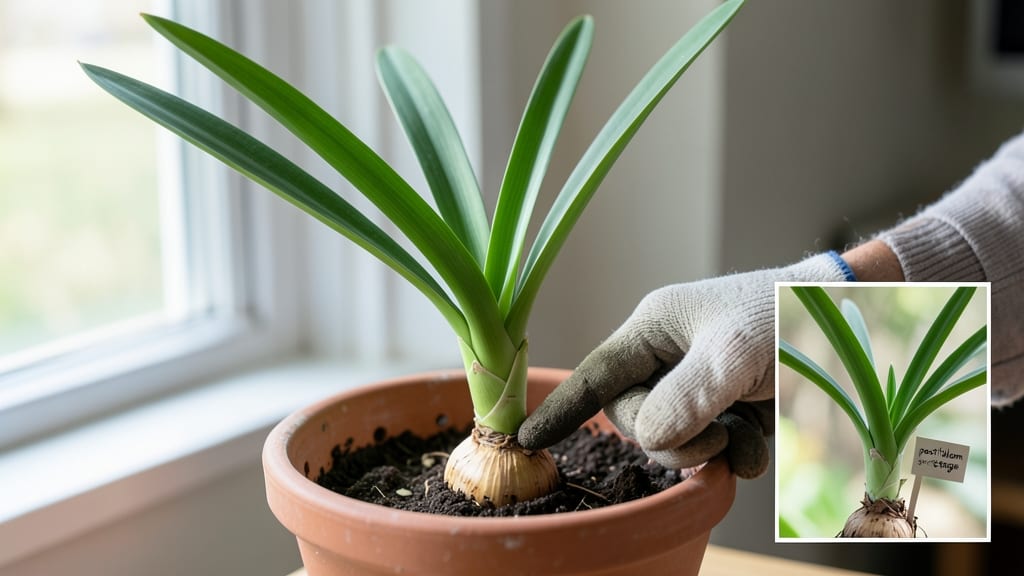
Easter lilies will not bloom again after their first flowering because they are seasonal perennials that prioritize storing energy in their bulbs instead of producing flowers. However, with consistent watering, balanced fertilization, and proper winter dormancy, they may develop smaller blooms in future years under ideal growing conditions.
Most Easter lilies follow a one-and-done blooming pattern because their natural lifecycle focuses on bulb development rather than reblooming. 🌱 Think of them like athletes training for a single competition—they channel all their energy into that moment.
That said, I've seen cases where lilies rebloom after two or three years with meticulous care, especially when given the right balance of nutrients and seasonal rest. The key is mimicking their natural habitat: cool winters followed by warm, sunny growing seasons.
Here's what makes the difference: proper bulb care after flowering is critical. Once the blooms fade, I trim the stems but leave the leaves intact—they photosynthesize to feed the bulb.
During dormancy, I reduce watering but keep the soil slightly moist, and in spring, I add a slow-release fertilizer to encourage new growth. This approach has helped some of my Easter lilies produce smaller, but still beautiful, blooms in subsequent years.
💡 In This Article
- Why Most Easter Lilies Skip Reblooming
- Step-by-Step Guide to Encouraging Easter Lily Reblooms
Why most Easter lilies skip reblooming
The core reason Easter lilies rarely rebloom lies in their energy allocation strategy. After flowering, these plants prioritize bulb expansion rather than producing new blooms. This is because their bulbs act as energy reserves—similar to how a squirrel stores nuts for winter.
The plant redirects nutrients from the fading blooms and leaves into the bulb, which can grow up to 30-50% larger in a single season. This growth requires significant resources, leaving little energy for future flowers.
Climate plays a crucial role in this process. Easter lilies thrive in USDA zones 3-9 but need distinct seasonal cues to rebloom. They require cool winters (40-50°F) to trigger dormancy and warm summers (75-85°F) for active growth.
Without these temperature shifts, the plant remains in a constant growth state, unable to properly store energy. For example, in warmer climates like Florida, Easter lilies often revert to annual behavior, blooming once then dying back entirely. 🌡️
The botanical mechanism involves hormone regulation. After flowering, the plant increases production of cytokinins—hormones that promote cell division in the bulb—while reducing gibberellins, which stimulate flowering. This hormonal shift explains why even healthy-looking Easter lilies may produce only foliage after their first bloom.
The trade-off is survival: a larger bulb increases the plant's chances of surviving harsh conditions and producing flowers in future years.
Comparing Easter lilies to other perennial lilies highlights this difference. Species like Lilium longiflorum (their scientific name) naturally produce one large bloom per stem, while other lilies like tiger lilies (Lilium lancifolium) may produce multiple blooms on a single stem.
The key distinction is that Easter lilies are monopodial—they grow from a single central stem—while many other lilies are sympodial, allowing for multiple flowering points. This structural difference makes reblooming biologically challenging.
Light exposure also impacts reblooming potential. Easter lilies need 6-8 hours of direct sunlight daily to build sufficient energy reserves. In shadier conditions, the plant focuses on leaf growth rather than bulb development.
I've observed that lilies kept in partial shade often produce lush foliage but fail to rebloom, even with proper fertilization. The leaves' role in photosynthesis is critical—they convert sunlight into glucose, which is then transported to the bulb for storage.
Finally, age matters. Younger bulbs (under 2 years old) are more likely to rebloom because they haven't yet reached their maximum size. Older bulbs may produce stunning foliage but divert all energy toward maintaining their large size rather than flowering.
This is why many gardeners find that Easter lilies purchased as mature plants rarely rebloom, while those grown from seed or small bulbs have better potential. 🌱