
Blooming
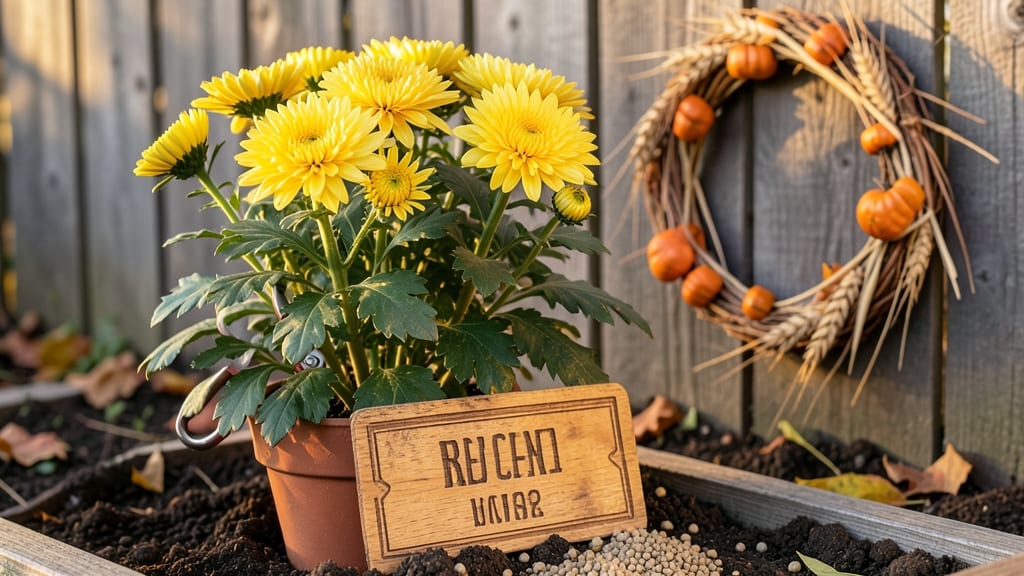
Chrysanthemums will bloom twice in a single season only if they are reblooming varieties, which require proper pruning, sunlight, and seasonal care. Standard types typically flower once annually in fall or early winter.
Not all chrysanthemums have the genetic ability to produce two flushes of blooms—only reblooming cultivars can achieve this. 🌸 These specialized plants rely on careful management of light exposure and nutrient levels to trigger a second flowering cycle after their initial fall bloom.
The key lies in their response to daylength sensitivity, where proper pruning and fertilization can extend their growing season.
For gardeners, this means selecting the right variety upfront—standard chrysanthemums like 'Mammoth' or 'Yellow Doll' will only bloom once, while rebloomers such as 'Bonanza' or 'Dynasity' can produce stunning second displays with the right care. The trade-off? Rebloomers often have slightly shorter individual blooms compared to their single-flowering cousins.
💡 In This Article
- Reblooming vs. Non-Reblooming Chrysanthemum Types
- How to Encourage Second Chrysanthemum Blooms
Reblooming vs. non-reblooming chrysanthemum types
The fundamental difference between reblooming and single-bloom chrysanthemums lies in their genetic response to daylight. Rebloomers are short-day plants that have been selectively bred to flower multiple times when exposed to 12-14 hours of daylight—a trait triggered by specific photoperiod genes.
Standard varieties, however, follow a strict one-bloom cycle tied to autumn's decreasing daylight, typically around 10-12 hours of light per day.
Botanically, reblooming types exhibit apical dominance suppression—a growth mechanism where lateral buds remain dormant until stimulated by pruning or hormonal changes. This allows them to produce secondary shoots after their initial bloom.
For example, the 'Bonanza' series can develop 3-5 flower stems per plant when properly managed, while single-bloomers like 'Yellow Doll' focus all energy on one main stem with 20-30 blooms per cycle. The trade-off? Rebloomers often have smaller individual flowers (1-2 inches) compared to single-bloomers (3-5 inches).
Daylight hours act as the primary trigger. When autumn arrives and daylight drops below 12 hours, single-bloomers immediately begin flowering. Rebloomers, however, can be "tricked" into delaying this response through strategic pruning—removing spent blooms forces the plant to redirect energy toward new growth rather than seed production.
This process mimics spring conditions and extends the blooming window into late fall or even winter with proper care.
The science behind this involves phytochrome pigments in plant leaves that detect light duration. When daylight shortens, these pigments signal the plant to produce florigen proteins that trigger flowering.
Rebloomers have been genetically modified to produce florigen multiple times when stimulated by pruning, while single-bloomers produce it only once per season. Think of it like a light switch that can be reset in rebloomers but not in standard types.
Here's what this means for gardeners: Reblooming varieties like 'Dynasity' or 'Bright Golden Anne' require regular deadheading (removing spent blooms) every 2-3 weeks to maintain their second flowering cycle. Without this intervention, even rebloomers will default to a single bloom pattern.
The key difference isn't just in the number of blooms, but in the plant's metabolic flexibility—rebloomers can "reset" their flowering cycle, while standard types cannot.
Consider the visual impact: A well-maintained reblooming chrysanthemum can produce continuous color from early September through November, while single-bloomers create a dramatic but brief 3-4 week display. This makes rebloomers ideal for extended seasonal interest in gardens, while single-bloomers excel in autumnal focal points.
The choice depends on whether you prioritize quantity over quality or impact over duration. 🌿