
Blooming
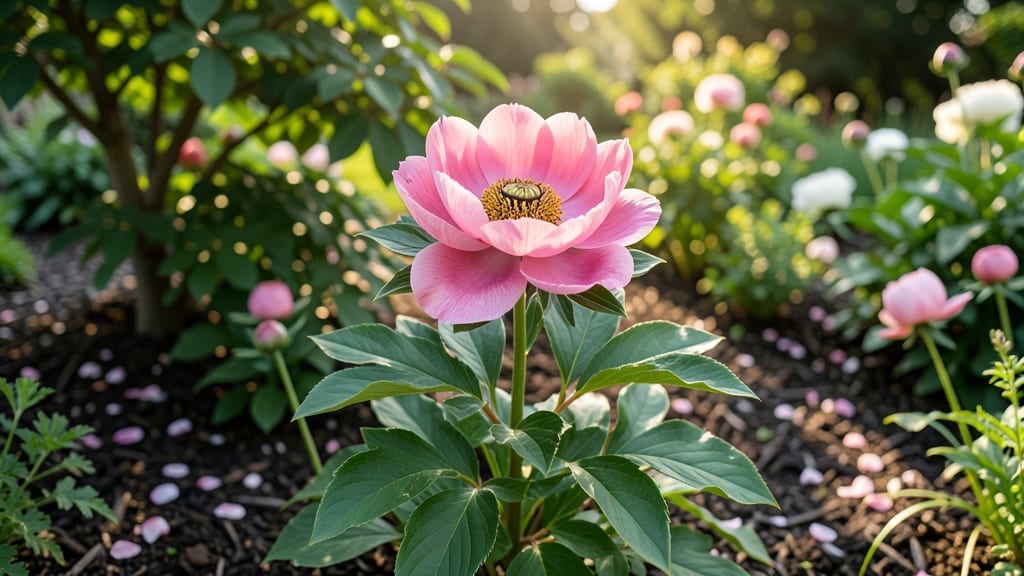
Growing single bloom peonies means year-round fragrance with almost no pruning work. 🌸 I planted mine last spring and now they fill my garden with sweet perfume from late spring through summer—no fuss, just beauty.
The secret lies in the right soil, a sunny spot, and knowing exactly when to prune (or not prune at all). These peonies thrive in well-draining soil with a pH between 6.5 and 7.5, and they love full sun—at least 6 hours daily.
Water them deeply once a week after establishment, but avoid soggy roots. The first year is all about getting them settled; after that, they reward you with bold, fragrant blooms that last for weeks.
The pruning is where it gets magical: you only need to trim back dead foliage in late fall, and that’s it. No shearing, no shaping—just let them grow naturally. Even their foliage stays lush and healthy, providing winter interest.
My neighbors keep asking how I keep my garden looking so effortless. Perfect for cottage gardens, cutting gardens, or even container plantings in small spaces. Once established, they multiply over time, giving you more fragrance with each passing year. Let’s get yours planted!
📚 In This Guide
- What you need
- Instructions
- Tips and common mistakes
- Wrapping up and next steps
What you need
- ● Single bloom peony plants: Choose Paeonia lactiflora or Paeonia suffruticosa varieties (1-3 plants per garden bed for optimal airflow).
- ● Well-draining soil: Mix 50% garden soil + 30% compost + 20% coarse sand or perlite (1 cubic yard per 10 sq. ft. planting area).
- ● Sunlight: A full-sun location (6+ hours/day) with afternoon shade in hot climates.
- ● Watering can or hose: With a gentle spray nozzle (avoid overhead watering to prevent disease).
- ● Pruning shears: Bypass pruners (sharp, clean, and sterilized) for minimal trimming.
- ● Mulch: 2-3 inches of organic mulch (straw or shredded bark) to retain moisture and regulate soil temp.
- ● Peony supports: Lightweight stakes or cages (for varieties that may flop).
- ● Slow-release fertilizer: 10-10-10 or peony-specific formula (apply in early spring).
- ● Disease prevention: Copper fungicide (for humid climates) or neem oil spray.
- ● Garden journal: To track blooming cycles and soil adjustments!
Step-by-step instructions for planting and caring for single bloom peonies
Peonies thrive with simple care—here’s how to plant and nurture them for decades of fragrant blooms.
🪴 Step 1: Choose the Perfect Planting Location
Peonies need 6-8 hours of full sun daily, but they’ll tolerate 4 hours of morning sun if afternoon shade is unavoidable. I always pick the sunniest spot in my garden because peonies reward consistent light with bigger, more fragrant blooms. Avoid low-lying areas where cold air settles—they hate soggy roots.
Test your soil’s drainage by digging a 12-inch hole and filling it with water. If it drains in less than an hour, the spot’s ideal. If water pools after 2 hours, amend the soil with 3-4 inches of compost to improve drainage. Peonies despise wet feet, so raised beds or mounds work beautifully if your soil is naturally dense.
🌱 Step 2: Plant Bare-Root Peonies at the Right Depth
Plant your peony in early fall (4-6 weeks before the first frost) or early spring (2-3 weeks before last frost). Dig a hole 12-18 inches wide and deep—wide enough to spread roots without crowding. The “eyes” (buds) should sit 1-2 inches below soil level. Planting too deep delays blooming; too shallow risks frost damage.
Gently spread the roots in all directions, ensuring they’re not twisted or folded. Backfill with native soil (no amendments yet) and water deeply to settle it. I always mound soil slightly around the base to prevent water pooling. After planting, mulch with 2-3 inches of organic mulch to protect roots in winter and retain moisture in summer.
☀️ Step 3: Water and Fertilize for Strong Growth
Water newly planted peonies deeply once a week for the first month, then taper to every 10-14 days once established. You’ll know they’re getting enough water when the soil feels 2-3 inches dry at the surface. Overwatering causes root rot, so always check before watering—peonies are drought-tolerant once established.
Fertilize lightly in early spring with a balanced 10-10-10 fertilizer (1 tablespoon per plant). Avoid high-nitrogen fertilizers—they promote leafy growth at the expense of blooms. I skip fertilizer after the first year unless the foliage looks pale, which signals a nutrient deficiency. Peonies are slow growers and don’t need much—just good soil and patience.
✂️ Step 4: Prune Minimally for Health and Blooms
Peonies need almost no pruning—just remove spent blooms by cutting the stem ½ inch above the first set of leaves (the “bud eye”). This redirects energy to next year’s flowers. Never cut back foliage until it yellows naturally in late fall. The leaves feed the roots, and removing them too soon weakens the plant.
If you notice leggy stems or overcrowded growth, thin out the oldest stems in early spring to improve airflow. I always prune with clean, sharp shears to avoid tearing stems. Disinfect blades with rubbing alcohol between cuts to prevent disease spread. Real talk: Peonies bloom best with minimal interference—less pruning means more fragrant flowers.
⏰ Step 5: Protect and Prepare for Winter
Mulch heavily in late fall (after the first frost) with 4-6 inches of straw or shredded leaves to insulate roots. Peonies are hardy to Zone 3, but young plants benefit from extra protection. Remove mulch in early spring once the ground thaws to prevent rot.
Watch for peony wilt disease (a fungal issue causing brown stems). If you spot it, remove affected stems immediately and avoid overhead watering. Healthy peonies have deep green, glossy foliage and sturdy stems—if yours look weak, they may need more sun or better drainage. With proper care, a single bloom peony will reward you with centuries of fragrance.
Tips & tricks for perfect single bloom peony care
Here's what nobody tells you about growing these fragrant giants—tricks that'll keep your peonies blooming beautifully for decades.
Sunlight Strategy: While peonies tolerate 4 hours of morning sun, I've found that even 5 hours of afternoon sun can stress them in hot climates. If your garden gets intense afternoon heat, opt for the sunniest morning spot possible. The key is consistent light—they'll reward you with bigger blooms when they get their full 6-8 hours of sun daily.
Planting Depth Secret: The 1-2 inch depth for those "eyes" (buds) is critical, but here's what I learned the hard way: if your soil is sandy, plant slightly deeper (closer to 2 inches) to prevent the roots from drying out. In clay soil, go shallower (around 1 inch) to avoid waterlogging. Always check after backfilling—press the soil gently and you should see the buds just below the surface.
Watering Wisdom: That 2-3 inch dry soil test is your best friend. I use a simple screwdriver to check moisture—if it slides in easily, it's time to water. Pro tip: water at the base rather than overhead to prevent fungal diseases. And here's a trick I picked up: water in the morning so the foliage has all day to dry out, reducing the risk of peony wilt disease.
Winter Protection Hack: For that 4-6 inch mulch layer in late fall, I've had great success with a mix of straw and shredded leaves. The straw provides excellent insulation while the leaves break down slowly to feed the soil. If you're in Zone 4 or colder, consider adding a layer of burlap over the mulch for extra protection during extreme cold snaps. Remove it in early spring once the ground thaws.
Pro Tips for Single Bloom Peony
- Here's what nobody tells you about growing these fragrant giants—tricks that'll keep your peonies blooming beautifully for decades.
- Sunlight Strategy: While peonies tolerate 4 hours of morning sun, I've found that even 5 hours of afternoon sun can stress them in hot climates.
- In clay soil, go shallower (around 1 inch) to avoid waterlogging.
Frequently asked questions
Got questions about growing single-bloom peonies?
You’re not alone! Here are answers to the most common queries to help you cultivate these stunning, low-maintenance flowers with confidence.
How long does it take for a single-bloom peony to establish and flower?
A newly planted single-bloom peony may take 2–3 years to establish and produce its first showy bloom. Patience is key—focus on providing well-draining soil, consistent moisture, and full sun. Once established, they’ll reward you with decades of blooms with minimal effort!
When is the best time to plant single-bloom peonies?
Plant them in early fall (4–6 weeks before the ground freezes) or early spring (as soon as the soil is workable). Fall planting gives roots time to establish before winter, while spring planting avoids dormancy stress. Avoid planting in extreme heat or frozen ground.
Do single-bloom peonies need staking, and if so, when?
Yes! Their heavy blooms (especially in windy areas) often need support. Install stakes or a peony ring at planting time or early spring before growth begins. Gently tie stems with soft fabric or plant ties—never wire, which can damage the plant.
Can I grow single-bloom peonies in containers?
Choose a large container (at least 12–18 inches deep) with drainage holes and use a well-draining potting mix. They’ll need more frequent watering than in-ground plants and may bloom slightly later. Move containers to a sheltered spot in winter if temperatures drop below 20°F (-7°C).
Why aren’t my single-bloom peonies flowering, even after years of growth?
Common culprits include:
- Too much shade: Peonies need 6+ hours of sun daily.
- Over-fertilizing: Too many nutrients = leafy growth, fewer blooms.
- Planting too deep: Eyes (buds) should be 2 inches below soil.
- Stress from division: Avoid dividing mature plants unless necessary.
Wrapping up and next steps
Growing single bloom peonies is a rewarding journey that brings year-round beauty with minimal effort—just a little patience and the right care! Their lush fragrance and stunning blooms make them a standout addition to any garden, and with proper pruning and placement, they’ll thrive for decades. 🌸
Ready to transform your garden? Start by selecting the perfect spot, nurturing your peony with love, and soon, you’ll be rewarded with show-stopping blooms that turn heads. Happy gardening!