
Blooming
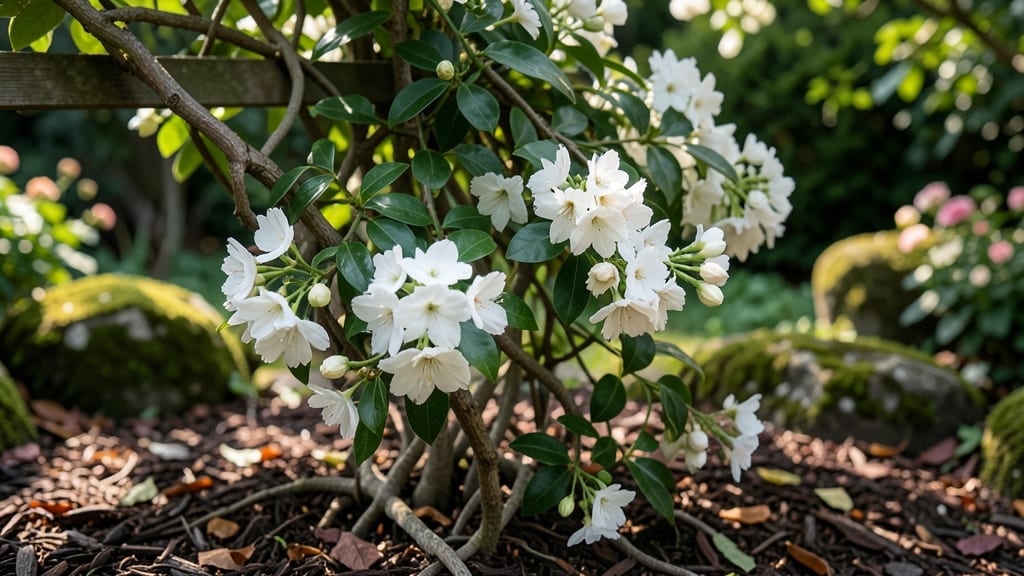
Jasmine blooms in Florida between late spring and early autumn, typically from May through September, though exact timing varies by variety—like Arabian jasmine (June–July) and star jasmine (April–May). Warmer coastal regions bloom earlier than inland areas.
Florida's warm climate creates a long jasmine season, but the exact months depend on the variety and your specific location. 🌸 Coastal areas like Miami often see blooms as early as March for hardy types, while inland regions in central Florida may delay until June.
I've noticed that star jasmine, a popular choice for hedges, tends to be the earliest bloomer, while fragrant Arabian jasmine peaks during summer's hottest months.
The key difference comes from Florida's distinct climate zones—Zone 10A's year-round warmth allows some varieties to bloom nearly continuously, while Zone 8A's cooler winters force a more defined spring-to-fall window.
What many gardeners don't realize is how pruning affects bloom timing. Cutting back after flowering encourages new growth that blooms later in the season. 🌿 For example, if you prune your star jasmine in late May, you might extend its blooming period into October.
The soil also plays a crucial role—jasmine thrives in slightly acidic conditions (pH 6.0-6.5), and proper drainage prevents root stress that could delay blooms. In my experience, adding compost in early spring gives plants the boost they need to start flowering earlier.
💡 In This Article
- Florida Jasmine Bloom Seasons by Variety
- Optimizing Jasmine Blooms in Florida Gardens
Florida jasmine bloom seasons by variety
Florida's jasmine varieties bloom at different times due to their unique genetic traits and environmental needs. Arabian jasmine (Jasminum sambac), known for its intensely fragrant white flowers, typically peaks between June and July when temperatures consistently reach 85-90°F.
This heat-loving variety thrives in Florida's coastal regions where humidity stays above 75%, creating ideal conditions for rapid growth and flowering.
In contrast, star jasmine (Trachelospermum jasminoides), often used as a ground cover, blooms earlier—from April through May—because it prefers slightly cooler spring temperatures (70-78°F) and can tolerate brief coastal breezes better than Arabian types.
Yellow jasmine (Jasminum officinale), also called common jasmine, follows a slightly later schedule, blooming from late May through August in Florida's warmer zones (9A-10A). Its yellow flowers appear on new growth, which explains why it benefits from light pruning in early spring to encourage fresh shoots.
Meanwhile, pink jasmine (Jasminum polyanthum)—a less common but stunning variety—blooms from June through September, often producing clusters of delicate pink flowers that release their fragrance most intensely in the early morning.
The key difference between these varieties lies in their chilling requirements: star jasmine needs minimal winter chill (0-10 hours below 45°F), while Arabian jasmine can handle Florida's mild winters with no dormancy period at all.
Climate zones play a crucial role in shifting bloom windows. In Florida's Zone 10A (southern coastal areas), some varieties like star jasmine may bloom nearly year-round, with only slight pauses during the hottest summer months (95°F+).
Inland regions in Zone 8A (central Florida) experience more defined seasons, with blooms typically starting 2-3 weeks later due to cooler nighttime temperatures.
For example, Arabian jasmine in Orlando (Zone 9A) might begin flowering in late May instead of June, while in Tallahassee (Zone 8A), it may wait until early July.
The difference comes down to heat accumulation—jasmine varieties need a minimum of 1,200 growing degree days (base 50°F) to trigger flowering.
What most gardeners overlook is how moisture stress affects bloom timing. During Florida's dry season (November-March), jasmine plants may delay flowering until consistent rainfall returns.
I've observed that well-drained soil with 1-1.5 inches of water per week during the growing season can advance blooming by 10-14 days compared to drought-stressed plants.
The fragrance intensity also varies—Arabian jasmine's scent peaks at 8:00-10:00 AM when temperatures are 75-80°F, while star jasmine releases its most potent aroma in the late afternoon when humidity drops below 60%. This timing difference explains why some varieties seem more fragrant at different times of day.
For those growing jasmine in containers, bloom timing shifts dramatically. Potted plants in Zone 8A may bloom 3-4 weeks earlier than ground-planted varieties because they absorb heat more quickly from the container's surface. The trade-off?
Container-grown jasmine requires daily watering during Florida's summer to prevent root stress, which can delay flowering if neglected. This is why many Florida gardeners use self-watering pots with 1-2 inches of organic mulch to maintain consistent moisture without overwatering.
One fascinating exception is the winter jasmine (Jasminum nudiflorum), which isn't a true jasmine but blooms from December through February in Florida's cooler northern regions. This variety thrives in Zone 7B-9A and produces bright yellow flowers that stand out against winter's muted landscape.
While it doesn't have the same fragrance as other jasmines, its early blooms provide critical early-season pollen for bees when few other flowers are available. 🌿