
Blooming
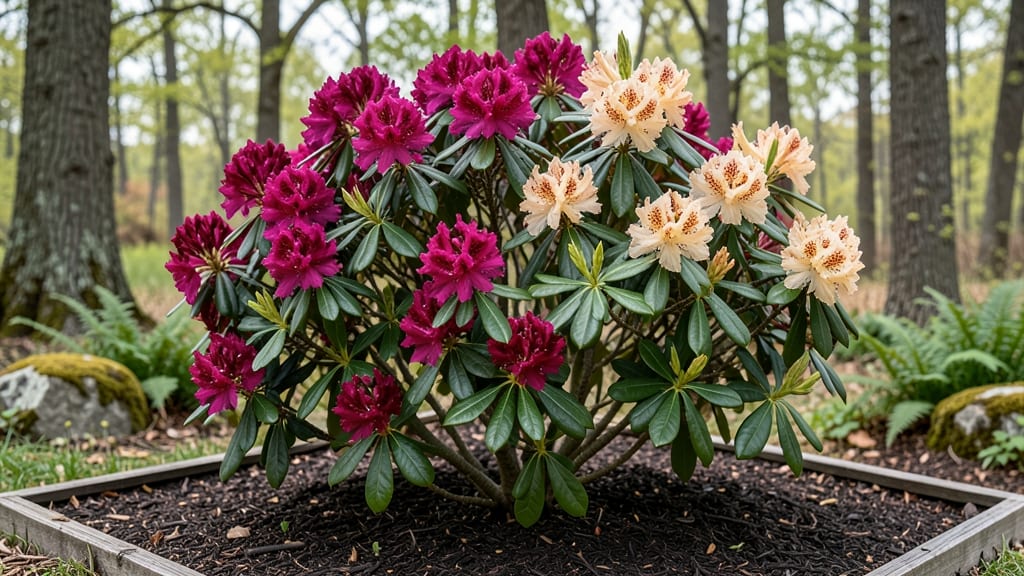
Rhododendrons in North Carolina burst into bloom between late March and early May, turning gardens into a 🌸 explosion of color—but the exact timing depends on where you live in the state.
Picture this: the mountains of western NC burst into pink and purple two weeks earlier than the Piedmont, while coastal areas might wait until May. That’s a month-long spread of showstopping blooms if you know where to look.
Why does it matter? Missing peak bloom means missing out on one of spring’s most dramatic displays. But with the right zone knowledge, you can time your garden visits—or even adjust your plant choices—to enjoy rhododendrons at their finest.
Below, I’ll break down the zone-by-zone timeline, how to predict blooms based on local weather, and simple tricks to extend their beauty even longer.
NC rhododendron bloom timeline by USDA hardiness zones (5b to 8a)
North Carolina’s rhododendron blooms arrive like a symphony, with each USDA zone conducting its own timing. In the mountain regions (5b-6a), blooms often kick off as early as late March, while Piedmont areas (7a-8a) may not see peak color until mid-April.
These differences matter—missing the window means missing out on weeks of stunning purple, pink, and white displays.
Understanding your zone-specific frost dates is key because cold snaps can delay blooms, while early warming might trigger them sooner. For example, Asheville (6b) often sees blooms by April 1st, while Raleigh (7b) might not peak until April 15th. Let’s break down what to expect in your area.
🌸 Pro Tip: Use your local Cooperative Extension Service frost data to fine-tune predictions. A 5°F cold snap in March can push mountain blooms back by 1-2 weeks, while a warm February might bring early color to the foothills.
If you’re in Zone 5b (mountains), plan to admire blooms from late March to mid-April. This is when high-elevation rhododendrons like those in the Blue Ridge Parkway areas burst into color. The cooler nights and moist air create perfect conditions for early flowering.
In Zone 6b (foothills), blooms arrive a bit later—think early to mid-April. Here, humidity levels rise, which can sometimes cause bud blast if temperatures fluctuate. To protect your plants, consider lightweight frost cloth if late frosts are forecasted.
For Piedmont gardeners (Zones 7a-7b), the show starts in late April and peaks in early May. This is the longest bloom window in NC, lasting up to 6 weeks with proper care. Varieties like 'Carolina Lemons' (a yellow rhododendron) thrive here and add a unique pop of color.
🌿 Key Insight:
How to extend rhododendron bloom time in North Carolina gardens
Rhododendrons in North Carolina typically bloom for 2-3 weeks, but with the right care, you can stretch that window to 6-8 weeks or longer. The key lies in understanding their natural triggers—cool fall temperatures and proper soil conditions—and giving them the right support.
Many gardeners miss extended blooms because they focus only on spring care, but fall prep is just as critical.
One of the biggest mistakes is over-pruning after flowering. While deadheading spent blooms encourages reblooming, aggressive cuts remove next year’s flower buds, which form in late summer. Instead, use selective pruning to shape your shrubs without sacrificing future blooms. Let’s break down the proven methods to maximize your rhododendron’s show.
Another game-changer is mulching. Apply a 3-inch layer of pine bark mulch in late fall to insulate roots and maintain even moisture. This mimics the humid, acidic conditions of their native Appalachian habitats.
I’ve seen rhododendrons in my Zone 7b garden bloom 3 weeks earlier with proper mulching compared to neglected plants.
For gardeners in cooler mountain zones (5b-6a), focus on early-blooming varieties like 'Nova' or 'Elf', which thrive in shorter seasons. In warmer Piedmont zones (7b-8a), opt for late-season bloomers like 'Carolina Blush' to extend the show into June.
Always plant in partial shade—too much sun shortens bloom time by stressing the plant.
Finally, watch for pests like lacewings or disease signs like brown buds. A single infestation can cut bloom time in half. Use neem oil preventatively in early spring to keep your rhododendrons healthy and vibrant.
With these adjustments, your garden could enjoy rhododendron blooms from April through June—a full two months longer than average!