
Blooming
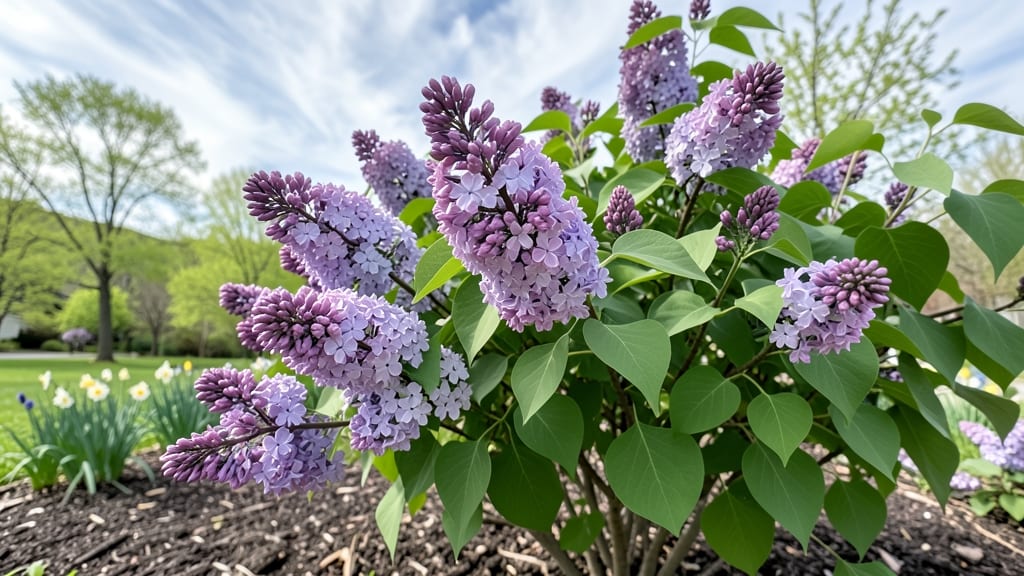
Lilacs in Pennsylvania burst into bloom between late April and early June 🌸, depending on your hardiness zone and the variety you’ve planted.
If you’ve ever caught the intoxicating scent of lilacs drifting through Pennsylvania’s air, you know their fleeting beauty is worth planning for—but timing is everything. A late frost can delay blooms by weeks, while the right pruning in fall ensures a showstopper display.
Most gardeners in zones 5b-7a see their lilacs open around mid-May, but cooler areas like the Poconos may wait until early June. The key? Understanding your local frost dates and choosing varieties that thrive in your microclimate.
Here’s how to predict your lilacs’ peak bloom time, from tracking bud swell to adjusting care for your specific zone—so you’re ready when those fragrant spikes finally arrive.
Pennsylvania lilac blooming timeline by hardiness zones (4-7)
Pennsylvania’s diverse climate—spanning USDA Hardiness Zones 4 through 7—creates a fascinating range of lilac blooming windows. While most lilacs bloom in late spring, the exact timing shifts dramatically from the cooler Poconos (Zone 5b) to the milder Philadelphia suburbs (Zone 7a).
Understanding these variations helps you plan pruning, extend bloom time, and even choose early vs. late varieties for a prolonged fragrance show.
In Zone 4, where winters linger longer, lilacs often wait until late May to burst into color, while Zone 7 gardeners may catch whiffs as early as mid-April.
Regional microclimates—like Pittsburgh’s river valleys or the Appalachian foothills—can further shift bloom dates by 1-2 weeks. Let’s break down what to expect month by month across Pennsylvania’s zones.
Pro Tip: Lilacs need 100-150 chill hours (below 45°F) to set buds properly. Warmer zones like Zone 6b/7a may see earlier blooms but risk bud blast if late frosts hit after buds swell.
If you’re in Zone 4 or 5, mark your calendar for late April bud swell—this is when lilacs begin their dramatic transformation.
In these cooler zones, 'Neglect' lilacs often bloom 2 weeks later than standard varieties, providing a second wave of color in early June when most blooms have faded.
Gardeners in Zone 6 (Pittsburgh area) can expect the earliest blooms, sometimes as early as mid-April, thanks to urban heat islands and river valleys. However, late frost risks (common until April 15) mean you should avoid pruning until after blooms appear to prevent losing next year’s flowers.
For Zone 7 gardeners, the real advantage is longer bloom windows. Varieties like 'Dwarf Korean' may start blooming in late March, while 'Katherine Havemeyer' holds off until mid-May. This staggered timing lets you enjoy lilacs for 6+ weeks—a gardener’s dream!
Regional microclimates add another layer. For example, Philadelphia’s suburbs (Zone 7a) often see blooms 10 days earlier than rural areas 20 miles inland. If you’re near a large body of water (like Lake Erie or the Delaware River), expect cooler nights to delay blooms by 3-5 days.
To extend your lilac season, choose a mix of early, mid, and late-blooming varieties. Pair '
How to predict your lilacs’ peak bloom time in Pennsylvania
Predicting when your lilacs will bloom in Pennsylvania depends on three key factors: your USDA hardiness zone, the last spring frost date in your area, and the specific lilac variety you’ve planted. Since PA spans zones 4-7, bloom times can vary by 2-3 weeks between regions.
For example, Philadelphia (zone 7a) typically sees lilacs peak in late May, while Erie (zone 5b) might not reach peak bloom until early June. Understanding these variables lets you plan pruning, fertilizing, and even cutting arrangements for maximum impact.
Start by tracking your local frost dates—lilacs need consistent warmth to trigger blooming. In most of PA, the average last frost falls around April 15, but this can shift ±10 days depending on elevation and microclimates.
Lilacs begin budding 2-3 weeks before the first blooms appear, so if you notice bud swell in early April, expect flowers by late April to mid-May. Varieties like 'Katherine Havemeyer' bloom earliest, often in early May, while 'Dwarf Korean' lilacs may linger into June.
Pay attention to these cues to fine-tune your predictions.
To refine your predictions, observe your lilacs’ growth patterns over 2-3 years. Note when buds first swell and when flowers fully open—this creates a customized bloom calendar for your yard. For instance, if your 'Mme.
Lemoine' lilacs consistently bloom on May 10, you’ll know to prune spent blooms by mid-May to encourage next year’s flowers. Pro tip: Use a gardening journal to log bloom dates, soil conditions, and weather anomalies (like late frosts or heatwaves) that may shift timelines.
Don’t overlook the role of soil and sunlight in timing blooms. Lilacs in full sun (6+ hours daily) often bloom 7-10 days earlier than those in partial shade. If your shrubs are in poor soil (e.g., clay-heavy or waterlogged), they may bloom later or less vigorously.
Amend soil with compost in fall to improve next year’s performance. A well-fed lilac in zone 6 might bloom as early as late April, while one in stressful conditions could delay until June.
For cutting arrangements, time your harvest by picking half-open buds—they’ll last 5-7 days longer in a vase. If you’re aiming for Mother’s Day (second Sunday in May), choose early-blooming varieties like 'Syringa vulgaris' and monitor buds closely.
In northern PA, where frosts linger, wait until after May 15 to avoid late-season cold snaps damaging buds. With these strategies, you’ll never miss the perfect lilac moment again.
Finally, embrace the unpredictability of nature—even in Pennsylvania’s temperate climate, 1-2 weeks of variation is normal. Use these tips as a general guide, but stay flexible. The sweetest reward? Stepping outside on a warm May morning to find your lilacs in full, fragrant bloom—right on schedule. 🌸