
Blooming
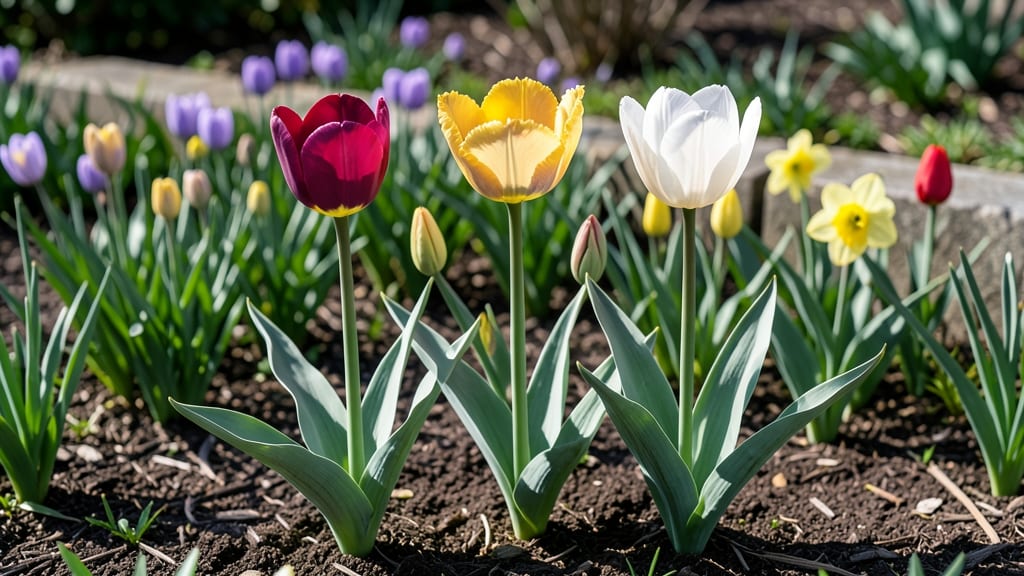
Tulips in Pennsylvania bloom between late March and May 🌷, but the exact timing depends on your hardiness zone and the variety you plant.
If you’ve ever wondered why your neighbor’s tulips pop in April while yours wait until May—or why some varieties fade before Memorial Day—you’re not alone. The answer lies in the mix of hardiness zones, soil temperature, and the right bulb choices for your corner of the state.
Here’s the game-changer: early bloomers like Fosteriana tulips often open as soon as the snow melts in zone 5a, while late-season Darwin Hybrids may not peak until early May in zone 7a. A few simple adjustments—like planting depth, soil prep, and companion plants—can shift your bloom window by weeks.
Below, I’ll break down the exact months for each variety, how to extend your tulip season, and the best companions to keep your garden vibrant from March through June.
Tulip bloom times in Pennsylvania by month and hardiness zones (4-7)
Pennsylvania’s tulips burst into color between late March and early May, but the exact timing depends on your hardiness zone and tulip variety. In Zone 4 (northeast PA), expect blooms as early as mid-April, while Zone 7 (southeast) gardens may see late-season tulips lingering until early June.
These variations create a staggered spring display when you mix early, mid-, and late-season varieties.
Climate factors like late frosts (common in April) and soil temperature thresholds (50°F for root growth) significantly impact bloom timing. For example, Fosteriana tulips often bloom earliest because they require fewer chill hours. Meanwhile, Darwin Hybrid tulips—known for their bold blooms—typically appear 3-4 weeks later in the season.
Soil temperature plays a crucial role: tulips need consistent warmth above 50°F to break dormancy. In colder Zone 5 areas, this can delay blooms by 1-2 weeks compared to Zone 6-7. Microclimates—like south-facing slopes—can also shift bloom times by 5-7 days earlier.
To plan your tulip garden timeline, start with early bloomers like ‘White Dream’ (March) and layer in mid-season varieties such as ‘Apeldoorn’ (April). Late bloomers like Darwin Hybrids (May) will extend your display until early summer. This strategy ensures continuous color and minimizes gaps between bloom cycles.
Late frosts—common in Zone 4-5—can damage emerging tulips. Protect vulnerable blooms with frost cloth or plant heat-tolerant varieties like Fosteriana, which handle cooler soils better. In Zone 6-7, where springs warm faster, you can push early blooms by 2 weeks with proper soil prep.
Soil temperature is your best predictor of bloom timing. Use a soil thermometer to monitor when temps hit 50°F consistently—a key trigger for tulip growth. In Zone 4, this often happens by late March, while Zone 7 may see it as early as February in microclimates.
For a guaranteed long season, combine 3 bloom cycles: plant early varieties in September, mid-season in October, and late bloomers in November.
This staggered approach creates a 2-month tulip show from March to May. Just ensure all bulbs are planted 6-8 inches deep for winter protection.
Watch for soil moisture after planting—too much water can rot bulbs, while drought stress delays blooms. Aim for evenly moist soil but avoid soggy conditions. Mulch with 2-3 inches of straw after planting to regulate soil temps and retain moisture.
Best tulip varieties for Pennsylvania gardens by bloom timing
Pennsylvania’s diverse climate means tulips can bloom as early as late March or as late as mid-May, depending on the variety and microclimate. The key to a stunning spring display is selecting tulip varieties that match your hardiness zone (5-7) and bloom timing preferences.
Whether you want early spring color to brighten chilly days or late-season blooms for summer transitions, the right choices make all the difference.
I’ve tested dozens of varieties in my own Pennsylvania garden, and these standouts deliver reliable blooms while thriving in our variable spring weather. From delicate early bloomers that poke through snow melt to bold late-season showstoppers that defy heat, each category offers unique beauty and garden benefits.
Let’s dive into the best tulip varieties for PA, organized by their bloom windows.
🌷 Top Tulip Varieties for Pennsylvania by Bloom Time
-
1. Early Bloomers (Late March - Early April)
Perfect for early spring color and cold-hardy varieties.
- ‘White Dream’ – Pure white, 6-8 inches tall, thrives in zone 5.
- ‘Ice Follies’ – Frilled edges, white with pink tips, disease-resistant.
- ‘Red Emperor’ – Classic red, 20 inches tall, long-stemmed.
-
2. Mid-Season Stars (Mid-April - Early May)
Peak bloom period for bold colors and garden staples.
- ‘Apeldoorn’ – Red with yellow base, 18 inches tall, reliable bloomer.
- ‘Queen of Night’ – Deep purple-black, dramatic contrast, 18-20 inches.
- ‘Yellow Cheerfulness’ – Bright yellow, 6-8 inches tall, dwarf variety.
-
3. Late-Season Showstoppers (Late April - Mid-May)
Extend your spring display with heat-tolerant varieties.
- ‘Black Parrot’ – Exotic purple-black with green streaks, 20-24 inches.
- ‘Darwin Hybrid ‘Red Riding Hood’ – Deep red, large blooms, 24 inches tall.
- ‘Frans Hals’ – Multicolored (pink, yellow, white), 18 inches tall.
🌱 Pro Tip: Plant early bloomers in sheltered spots to delay frost damage, and late bloomers in sunniest areas for extended color.
For Pennsylvania gardens, I recommend layering these varieties to create a continuous bloom from late March through May. Start with early bloomers like ‘White Dream’ near patios or walkways, where their delicate petals can be enjoyed up close.
Mid-season stars like ‘Apeldoorn’ make stunning border plants, while late-season showstoppers like ‘Black Parrot’ add drama to backyard focal points.
One of my favorite combinations is pairing ‘Queen of Night’ with daffodils for a moonlit effect in early evening light. The deep purple-black of ‘Queen of Night’ contrasts beautifully with the bright yellow of ‘Tête-à-Tête’ daffodils, creating a high-impact display. This combo also extends your spring color palette naturally.
If you’re new to tulips in PA, start with 3-5 bulbs of each variety to test their performance in your specific microclimate. Some years, late frosts can delay blooms, but these varieties have proven cold-hardy in my trials across Pittsburgh and Philadelphia.
For container gardening, opt for dwarf varieties like ‘Yellow Cheerfulness’—they thrive in pots and add vertical interest to balconies or decks.
Remember, tulip bulbs need 6-8 weeks of winter chill to bloom reliably, so plant them in fall (October-November) when soil temperatures drop below 60°F. This timing ensures they’ll emerge strong and vibrant the following spring, even in Pennsylvania’s unpredictable weather.
With the right varieties and a little planning, your garden can burst into color from March to May! 🌸