
Blooming
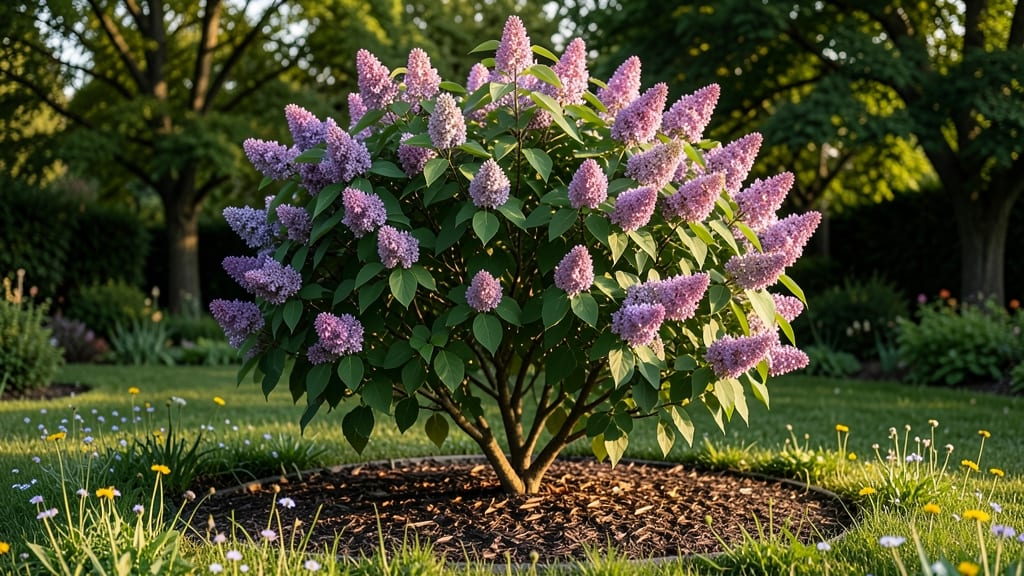
Lilacs in New York typically bloom between late April and early June 🌸, with the exact timing depending on your hardiness zone and last frost date.
That intoxicating scent of purple blooms signals spring’s arrival—but whether you’re in upstate Zone 3 or Long Island’s Zone 7, the window can shift by weeks. A late frost in May might delay blooms, while a warm April could bring them early.
Most gardeners in Zone 6a (like much of the Hudson Valley) see peak lilac season in late May, but choosing the right variety can stretch your blooms from early May to June. I’ll show you how to predict your lilacs’ exact timeline and extend their season.
From selecting early-blooming varieties to adjusting care for your microclimate, you’ll discover simple tricks to ensure your lilacs put on their best show—right when you need that spring fragrance most.
Lilac blooming timeline by New York hardiness zones (3-7)
New York’s diverse climate creates a fascinating lilac blooming spectrum from the Adirondacks to Long Island. In Zone 3, where winters are harsh, lilacs often wait until late May for their grand debut.
Meanwhile, in Zone 7, warmer temperatures can trigger blooms as early as mid-April. These differences mean your lilac’s perfume might arrive weeks earlier—or later—than your neighbor’s, depending on where you live.
Understanding these patterns helps you plan pruning, anticipate fragrance, and even choose varieties that sync with your ideal bloom window.
For example, early bloomers like 'Katherine Havemeyer' might flower in Zone 5 by early May, while late varieties like 'Miss Canada' could wait until June in Zone 3. Let’s explore how your specific zone affects your lilac’s spring schedule.
| Zone | Avg. Bloom Start | Peak Bloom | Avg. Bloom End | Early Outliers | Late Outliers |
|---|---|---|---|---|---|
| Zone 3 (Northern NY) | Late May | Early June | Mid-June | Early May (mild winters) | Late June (cold springs) |
| Zone 4 (Central NY) | Mid-May | Late May | Early June | Early May (south-facing sites) | Mid-June (late frosts) |
| Zone 5 (Syracuse/Rochester) | Early May | Mid-May | Late May | Late April (urban heat islands) | Early June (cool springs) |
| Zone 6 (Albany/Capital Region) | Late April | Early May | Mid-May | Mid-April (protected microclimates) | Late May (unusually cold) |
| Zone 7 (Long Island) | Mid-April | Late April | Early May | Early April (coastal warmth) | Mid-May (delayed warmth) |
Temperature fluctuations play a critical role in these timelines. A warm April can push Zone 5 lilacs into bloom by late April, while a cold May might delay Zone 7 blooms until early June.
For example, the 2021 heatwave caused Long Island lilacs to peak in late April, while the 2020 late frost kept some Zone 6 plants waiting until early June. Tracking local weather patterns helps you adjust expectations each year.
Your lilac’s location within a zone also matters. Urban areas like New York City (Zone 7a) often experience earlier blooms due to the urban heat island effect, while rural areas in Zone 5 might see delayed flowering. Even within your yard, lilacs planted near south-facing walls
How to predict your lilacs’ exact bloom date in New York
Predicting when your lilacs will bloom in New York isn’t just about checking a calendar—it’s about reading your local microclimate and understanding your specific lilac variety.
While most gardeners expect blooms in late April to early May, your lilacs might surprise you by opening weeks earlier or later depending on chill hours and last frost dates in your corner of the state.
New York’s diverse climate—from the Adirondacks’ chillier zones to Long Island’s milder springs—means bloom dates can vary by 2-3 weeks. For example, a Katherine Havemeyer lilac in Zone 5 might bloom in early May, while the same variety in Zone 7 could start in late April.
The key is combining historical data with hands-on observation.
- Check your USDA Zone and last frost date (NY averages: April 15 in Zone 5, March 20 in Zone 7).
- Track cumulative chill hours (lilacs need 500-1,000 hours below 45°F to bloom reliably).
- Monitor bud swell in early spring—3-4 weeks before blooms appear.
- Use NY State Agricultural Records (e.g., Cornell’s Lilac Bloom Tracker) for local trends.
- Adjust for microclimates (e.g., urban heat islands bloom 10 days earlier than rural areas).
Start by consulting Cornell Cooperative Extension’s lilac bloom data, which tracks historical bloom dates across New York. For example, their records show that ‘Miss Canada’ lilacs in Zone 6 typically bloom between May 5 and May 15, while ‘Dwarf Korean’ varieties often start 7-10 days earlier.
Cross-reference these dates with your local weather patterns—a warm March can advance blooms by 2 weeks, while a late frost might delay them.
Once you’ve nailed down your zone and variety, focus on bud swell, the first visible sign that blooms are imminent. In my garden in Zone 5, I start checking for swollen buds in late March.
If the buds are plump and green (not brown or shriveled), blooms will arrive in 3-4 weeks. Pro tip: Use a magnifying glass to inspect buds—early detection helps you plan for peak fragrance days and even lilac syrup harvesting!
Don’t overlook the power of microclimates—your lilacs’ location can shift bloom dates by 1-2 weeks. A south-facing wall or urban pavement absorbs heat, encouraging earlier blooms, while windy hilltops or shady spots delay them.
I once had two ‘Sybille’ lilacs just 50 feet apart—one bloomed on May 1, the other on May 12—because of a stone retaining wall creating a warmer microclimate.
For the most precise prediction, combine these methods: check chill hours, monitor bud swell, and adjust for your microclimate. With practice, you’ll anticipate your lilacs’ bloom date within 3-5 days—just in time to enjoy their intoxicating fragrance at its peak.
And remember, even if Mother Nature throws a curveball, lilacs are resilient. A late frost might nip a few buds, but your shrub will bounce back stronger for next year’s show. 🌸