
Blooming
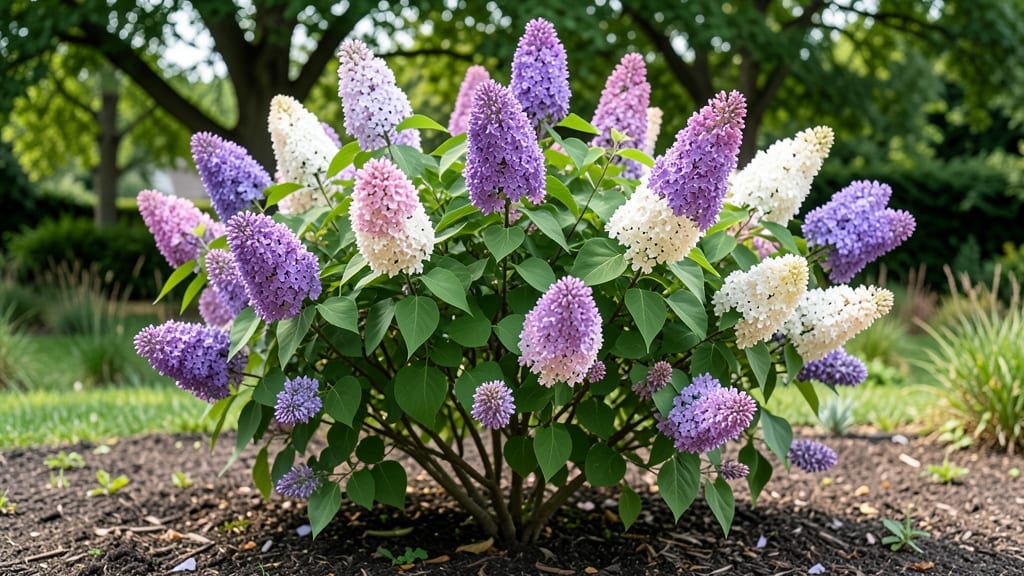
Lilacs bloom in Colorado between late April and early June, with timing shifting dramatically from the mountain valleys to the Front Range and southern plains.
Nothing announces spring in Colorado like the intoxicating fragrance of lilacs 🌸 — but if you’ve ever missed their peak bloom, you know how fast they can fade.
The difference between a late-April burst in Denver and a mid-June show in Grand Junction comes down to elevation, microclimates, and even last winter’s snowpack.
For gardeners in USDA Zones 5-7, this means planning ahead: early bloomers like 'Katherine Havemeyer' may open as soon as late April in lower elevations, while high-altitude lilacs in Zone 4 might wait until May.
The key is knowing your zone’s frost-free date and adjusting pruning schedules to coax those fragrant clusters into your yard at the perfect moment.
Below, I’ll break down the exact bloom windows for Colorado’s zones, how to extend your lilacs’ season, and which varieties thrive best in the state’s short but sweet spring. Spoiler: a little strategic pruning can turn a two-week bloom into a month-long perfume festival.
Colorado lilac bloom schedule by USDA hardiness zones (3-7)
Colorado’s dramatic elevation changes create a unique bloom calendar for lilacs, where mountain zones (3-4) enjoy late-spring fragrance while plains zones (6-7) experience early blooms. Understanding these patterns helps you select varieties that thrive in your specific microclimate and plan pruning for optimal fragrance next year.
Lilacs typically bloom after last frost dates, but Colorado’s altitude variations shift timing by weeks. In Zone 3 (Steamboat Springs, Grand Junction high country), buds open in late May to early June, while Zone 7 (Colorado Springs, Pueblo) sees blooms as early as mid-April.
This two-month window creates planning opportunities for gardeners.
🌸
In Zone 3, where winters linger into June, lilacs often bloom 3-4 weeks later than their plains counterparts. My Denver-area garden (Zone 5) typically sees 'Beauty of Moscow' open by April 20th, while 'Armand de Brignoles' follows two weeks later.
This staggered timing creates a continuous fragrance display from late April through June.
Colorado’s microclimates create exceptions to these rules. Urban heat islands in Denver and Colorado Springs can push blooms 7-10 days earlier, while mountain valleys (like Boulder’s flatirons) often experience delayed blooming due to cold air pooling.
Always monitor your specific location’s last frost dates from the Colorado Climate Center.
🌿
For gardeners in Zones 3-4, consider planting early blooming varieties like 'Miss Canada' to capture June's mountain fragrance. Meanwhile, Zone 7 gardeners can extend their bloom season by choosing late varieties like 'Henry E. Huntington' that push into early June.
This strategic pairing creates a continuous floral display across Colorado’s diverse landscapes.
Lilacs in higher elevations (above 7,000ft) often require additional chilling hours to bloom reliably. If your mountain garden experiences warmer winters (like in Grand Junction), you may need to prune less aggressively to maintain bloom cycles.
Always avoid late-season pruning after July 1st, as this removes next year’s flower buds.
🌸
My pro tip for Colorado gardeners: Plant lilacs near south-facing walls to capture extra heat and extend the bloom season by 5-7 days. This microclimate hack works particularly well in Zone
How to extend your lilacs’ bloom time in Colorado’s climate
Colorado’s variable climate can shorten lilac blooms, but with the right strategies, you can push those fragrant flowers to last weeks longer. The key lies in understanding how to adjust pruning, optimize soil, and leverage microclimates to create ideal conditions for your shrubs.
Since lilacs typically bloom for just 7-10 days in the wild, extending this window requires intentional care.
First, focus on soil preparation—lilacs thrive in well-draining, slightly alkaline soil (pH 6.5-7.5). Amend heavy clay soils with compost and sand to improve drainage, which prevents root rot and encourages stronger blooms.
In Colorado’s dry air, mulching with 2-3 inches of organic mulch helps retain moisture while protecting roots from temperature swings.
🌸
- 1 Prune after blooming: Wait until June or July to prune spent blooms—this prevents removing next year’s flower buds, which form on old wood.
- 2 Fertilize strategically: Use a balanced 10-10-10 fertilizer in early spring (March) and a low-nitrogen formula in late summer (August) to encourage bud formation.
- 3 Water deeply in spring: Provide 1-2 inches of water weekly during bud development (April-May) to prevent stress. Use drip irrigation to keep foliage dry and reduce fungal risks.
- 4 Create microclimates: Plant lilacs near south-facing walls or heat-absorbing surfaces (like stone) to extend the growing season by 2-3 weeks in cooler zones.
- 5 Choose repeat-blooming varieties: Opt for ‘Miss Canada’ or ‘Dwarf Korean’, which produce secondary blooms on new wood if pruned lightly in late summer.
For earlier blooms, plant lilacs in sheltered microclimates like near buildings or fences, where they receive reflected heat. In high-altitude areas (e.g., Denver’s suburbs), consider container gardening to move pots closer to heat sources during late spring.
Conversely, to delay blooming in hotter zones (e.g., Colorado Springs), provide afternoon shade during peak summer months.
Monitor your lilacs’ bud development closely—healthy buds should swell by late April in most of Colorado. If buds fail to open, check for aphids or powdery mildew, common issues in Colorado’s humid spring. A neem oil spray can prevent these pests without harming beneficial insects.
With these adjustments, you can transform your lilacs from a fleeting spring highlight into a month-long fragrant showcase. Start with soil prep this fall, and by next spring, your garden will thank you with longer, more abundant blooms—just in time for Colorado’s most aromatic season. 🌿