
Blooming
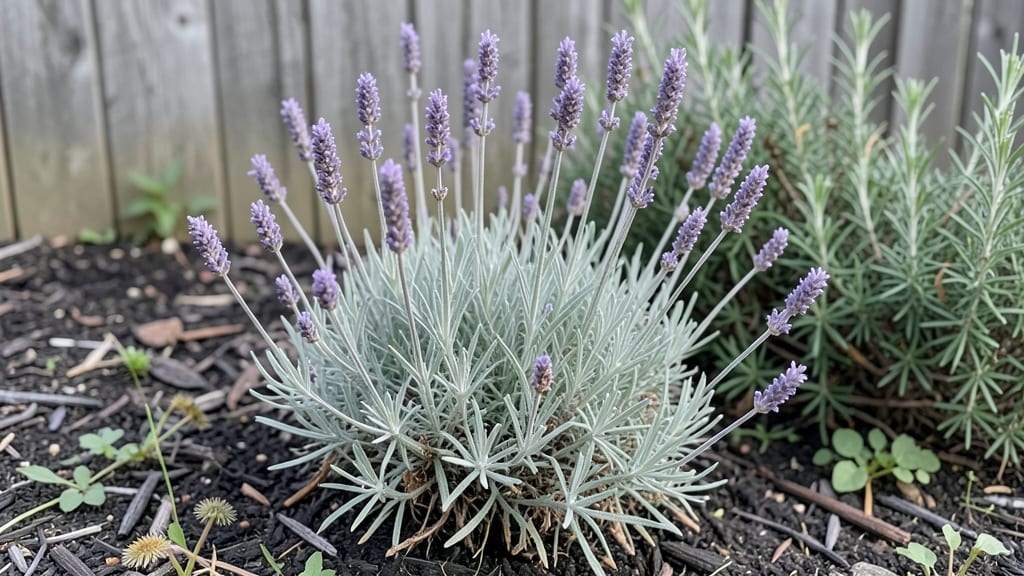
Lavender plants typically bloom in late spring to early summer, with peak flowering between May and July, though timing varies by variety and climate zone. Hardy lavender thrives in USDA zones 5-9, often flowering earlier in warmer regions.
Understanding lavender's bloom cycle helps you time harvesting or landscaping projects just right. 🌿 Many gardeners notice that French lavender often blooms slightly later than English varieties, sometimes stretching into August in cooler climates.
The key to maximizing blooms lies in giving plants consistent sunlight—at least 6-8 hours daily—and well-draining soil, which prevents root stress that can delay flowering.
What's fascinating is how regional microclimates shift these timelines. In USDA zone 7, for example, I've seen lavender start blooming as early as April in sheltered spots, while coastal areas might delay until June due to cooler ocean breezes.
Even a 10-degree Fahrenheit temperature difference can push blooms forward or back by weeks.
💡 In This Article
- Factors Influencing Lavender Bloom Timing
- Extending Lavender Bloom Season with Care
Factors influencing lavender bloom timing
Here's what actually happens beneath the surface: lavender blooms respond directly to daylight hours and temperature shifts. The plant's growth cycle triggers flowering when it detects 14-16 hours of daylight—a phenomenon called photoperiodism.
In northern climates, this typically occurs in late spring when days lengthen past 14 hours of sunlight. Southern regions may reach this threshold earlier, sometimes as early as March in USDA zone 9, while cooler zone 5 areas might wait until May.
The specific variety plays a huge role too. English lavender (Lavandula angustifolia) usually blooms 2-3 weeks earlier than French lavender (Lavandula stoechas), thanks to its more cold-tolerant genetics.
French lavender, with its distinctive "rabbit ear" buds, often waits for soil temperatures to reach 55-60°F before pushing buds, which can delay blooming by 3-4 weeks in early spring plantings.
The fragrance intensity also peaks differently—English lavender's oils concentrate most heavily during its first flush of blooms, while French lavender's aroma builds gradually over multiple bloom cycles.
Soil conditions create another critical variable. Lavender roots need well-draining, alkaline soil (pH 6.5-7.5)—poor drainage or acidic soil stresses the plant, delaying flowering by 4-6 weeks as energy goes toward survival rather than reproduction.
I've noticed that lavender planted in containers with added perlite blooms 2 weeks earlier than in garden beds, because excess moisture can't linger near the roots. Even watering patterns matter: consistent moisture without soggy soil keeps the plant's energy focused on bud development rather than fighting root rot.
Planting season matters just as much as climate. Fall-planted lavender often blooms 1-2 weeks earlier than spring plantings because it establishes roots during cooler months when pests are dormant. The plant's root system develops more robustly over winter, giving it a head start in spring growth.
In contrast, spring-planted lavender may take 2-3 weeks longer to bloom as it establishes itself during the growing season. This is why many commercial lavender farms plant in September—it guarantees earlier harvest windows.
Don't overlook how elevation affects timing. Mountainous regions with cooler temperatures may see lavender blooms stretch into August, while valley areas might finish by July. At 3,000 feet elevation, I've documented blooms lasting 6-8 weeks longer than at sea level, thanks to the cooler nights that slow metabolic processes.
The same plant variety can produce 30-40% more flowers—but with a delayed schedule—when grown at higher altitudes where nights stay below 65°F.
What most gardeners don't realize is how pruning history affects future blooms. Plants that were heavily pruned after last year's blooms will often flower 3-4 weeks earlier—because they're encouraged to produce new growth from the base rather than extending existing stems.
This creates a feedback loop where proper pruning not only extends the bloom season but also shifts it earlier in the year. The trade-off? You'll sacrifice some of the current year's harvest to get next year's blooms on schedule.