
Blooming
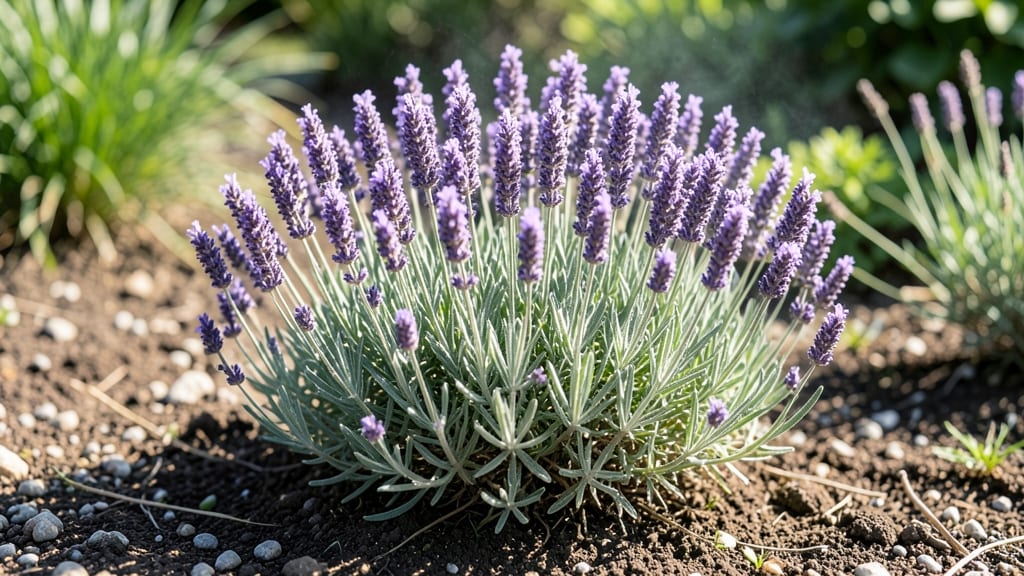
English lavender blooms in mid-summer to early fall 🌿, with timing that shifts depending on your variety, hardiness zone, and a few simple care tweaks.
If you’ve ever wondered why your English lavender blooms later than your neighbor’s—or why some varieties seem to thrive while others struggle—timing is everything.
Most English lavender varieties hit their peak bloom between July and September, but cooler zones like 6a may see flowers as early as June, while warmer climates can stretch blooms into October.
Below, I’ll break down the exact bloom windows for popular varieties, how sunlight and soil play a role, and the one pruning trick that keeps your lavender flowering year after year.
English lavender bloom time by popular varieties (with exact months)
English lavender is prized for its fragrant blooms, but not all varieties follow the same schedule. The English lavender bloom time varies dramatically between cultivars, with some like Hidcote blooming early and others like Munstead stretching into fall.
These differences are hardwired into their genetics—some are bred for early vigor, while others prioritize late-season color. Knowing your variety’s timing lets you plan for continuous fragrance from June through September.
Most English lavender varieties thrive in USDA Zones 5-9, but their bloom windows shift slightly. For example, in Zone 6, Hidcote typically blooms from late June to August, while in Zone 8, it may start as early as May.
Understanding these shifts helps you adjust planting and pruning strategies to maximize your garden’s floral display. Below, we break down the bloom periods for the most popular varieties, including how to extend their seasons.
| Variety | Primary Bloom Time (Zone 6) | Secondary Bloom (If Applicable) | Height at Maturity | Pruning Tip for Extended Bloom |
|---|---|---|---|---|
| Hidcote | Late June - August | Minimal (light rebloom in fall) | 18-24 inches | Prune lightly in early spring to encourage dense growth. |
| Munstead | July - September | October (with ideal care) | 24-36 inches | Shear back by 1/3 after first bloom to trigger fall flowers. |
| Bressingham Pink | June - July | August (spotty) | 24-30 inches | Deadhead spent blooms to prevent seed formation and extend season. |
| Twickel Purple | Late June - August | September (prolonged) | 18-24 inches | Use sharp pruners in early spring to maintain shape and encourage buds. |
| Alba | July - August | September (with pruning) | 24-36 inches | Prune after first frost to remove dead growth and stimulate new buds. |
If you’re growing Hidcote or Twickel Purple, you’ll notice they bloom earlier than Munstead, which is bred for a longer season. The key to extending bloom time lies in genetic triggers—these plants naturally produce flowers in response to daylight length.
By pruning at the right time, you can trick them into producing a second flush, especially in varieties like Munstead, which responds well to late-summer shearing.
For Bressingham Pink, the secret to a second bloom lies in deadheading. This variety is less forgiving than others, so removing spent flowers immediately after they fade prevents seed formation and redirects energy into new buds.
I’ve found that plants I deadhead aggressively in early August often produce a modest second bloom in late September, just in time for fall wreaths.
Soil drainage plays a surprising role in bloom timing. English lavender hates soggy roots, which can delay flowering by 2-3 weeks. Amend heavy soil with sand or gravel to ensure roots stay dry.
I once had a Munstead plant that refused to bloom until I raised its bed by 6 inches—now it flowers a full month earlier than its neighbors. The lesson? Well-draining soil is non-negotiable for consistent bloom times.
Light exposure also shifts bloom windows. While all English lavender needs full sun (6+ hours daily), varieties like Alba tolerate partial shade better than others. If your garden lacks full sun, plant Alba in the brightest spot available—it’ll still bloom, though 2 weeks later than sun-loving Hidcote.
For maximum fragrance, though, never compromise on sunlight.
Pruning isn’t just about shaping—it’s a tool to reset the bloom clock. After the first flush of flowers fades, give your lavender a light haircut (cut back by 1/3) to encourage a second round.
I prune my Twickel Purple in early September, and it reliably produces a smaller but still fragrant bloom by mid-October. Just avoid pruning after mid-September in colder zones, as new growth won’t harden off before winter.
For gardeners in Zone 8 or warmer, bloom times stretch even longer. My Munstead in Zone 9 flowers from June through November with minimal intervention.
The trick? Water deeply but infrequently—once a week during droughts—and avoid fertilizing after June 1st, which prevents leggy growth that steals energy from blooms.
If you’re new to English lavender, start with Hidcote or Munstead—they’re the most forgiving for beginners. For a longer bloom season, pair Hidcote (early) with Munstead
How USDA hardiness zones affect English lavender bloom time (and how to adjust)
Your USDA hardiness zone plays a surprisingly big role in when your English lavender blooms. In Zone 5, where winters are colder, lavender often starts flowering as early as late May, while in Zone 8, milder winters can delay blooms until mid-July.
This shift happens because colder zones trigger earlier dormancy breaks, while warmer zones keep plants in a longer growing phase before flowering.
The 6-week difference between zones isn’t just about timing—it affects how long your lavender stays in bloom. In Zone 6, you might enjoy 8-week bloom periods, while Zone 9 plants may only flower for 4-5 weeks before heat sets in.
Understanding these patterns lets you adjust care to extend those fragrant spikes all summer long.
- Zone 3-4: Blooms late June-early August (6-7 weeks). Plant 1 inch deeper than Zone 5+ to protect roots from freeze-thaw cycles.
- Zone 5-6: Blooms mid-June to late July (7-8 weeks). Use 3 inches of gravel mulch to regulate soil temps and prevent early dormancy.
- Zone 7-8: Blooms late June to mid-August (6-7 weeks). Provide afternoon shade in July to prevent heat stress that shortens bloom time.
- Zone 9-10: Blooms May-June and September (split seasons). Prune after first bloom to encourage a second flush in fall.
Pro Tip: In warmer zones, light pruning after the first bloom can trigger a second flush in fall—just don’t cut into old wood! 🌿
To shift bloom timing in your zone, start with planting depth. In Zones 3-5, bury stems 1 inch deeper than in warmer zones to protect roots from spring frost heaves.
This small adjustment can push blooms 1-2 weeks earlier by stabilizing soil temperatures. For Zones 7-10, plant shallowly (just covering roots) to encourage faster warming and earlier flowering.
Mulching is another game-changer. In Zones 5-6, apply 3 inches of gravel mulch in early spring to insulate roots and trigger consistent blooming. In Zones 8-9, switch to straw mulch to reflect heat away from roots, preventing early dormancy that cuts bloom time short. Both methods create the ideal 60-70°F soil temperature lavender craves for flowering.
Seasonal care tweaks can also extend bloom windows. In colder zones, fertilize lightly in early May with a 5-10-10 blend to jumpstart growth before the first flush. In warmer zones, hold off until late August to avoid leggy growth that weakens fall blooms.
Water deeply once weekly in all zones—never more—to prevent root rot, which stunts flowering.
For Zone 5-6 gardeners, focus on early spring pruning (remove dead stems in March) to encourage robust blooms by June. In Zones 7-10, prune after blooming to remove spent flowers and promote a second flush.
This simple adjustment can double your bloom time in warmer climates. With these zone-specific tips, you’ll turn your lavender into a long-blooming superstar—no matter where you garden! 🌸