
Blooming
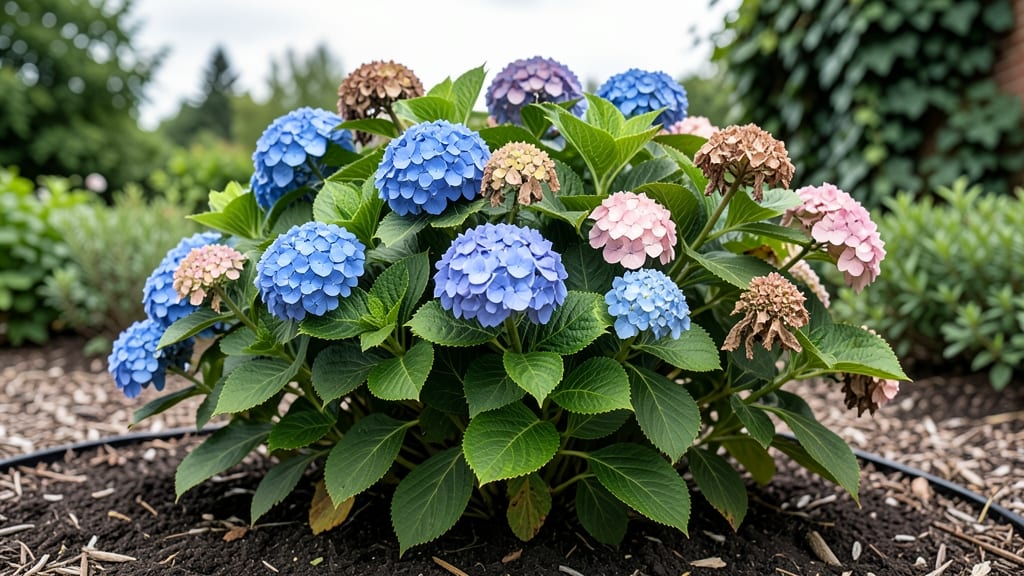
Hydrangeas in Virginia bloom when the heat kicks in—typically late May through July, though varieties like oakleaf hydrangeas may linger into September.
Virginia’s humid summers and hot springs create the perfect conditions for hydrangeas—but timing their bloom depends on variety, sunlight, and soil. Get the exact months your plants will burst with color, plus how to extend their flowering season.
Bigleaf hydrangeas, the most popular in Virginia, usually bloom in June and July, while panicle varieties like Limelight often start in late June. Oakleaf hydrangeas, which thrive in Virginia’s heat, may even rebloom in fall if given the right care.
Here’s how to predict bloom times for your garden, adjust for local microclimates, and keep those 🌸 flowers coming all season long.
Virginia hydrangea bloom timeline by popular variety (heat-triggered schedule)
Virginia’s climate—with its hot summers and humid springs—sets the stage for hydrangeas to thrive, but bloom times vary wildly by variety. Bigleaf hydrangeas, for example, often burst into color in June or July, while panicle types may wait until late summer.
Heat waves can accelerate blooming by 2-4 weeks, while late frosts may delay them. Understanding these patterns helps you plan your garden for maximum impact.
Most hydrangeas in Virginia bloom on old wood (last year’s growth), meaning they set buds in late summer/fall and flower the following year. However, reblooming varieties produce flowers on both old and new wood, giving you two bloom cycles per season.
Let’s break down the exact months for each popular type, plus how to adjust for your local microclimate.
🌡️ Heat matters most: A 90°F+ week in May can push blooms 3-4 weeks early, while a cool June may delay them until August. Oakleaf hydrangeas, for instance, often bloom 2 weeks later in USDA Zone 6a (like the Shenandoah Valley) compared to Zone 8a (Tidewater).
If you’re in Northern Virginia (Zone 7a), expect Bigleaf hydrangeas to bloom in late June, while Oakleaf types may wait until mid-August. In Southside Virginia (Zone 7b), heat triggers earlier blooms—sometimes as early as May for Panicle hydrangeas like 'Little Lime'.
To check your exact zone, use the USDA Plant Hardiness Map and adjust expectations accordingly.
🌱 Pro tip: If your hydrangeas bloom too late, try mulching in early spring to warm the soil faster. For early blooms, plant reblooming varieties like 'Nikko Blue' or 'Cityline Paris'—they’ll give you two flushes of color per season. Just remember: Panicle hydrangeas (like 'Grandiflora') often bloom 1–2 weeks later than Bigleaf types.
Heat waves can also stress hydrangeas, causing buds to drop before opening. To prevent this, water deeply 2–3 times per week during 90°F+ days and avoid pruning in late summer, which removes next year’s buds. Morning watering (before 10 AM) helps blooms last longer by reducing fungal risks.
For gardeners in Virginia’s Piedmont region, where summers are hotter and drier, focus on Smooth hydrangeas like 'Annabelle'—they’re more drought-tolerant and bloom reliably in June–July.
In cooler mountain areas (Zone 6a), Oakleaf hydrangeas shine with their fall foliage and July–August blooms, often lasting until first frost.
To extend your hydrangea season, pair early bloomers (like 'Limelight' panicles in August) with late-season annuals such as mums or asters. This creates a continuous color display from June through October.
Prune spent blooms in late winter (before buds form) to encourage larger, healthier flowers the following year.
Finally, soil pH plays a hidden role in bloom timing. Acidic soil (pH 5.5–6
How Virginia’s climate affects hydrangea blooming (and how to adjust)
Virginia’s humid summers and hot springs create ideal conditions for hydrangeas, but the state’s variable climate can shift bloom times dramatically. Late frosts in USDA zones 6a-7a often delay flowering, while high humidity can accelerate bud development in warmer zones.
Understanding these factors helps you time your care for vibrant blooms.
Your hydrangeas’ bloom schedule depends on three key factors: soil pH, sunlight exposure, and temperature fluctuations.
For example, Bigleaf hydrangeas (like 'Endless Summer') thrive in Virginia’s acidic soil (pH 5.0-6.0) and bloom from June to September, while Oakleaf varieties may start as early as May in milder microclimates.
Adjust your mulching strategy to regulate soil temperature. A 3-inch layer of mulch (like shredded bark) keeps roots cool in summer and warm in winter, which extends bloom season by 2-3 weeks.
In drier inland areas (like Roanoke), hydrangeas may bloom 2 weeks later than coastal varieties due to lower humidity.
Soil pH plays a surprising role—acidic soil (pH 4.5-5.5) produces blue flowers in Bigleaf types, while alkaline soil (pH 6.0+) yields pink blooms.
Test your soil in early spring and amend with sulfur or lime to adjust pH. This simple step can boost bloom intensity by up to 30%.
For longer flowering seasons, feed your hydrangeas with a balanced fertilizer (10-10-10) in early spring and again after mid-summer blooms fade. Avoid high-nitrogen fertilizers, which promote leafy growth over flowers.
Pair this with consistent watering (1-2 gallons per week) to prevent bud drop during Virginia’s hot, dry spells.
If your hydrangeas bloom too late (after July), try this trick: prune spent blooms in early fall to encourage fall reblooming. In warmer zones (7b-8a), this can push blooms into October.
For early bloomers, plant Panicle hydrangeas (like 'Limelight'), which thrive in full sun and often flower by June.
With these adjustments, your Virginia hydrangeas will bloom reliably from late spring to early fall, turning your garden into a colorful oasis all season long. Start with soil tests and mulching—small changes make a big difference! 🌸