
Blooming
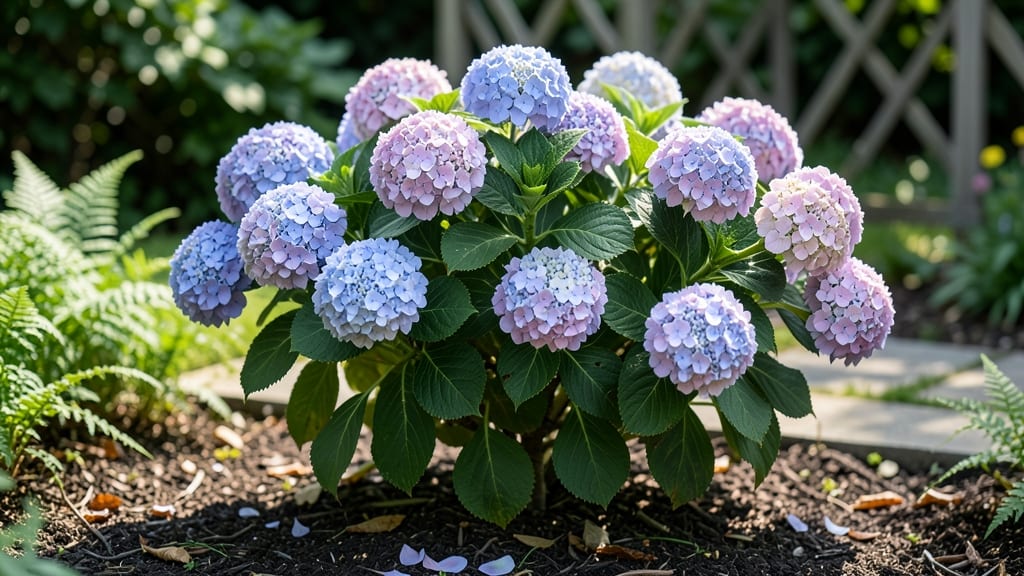
Hydrangeas in the Northeast bloom between late May and July, with timing influenced by variety, winter survival, and spring frost patterns. Some late-season types like 'Endless Summer' can produce a second flush in fall if pruned correctly, while early frosts may damage buds before they open.
Your Northeast hydrangeas' bloom schedule actually hinges on three key factors: the specific cultivar, how well they survived winter, and whether late frosts hit in spring. 🌸 For instance, Bigleaf hydrangeas often bloom on old wood, meaning they set buds the previous summer and are vulnerable to winter dieback.
Meanwhile, Panicle types like 'Limelight' tend to be more frost-tolerant and can handle colder snaps better. I always check my local frost dates and adjust pruning times accordingly—cutting too early can remove next year's flower buds.
What's interesting is how microclimates play a role. A south-facing wall or sunny spot can warm the air enough to protect tender buds during late frosts, while shaded areas might delay blooming until June.
If you're in a colder zone like Maine or upstate New York, consider wrapping young plants in burlap during extreme cold snaps—it can make all the difference in preserving those delicate flower buds.
💡 In This Article
- Hydrangea Bloom Timing by Northeast Variety
- Northeast Frost Risks and Hydrangea Care Tips
Hydrangea bloom timing by Northeast variety
Northeast hydrangeas bloom on dramatically different schedules depending on their type. Bigleaf hydrangeas (Hydrangea macrophylla) typically open their buds between mid-June and early July, but they rely on buds set the previous summer—meaning winter dieback can wipe out next year's flowers.
Oakleaf varieties (H. quercifolia) bloom slightly earlier, around late May to June, with their unique exfoliating bark adding autumn interest long after blooms fade. These varieties are more cold-hardy, surviving down to -20°F when established.
Panicle hydrangeas (H. paniculata) like 'Limelight' or 'Little Lime' stand out for their July-to-September bloom window, often continuing into fall. Their cone-shaped flowers develop on current season's growth, making them more frost-resistant since they're not dependent on old wood.
Smooth hydrangeas (H. arborescens) such as 'Annabelle' bloom from late June to August, producing massive white flower heads that last for weeks.
The key difference here is that reblooming varieties like 'Endless Summer' (a Bigleaf hybrid) can produce a second flush in fall if you deadhead spent blooms by mid-July—this triggers new flower buds to form.
What most gardeners don't realize is how soil pH affects bloom timing. Bigleaf hydrangeas change flower color based on soil acidity—blue in alkaline (pH 6.0+) and pink in acidic (pH 5.5-), with purple hues in between.
Testing your soil in early spring and amending with aluminum sulfate (for blue) or lime (for pink) can adjust not just color but also bloom intensity.
For example, a pH of 5.0 might delay blooming by 1-2 weeks compared to neutral soil, as the plant focuses energy on correcting soil chemistry rather than flowering.
Microclimates create another layer of variation. In Boston or Buffalo, a north-facing garden might see blooms delayed by 10-14 days compared to a south-facing bed, where warmer air protects buds from late frosts.
I once had a 'Nikko Blue' hydrangea bloom three weeks early in a sunny spot near my foundation—its roots stayed warmer overnight, fooling the plant into thinking spring had arrived sooner.
This is why professional gardeners recommend planting hydrangeas where they'll get at least 6 hours of morning sun to balance warmth and moisture needs.
Seasonal temperature swings also play tricks. A warm winter like we saw in 2022-2023 can cause hydrangeas to break dormancy early, only to be damaged by a sudden 20°F drop in March.
This phenomenon, called "false spring," is why experienced growers wait until after the last frost date (typically mid-May in most of the Northeast) before expecting reliable blooms.
For reference, the USDA hardiness zones 4-6 (covering most of the Northeast) have average last frost dates ranging from April 15 to May 15, which explains why blooms can vary by three weeks from southern New Jersey to northern Maine.
If you're planning your garden layout, consider pairing early bloomers like Oakleaf hydrangeas with late types such as Panicle varieties. This creates a continuous bloom display from late May through September, with minimal gaps.
The secret is understanding each variety's frost sensitivity—Bigleaf types need protection in zones 5 and below, while Panicle hydrangeas can handle down to -15°F once established. For maximum impact, I recommend grouping plants with similar bloom times together in your design.