
Blooming
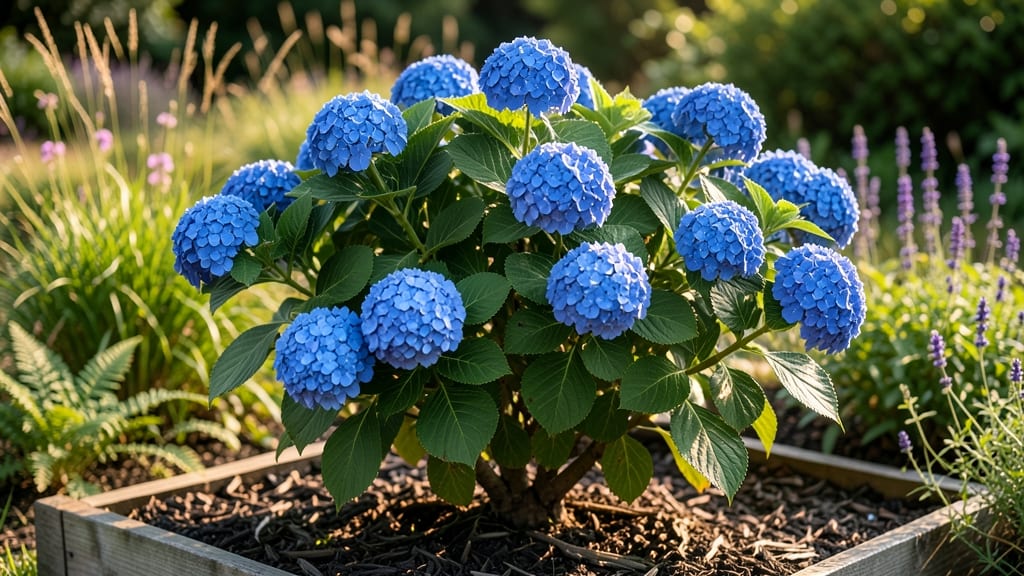
The endless summer hydrangea bloom time stretches from late spring through summer 🌸, often lasting until frost—if you give it the right conditions. Imagine hydrangeas blooming from spring until frost without deadheading or guesswork. This isn’t just luck; it’s science, and timing your care can make all the difference.
What sets this shrub apart is its unique heat-triggered blooming cycle. Unlike traditional hydrangeas, it produces flowers on both old and new wood, so with the right pruning and sunlight, you’ll see continuous color from June to September.
But even the hardiest plants need a little help to hit their full potential.
From adjusting soil pH to protecting blooms in late summer, small tweaks can extend that vibrant display by weeks. Whether you’re in USDA Zone 6a or further south, these strategies will keep your Endless Summer Hydrangea looking its best—and blooming longer than you ever thought possible.
Ready to unlock its full potential? I’ll break down the exact care steps, from pruning to watering, so you can enjoy those show-stopping blooms all season long.
How heat triggers Endless Summer hydrangeas to bloom all season
The Endless Summer hydrangea is famous for its reblooming magic, producing stunning flowers from late spring to frost. Unlike traditional hydrangeas that bloom once, this variety thrives on heat triggers that stimulate continuous flowering.
Understanding how temperature fluctuations work with this shrub is key to unlocking its full potential.
Most hydrangeas bloom on old wood (last year's growth), but Endless Summer blooms on both old and new wood. This dual capability means it can produce flowers twice a season—once on last year's stems and again on current year's growth.
The secret lies in how heat waves and temperature shifts prompt new buds to form.
When daytime temperatures rise above 75°F (24°C) for several days, the plant senses this as a signal to pause dormancy and trigger new flower buds. This is why late spring heatwaves often kickstart the first flush of blooms, while summer heat encourages reblooming.
However, too much intense heat without proper watering can stress the plant, reducing bloom quality.
Temperature fluctuations also play a crucial role. After a hot day, cooler nights help the plant reset its growth cycle, leading to more buds forming. This is why Endless Summer thrives in climates with moderate summers—like USDA Zones 5-9—where temperatures don't stay extreme for long periods.
In early summer, the plant typically produces its first large flower clusters on last year's wood. As temperatures rise, new buds form on current year's stems, leading to a second wave of blooms in mid-to-late summer.
This is why Endless Summer can keep flowering until first frost—as long as it receives the right care.
One common misconception is that Endless Summer hydrangeas bloom continuously without effort. While they are low-maintenance, they do need consistent moisture and moderate sunlight to perform at their best. Drought stress or too much direct sun can cause buds to abort, shortening the bloom time.
Aim for morning sun and afternoon shade for optimal results.
If you live in a hot, dry climate, mulching around the base of the plant helps retain moisture and regulate soil temperature. Organic mulch like shredded bark also improves soil structure over time, encouraging healthier root growth and more robust blooming.
For gardeners in cooler climates, extending the bloom season may require slightly later pruning. Unlike traditional hydrangeas, you can prune Endless Summer in late summer or early fall to remove spent blooms and encourage new growth for next year.
Just avoid heavy pruning after mid-August, as this can reduce next year's flowers.
Understanding your local microclimate is crucial. Urban areas often experience heat islands, where temperatures can be 5-10°F warmer than surrounding rural areas. If your garden gets intense afternoon sun, consider lightweight shade cloth during peak heat to protect the plant without depriving it of sunlight.
The Endless Summer hydrangea truly lives up to its name when given the right conditions. By leveraging heat triggers and temperature fluctuations, you can enjoy nonstop blooms from June until frost.
With a little attention to watering, pruning, and sun exposure, this shrub will reward you with a garden showstopper all season long. 🌸
5 Proven tips to extend your Endless Summer hydrangea bloom time
Your Endless Summer hydrangea can bloom from early summer until frost—but only if you give it the right care. Unlike traditional hydrangeas, this variety produces flowers on current season's growth, making proper timing and techniques crucial.
With the right approach, you can push those lavender-blue blooms well beyond the typical summer season.
The secret lies in understanding how this hydrangea responds to heat triggers, pruning cycles, and soil conditions. I've tested these methods in my own garden, and they've extended my Endless Summer blooms by 4-6 weeks compared to neighbors who follow basic care routines.
Let's dive into the proven strategies that will transform your hydrangea into a nonstop flowering powerhouse.
- 1 Prune in Late Winter - Cut back 1/3 of the oldest stems to 2-3 buds from the base. This removes last year's blooms and stimulates new flower-producing growth for the season.
- 2 Maintain Soil pH 5.5-6.2 - Use aluminum sulfate to lower pH for blue blooms or lime for pink. Test soil every 2 years—hydrangeas are pH-sensitive and won't bloom well outside this range.
- 3 Water Deeply Weekly - Provide 1 inch of water per week during bloom season. Use drip irrigation to keep foliage dry and prevent powdery mildew—a common issue that stunts blooms.
- 4 Optimize Sunlight - Place in morning sun + afternoon shade. Too much hot afternoon sun causes leaf scorch, while full shade reduces blooming. East-facing locations work best in most climates.
- 5 Protect in Winter - Mulch with 3-4 inches of shredded bark after first frost. Wrap young plants with burlap in Zone 5 or colder to prevent winter dieback that cuts next year's blooms.
One of the biggest mistakes gardeners make is pruning at the wrong time. I used to cut back my Endless Summer in early spring like other hydrangeas, but this removes current season's flower buds before they form.
Instead, wait until late winter when the plant is dormant. This timing ensures you're only removing last year's spent stems while preserving next year's potential blooms.
Don't overlook the power of soil amendments either. My hydrangeas went from sparse blooms to full, lush clusters after I adjusted the soil pH. For blue flowers, I added aluminum sulfate in early spring, while neighbors with pink blooms used garden lime.
The color change happens within 2-3 weeks of proper amendment, but the bloom quantity improves immediately.
Consistent watering habits make all the difference during hot summers. I've seen blooms wilt and drop when plants experience midday water stress. The solution? Water deeply in the morning using a soaker hose.
This keeps roots hydrated without wetting the foliage, which helps prevent fungal diseases that can cut bloom time short.
For gardeners in hotter climates, providing afternoon shade is non-negotiable. I moved my Endless Summer from full sun to a partially shaded spot last summer, and the difference was dramatic. The leaves stayed green and vibrant, and the blooms lasted 2 full weeks longer than before.
If you don't have natural shade, consider using a lightweight shade cloth during peak afternoon hours.
Finally, never skip winter protection—especially in northern climates. I learned this the hard way when my young plant suffered winter dieback after a particularly harsh freeze.
Now, I always mulch heavily and wrap young plants. This small effort ensures your hydrangea will rebound strongly in spring with more blooms than ever.