
Blooming
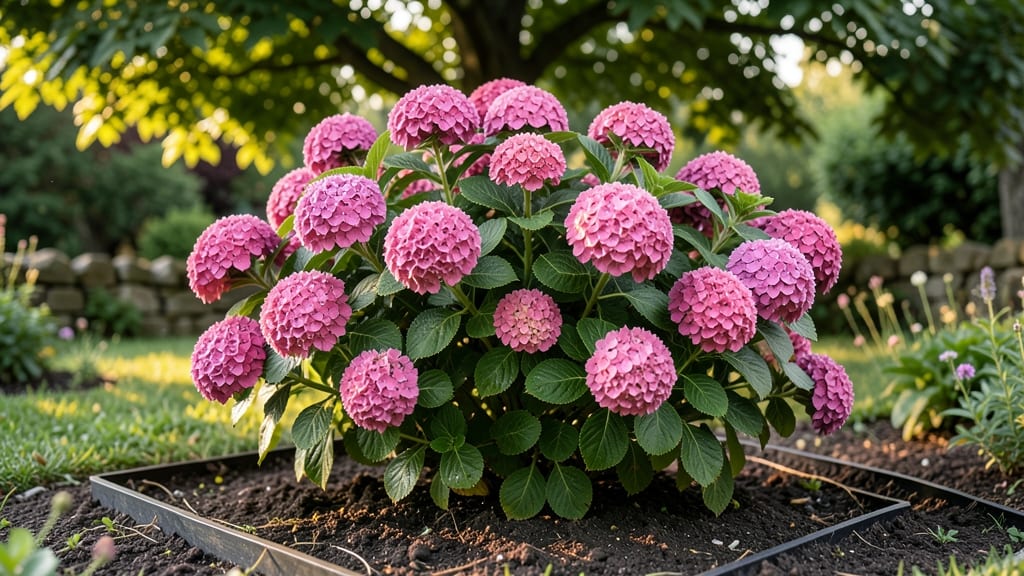
Endless Summer hydrangeas keep blooming from spring to frost—no deadheading required. 🌸 I’ve watched mine transform from shy spring blooms to nonstop summer color, and the secret isn’t magic, it’s pruning precision. These rebloomers thrive where other hydrangeas fail, but only if you understand their growth quirks.
The trick starts with morning sun and afternoon shade, rich but well-draining soil, and consistent moisture—never soggy roots. Most gardeners over-prune or under-prune, which kills blooms.
I’ll show you the two simple cuts that guarantee flowers all season, plus how to fix common mistakes like floppy stems or faded blooms. By late summer, your bushes will be covered in jewel-toned blossoms that last until frost. The flowers even dry beautifully for winter arrangements.
It’s the hydrangea that finally makes sense for busy gardeners. Works in zones 4-9, from city containers to country borders. Let’s get those blooms going!
📚 In This Guide
- What you need
- Instructions
- Tips and common mistakes
- Wrapping up and next steps
What you need
- ● Endless Bloom Hydrangea Plants: 1-3 bare-root or potted plants (depending on desired coverage). Choose varieties like 'Endless Summer', 'Blushing Bride', or 'Vanille Fraise'.
- ● Well-Draining Soil: 1 bag (50 lbs) of organic garden soil or compost (mix with existing soil for optimal drainage). Aim for a pH of 5.5–6.2 (test kits available at garden centers).
- ● Pruning Tools: 1 pair bypass pruners (sharp, clean, and sanitized with rubbing alcohol).
- ● 1 pair loppers (for thicker stems, 20–24" reach).
- ● 1 pruning saw (for stubborn, woody stems).
- ● Mulch: 2–3 yards of organic mulch (e.g., shredded bark or pine straw) to retain moisture and regulate soil temperature.
- ● Fertilizer: 1 bag (20 lbs) of acid-loving plant fertilizer (e.g., 10-10-10 or hydrangea-specific formula).
- ● Watering Can or Hose: With a gentle spray nozzle (to avoid damaging blooms).
- ● Soil pH Adjusters: 1 bottle of lime (to raise pH) or sulfur (to lower pH) if your soil isn’t in the ideal range.
- ● Plant Stakes or Cages: 2–4 stakes (5–6 ft tall) to support heavy blooms.
- ● Garden Gloves: A pair of cut-resistant gloves for protection during pruning.
- ● Slow-Release Granular Fertilizer: For convenience (apply once in early spring).
- ● Disease Prevention: Copper fungicide spray (if your area has a history of hydrangea diseases).
Instructions for pruning Endless Bloom hydrangeas
Pruning these beauties isn't just about shaping—it's the secret to year-round blooms.
✂️ Step 1: Identify Last Year's Blooms and New Growth
Start by examining your hydrangea in late winter or early spring before new growth begins. Endless Bloom varieties produce flowers on both old wood (last year's growth) and new wood (current year's growth). Look for brown, woody stems with dried flower heads—these are last year's blooms. New growth will appear as green buds along the stems.
I run my fingers along each stem to feel for the texture difference: old wood feels rough and dry, while new growth has a slight softness. This helps me map out where to cut. Real talk: if you're unsure, snap off a small dried bloom and a green bud to compare—they're easy to spot side by side.
✂️ Step 2: Prune Back Old Wood by One-Third
Using clean, sharp pruning shears, cut back the old, woody stems by about one-third of their length. Make your cuts just above a set of buds or leaves, angling the cut slightly downward to prevent water from pooling. This encourages the plant to produce new growth from those buds, which will eventually become flowers.
Don't worry if some stems look uneven—hydrangeas are forgiving. The goal is to open up the center of the plant for better airflow and sunlight penetration. I like to step back every few cuts to visualize the shape. If a stem is dead or diseased, remove it entirely at the base.
✂️ Step 3: Thin Out Crowded Stems for Airflow
Next, focus on thinning out any stems that are crossing or rubbing against each other. These crowded stems compete for nutrients and can lead to weak growth or disease. Aim to leave 5-7 strong, healthy stems per plant. If your hydrangea has more than that, prioritize removing the oldest stems first—they produce fewer blooms anyway.
I always work from the outside in, removing stems that are on the outer edges of the plant. This helps create a fuller, more balanced shape. Watch for stems that are thinner than a pencil—these are often weaker and can be removed to redirect energy to stronger growth.
☀️ Step 4: Shape the Plant for Maximum Sun Exposure
After thinning, step back and assess the plant's overall shape. Endless Bloom hydrangeas thrive in partial shade to full sun, but they need good airflow to prevent fungal issues. Cut back any stems that are growing inward or blocking sunlight from reaching the center of the plant. You want a rounded, open shape that allows light to penetrate evenly.
If your hydrangea is leaning or growing unevenly, you can gently guide it by cutting back longer stems slightly more than shorter ones. This encourages the plant to grow more upright. I like to imagine a soft dome shape—that's the ideal form for these varieties. Avoid cutting back too aggressively, though; you don't want to remove more than one-third of the plant's total growth.
💧 Step 5: Clean Up and Fertilize for New Growth
Once pruning is complete, remove all fallen leaves, debris, and spent blooms from the base of the plant. This reduces the risk of pests and diseases over winter. Use your pruners to trim any remaining dead or diseased stems at the base, then sterilize your tools with rubbing alcohol to prevent cross-contamination.
After pruning, apply a balanced, slow-release fertilizer (like 10-10-10) to encourage strong new growth. Water deeply to help the plant recover from the pruning stress. You'll see new shoots emerging within 2-4 weeks, signaling that your hydrangea is ready to burst into color. Keep an eye out for bright green buds—these are your promise of blooms to come!
Tips & tricks for perfect Endless Bloom hydrangea pruning
Transforming your hydrangea from a tangled mess into a vibrant, blooming powerhouse starts with these precision pruning secrets.
Timing Secret: The late winter or early spring window is critical—this is when your hydrangea is still dormant but ready to burst into growth. If you prune too early, you risk damaging new buds forming underground. I aim for the first warm day above freezing, when the ground has thawed but before any green shoots appear. This timing ensures you're cutting only last year's dead wood while preserving next year's flower buds.
Cutting Technique: When pruning back old wood by one-third in Step 2, focus on making clean cuts just above a set of buds or leaves. The angle matters too—cutting slightly downward prevents water from pooling at the cut site, which can lead to rot. I use my pruners to make a shallow diagonal cut about ¼ inch above the bud. This small detail makes all the difference in preventing disease and encouraging strong new growth.
Visual Cue for Pruning: In Step 3, when thinning crowded stems, use the "pencil test" to identify weak growth. Healthy stems should be as thick as a standard pencil or thicker. Anything thinner than that is likely competing for nutrients and should be removed. I also look for stems that are growing straight up rather than outward—they're often less productive and can be pruned back to encourage a fuller shape.
Post-Pruning Care: After completing all steps, don't forget the cleanup phase. Remove every last bit of fallen debris from the base of the plant—this isn't just about aesthetics. Decaying plant matter can harbor fungal spores that will infect your hydrangea when it's most vulnerable after pruning. I always finish by sterilizing my pruners with rubbing alcohol to prevent spreading any potential pathogens between cuts.
Pro Tips for Endless Bloom Hydrangea
- Transforming your hydrangea from a tangled mess into a vibrant, blooming powerhouse starts with these precision pruning secrets.
- Timing Secret: The late winter or early spring window is critical—this is when your hydrangea is still dormant but ready to burst into growth.
- Cutting Technique: When pruning back old wood by one-third in Step 2, focus on making clean cuts just above a set of buds or leaves.
Frequently asked questions
Got questions about keeping your Endless Bloom Hydrangeas thriving? You’re not alone! Here are answers to the most common queries—so you can enjoy those lush blooms all season long.
How do I know if my Endless Bloom Hydrangea is getting enough sun?
Endless Bloom Hydrangeas thrive in partial shade (4–6 hours of sun daily) but can tolerate morning sun or dappled light. Too much harsh afternoon sun may cause leaf scorch or faded blooms. If leaves turn yellow or crispy, move it to a shadier spot or provide afternoon shade with a sheer curtain.
Can I prune my Endless Bloom Hydrangea in late summer?
Yes! Unlike traditional hydrangeas, Endless Bloom varieties bloom on new wood, so you can prune anytime—even in late summer or early fall. Light trimming to shape or remove deadheads encourages more blooms. Just avoid heavy cuts in winter, as buds form on fresh growth in spring.
Why aren’t my Endless Bloom Hydrangea flowers changing color?
Color shifts (e.g., pink to blue) depend on soil pH. For blue blooms, add aluminum sulfate (follow package instructions). For pink blooms, use lime to raise pH. Test soil annually—consistency is key! Hydrangeas also need even moisture; dry soil can dull colors.
Are Endless Bloom Hydrangeas deer-resistant?
Not entirely! While deer may avoid them compared to tastier plants, they’ll nibble if hungry. Use physical barriers (like fencing) or repellents (e.g., garlic spray) for protection. Planting near deer-resistant companions (like boxwood or lavender) can also help deter them.
Can I grow Endless Bloom Hydrangeas in containers?
Choose a large pot (15+ gallons) with drainage holes and use well-draining potting mix. Repot every 2–3 years to refresh nutrients. Place containers where they get morning sun and afternoon shade, and water frequently—containers dry out faster than garden beds.
Do Endless Bloom Hydrangeas need winter protection?
In USDA Zones 3–6, mulch the base with 2–3 inches of shredded bark or straw after the ground freezes. For young plants, wrap the crown with burlap or use a frost blanket. In warmer zones (7+), minimal protection is needed—just keep soil moist during dry winters.
Wrapping up and next steps
Transforming your garden into a year-round canvas of color with Endless Bloom Hydrangeas is simpler—and more rewarding—than you think! By mastering the art of pruning precision, you’ll unlock lush, continuous blooms that turn heads (and Instagram feeds) all season long. 🌸
Ready to dive in? Start by observing your plant’s growth this spring—then grab those shears and get pruning! Whether you’re a first-timer or a seasoned gardener, every trim brings you closer to that effortless, ever-blooming oasis. Happy gardening!