
Blooming
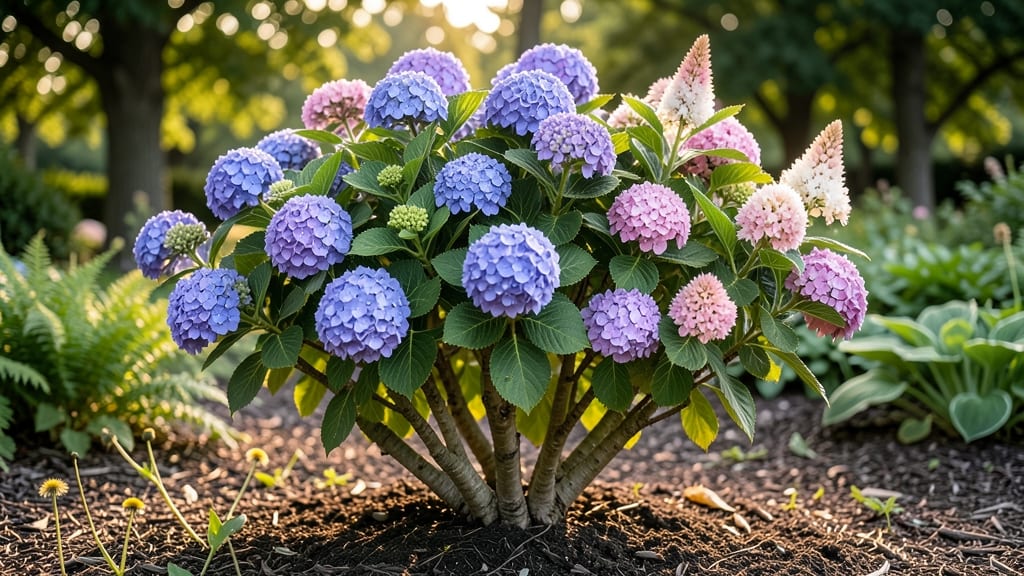
Hydrangeas in Georgia bloom between May and September, but the exact timing depends on your variety and whether you’re in the cooler hills of north Georgia or the hotter lowlands near Atlanta.
Picture this: your 🌸 mophead hydrangeas bursting into color in late May, while panicle types stretch their blooms into early October—if the summer heat doesn’t scorch them first. That’s the kind of variation you’ll see across the state, where a 5-degree difference can mean weeks between blooms.
Most gardeners in zones 7b-8b rely on late spring for their first flush of flowers, but late-summer heat waves can push some varieties into a second round of blooms—if you know how to protect them.
Without the right care, those June heat spikes might turn your hydrangeas into crispy brown skeletons before they even peak.
In this guide, I’ll break down the month-by-month bloom windows for Georgia’s most popular hydrangeas, how to read your plant’s signals for stress, and the 3 simple tricks to stretch your blooms into fall—even in the hottest parts of the state.
Hydrangea bloom times in Georgia by popular variety (with heat impact)
Georgia gardeners know hydrangeas thrive in our humid subtropical climate, but bloom timing varies dramatically by variety. Bigleaf hydrangeas (like 'Endless Summer') often bloom on old wood, while panicle varieties (such as 'Limelight') produce flowers on new growth.
Extreme heat can push blooms earlier or cause late-season reblooming—here's what to expect for your Georgia garden.
Understanding these patterns helps you plan pruning and fertilization for maximum impact. For example, Oakleaf hydrangeas ('Amethyst Falls') may bloom in late spring but reward you with fall foliage too. Let's break down the exact months for Georgia's most popular varieties and how to adjust for our heat waves.
🌸 Visual Guide: Use this comparison table to see at-a-glance bloom windows and heat impacts for Georgia's top hydrangeas.
In North Georgia (Zone 7a), cooler springs often delay blooms by 2-3 weeks compared to South Georgia (Zone 8b). For example, 'Endless Summer' bigleaf hydrangeas may bloom in late May in Athens but appear in mid-May in Savannah.
The key is monitoring your plant's bud formation—when you see tight buds in late April, expect blooms within 3-4 weeks.
Georgia's summer heat can also trigger late-season reblooming in varieties like 'Oakleaf' and 'Endless Summer'. If you provide consistent moisture and light afternoon shade, you might see a second flush of blooms in September or October.
This is especially common during heat waves when plants experience drought stress followed by sudden rainfall.
For panicle hydrangeas like 'Limelight', heat actually works in your favor—they often bloom longer and more prolifically in Georgia's summer. These varieties produce cone-shaped flowers that change color from green to white or pink, adding extended seasonal interest.
The trade-off? They require more water during our 90°F+ heat waves to maintain vibrant blooms.
If you're new to hydrangeas, remember this rule: Prune at the wrong time, and you'll sacrifice next year's blooms. Bigleaf and smooth hydrangeas bloom on old wood, so prune after blooming in late summer. Panicle and some reblooming varieties bloom on new wood, so they can handle late winter pruning before buds swell.
Pro tip: Use a gardening journal to track your hydrangeas' bloom dates year after year. Note when buds form, when blooms appear, and how long they last.
Over time, you'll spot patterns in how your specific microclimate affects bloom timing—whether it's a shady corner that delays blooms or a south-facing wall that brings them earlier.
Don't forget that soil pH dramatically affects bloom color in Georgia's acidic soils. Bigleaf hydrangeas turn blue in acidic soil (pH 5.5 or lower) and pink in alkaline soil (pH 6.5 or
How Georgia’s heat zones (7a-8b) affect hydrangea blooming cycles
Georgia’s USDA zones 7a and 8b create dramatic differences in hydrangea bloom timing. In Zone 7a (northern GA), cooler springs delay blooms until late May or June, while Zone 8b (southern GA) often sees flowers as early as April.
These variations stem from temperature fluctuations that trigger bud formation differently.
The late-winter heat spikes in Zone 8b can push blooms forward by 3-4 weeks, but they also stress plants during peak flowering. Meanwhile, Zone 7a’s prolonged cool periods create a slower, more extended bloom season that lasts into early fall.
Understanding these patterns helps you time pruning and care for maximum impact.
In Zone 8b, late-summer heat waves (above 95°F) can actually extend blooming in varieties like panicle hydrangeas, which produce secondary flowers on new growth. However, this comes at a cost—drought stress causes buds to drop prematurely, especially in Bigleaf hydrangeas that prefer consistent moisture.
Zone 7a’s cooler nights preserve flower quality longer, but the shorter growing season limits reblooming opportunities. If you’re in northern GA, focus on Oakleaf hydrangeas, which naturally bloom later and handle cooler temperatures better than their southern counterparts.
To combat heat-induced stress, mulch heavily in Zone 8b and water deeply twice weekly during peak summer months. In Zone 7a, prioritize morning watering to reduce evaporation and protect blooms from afternoon heat. Both zones benefit from light afternoon shade during July and August.
Monitor your hydrangeas closely in late June, when heat spikes can either trigger early reblooming or cause bud drop.
Adjust care based on your zone—Zone 8b plants may need extra pruning to encourage new growth, while Zone 7a varieties might appreciate delayed pruning until after their main bloom cycle.
By aligning your care with your specific heat zone, you can maximize bloom duration and ensure your hydrangeas thrive year after year. The key is adapting to Georgia’s microclimates—what works in Athens (Zone 8a) may not suit Gainesville (Zone 7b), even though they’re just a few hours apart.