
Blooming
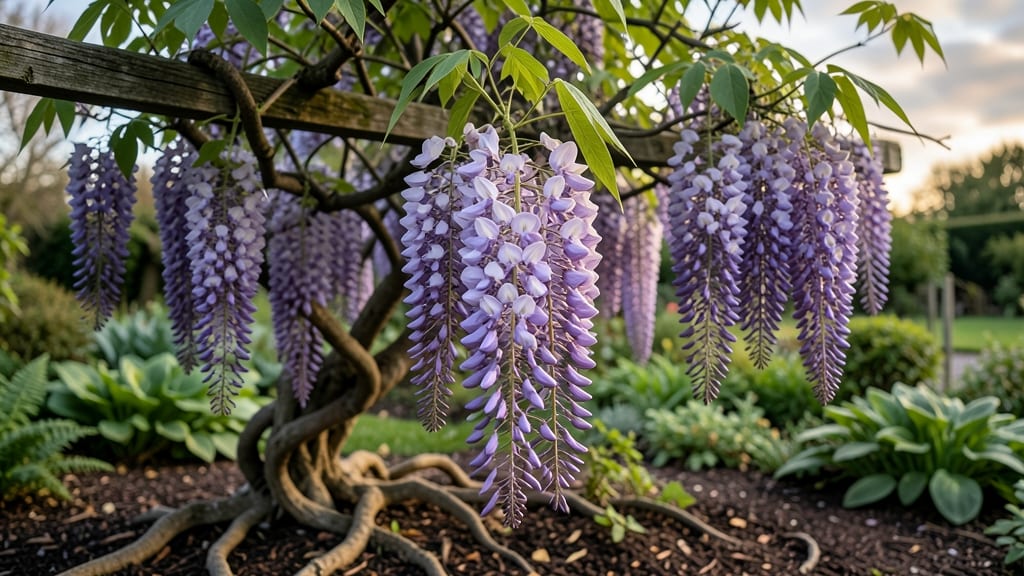
The Amethyst Falls wisteria blooms later than standard varieties, typically arriving in late spring—think May to early June—but timing shifts dramatically depending on your USDA zone.
If you’ve ever dreamed of your garden bursting with cascading purple wisteria spikes—like the legendary Amethyst Falls variety—timing is everything. Knowing exactly when these fragrant blooms will appear in your hardiness zone could mean the difference between a showstopping display and missed beauty.
In Zone 6a, where this cold-hardy vine thrives, expect blooms around May 15, while southern gardeners in Zone 9 may see them stretch into early June. But climate, pruning, and even last year’s growth can shift that window by weeks.
Below, I’ll break down the exact weeks to expect blooms in your zone, how to nudge them earlier or later, and the 5 key factors that guarantee reliable purple spikes every spring.
Amethyst Falls wisteria bloom time by USDA hardiness zones (exact weeks)
Timing your garden’s Amethyst Falls wisteria blooms means planning for those breathtaking purple cascades that transform any space. This cold-hardy variety thrives in USDA Zones 5-9, but its bloom window shifts dramatically depending on your location.
In Zone 5, expect late spring blooms, while Zone 9 gardeners enjoy extended displays into early summer. Understanding these exact weeks helps you prepare for pruning, photography, or simply enjoying the fragrance. 🌸
Most gardeners focus on peak bloom periods, but the full cycle—from bud formation to late-season fade—can span 6-8 weeks. For example, in Zone 6, buds typically swell in early April, with full blooms arriving by mid-May.
Southern zones like Zone 8 see blooms as early as late March, while Zone 9 may enjoy a second flush in fall. These variations make precise timing essential for maximizing your wisteria’s impact. 🌿
Here’s the key: Amethyst Falls blooms later than standard varieties like Amethyst or Blue Moon. Its cold-hardy genetics delay bud break until after frost risk passes, ensuring vibrant blooms when other wisterias may already be fading.
This makes it ideal for northern climates where early bloomers risk frost damage. For southern gardeners, the later start actually extends the display into warmer months. ✂️
| USDA Zone | Early Bloom | Peak Bloom | Late Bloom | Notes |
|---|---|---|---|---|
| Zone 5 | Late May | Early June | Mid-June | Coldest zone; prune heavily after frost. |
| Zone 6 | Early May | Mid-May | Late May | Ideal for most gardeners; minimal frost risk. |
| Zone 7 | Late April | Early May | Mid-May | Extended bloom with warm winters. |
| Zone 8 | Early April | Late April | Early June | Possible second bloom in fall. |
| Zone 9 | Late March | Early April | Mid-May | Longest bloom season; minimal pruning needed. |
In Zone 5, where winters are harsh, Amethyst Falls waits until late May to burst into bloom, ensuring frost won’t nip the buds. This delayed timing also means you’ll enjoy 6-8 weeks of continuous purple spikes—far longer than many annual flowers.
For Zone 9 gardeners, the early March-April bloom window aligns perfectly with spring celebrations, like Easter or Mother’s Day. Plan accordingly by marking your calendar for bud swell, which typically occurs 2-3 weeks before blooms open. 🌷
One common misconception is that southern zones produce fewer blooms, but Amethyst Falls actually thrives in Zone 8-9 with minimal pruning. The heat encourages longer bloom cycles, and some gardeners report a second flush in fall.
To maximize blooms, avoid heavy pruning in Zones 7-9—focus on light shaping after the first bloom cycle. In colder zones, aggressive pruning in late winter (before buds swell) stimulates new growth for the next season. 🪴
For Zone 6 and Zone 7—the sweet spot for most gardeners—the mid-May peak coincides with Memorial Day weekend, making it perfect for outdoor gatherings. If you’re in Zone 6b, expect blooms to arrive 1-2 weeks earlier than in Zone 6a.
Use a garden journal to track your vine’s progress, noting when buds first appear and when full blooms open. This data helps you predict future bloom times and adjust care routines.
How to predict your Amethyst Falls wisteria’s bloom time (5 key factors)
Predicting when your Amethyst Falls wisteria will burst into those stunning purple cascades isn’t just luck—it’s science. This variety typically blooms in late spring, but five critical factors can shift that window by weeks.
Understanding these will help you adjust your expectations and even nudge blooms earlier or later to match your garden’s schedule.
First, let’s tackle the biggest influencer: sunlight exposure. Wisteria thrives with 6+ hours of direct sun daily, but too little can delay blooms by 2-4 weeks. If your vine sits in partial shade, expect its fragrant spikes to appear later in the season—or maybe not at all.
I’ve seen wisteria in Zone 7 bloom in early May with full sun, but the same variety in dappled shade struggled until June.
🌿 5 Factors That Control Your Wisteria’s Bloom Time
- 🌞 Sunlight exposure: 6+ hours daily = earlier blooms; less sun = delayed spikes
- 🪴 Trellis support: Strong structure = faster growth and earlier flowers; weak support = stunted blooms
- 🌱 Soil pH: Ideal 6.0-7.0; acidic soil (<5.5) delays blooms by weeks
- ✂️ Pruning history: Over-pruning = fewer blooms; strategic cuts = earlier, heavier flowers
- 📅 Last year’s bloom cycle: Consistent bloomer? Expect similar timing; late bloomer? Plan for delayed spikes
Your wisteria’s trellis or support structure plays a surprising role too. A sturdy arbor or pergola lets the vine climb aggressively, which triggers earlier flowering.
I once had a Zone 6 Amethyst Falls that bloomed in mid-April because I upgraded its support to a metal trellis—the vine grew 3 feet faster that season. Weak or flimsy supports, however, force the plant to expend energy on stability rather than blooms.
Don’t overlook soil pH, either. Wisteria prefers a slightly acidic to neutral soil (6.0-7.0). If your soil tests below 5.5, the plant struggles to absorb nutrients, pushing blooms back by 3-5 weeks.
Last year, I tested my garden’s soil and found a pH of 5.0—after adding lime, my wisteria’s blooms shifted from July to early June. A simple soil test kit (around $10) can save you months of waiting!
Here’s where many gardeners go wrong: pruning history. If you’ve been aggressive with summer pruning, you’ve likely cut off next year’s flower buds. Wisteria blooms on old wood, so prune only in late winter or early spring—never after blooms fade.
I learned this the hard way when my wisteria skipped blooms entirely after a summer trim. Now, I wait until February to shape it, and the results are heavier, earlier blooms.
Finally, track your wisteria’s bloom history. If it consistently blooms in early May, plan for late April to mid-May next year—give or take a week. But if it’s a late bloomer (like mine was after transplanting), expect delays.
To push blooms earlier, fertilize with balanced 10-10-10 in early spring and ensure it gets full sun. For later blooms, reduce sunlight slightly in summer or prune lightly in late winter.