
Blooming
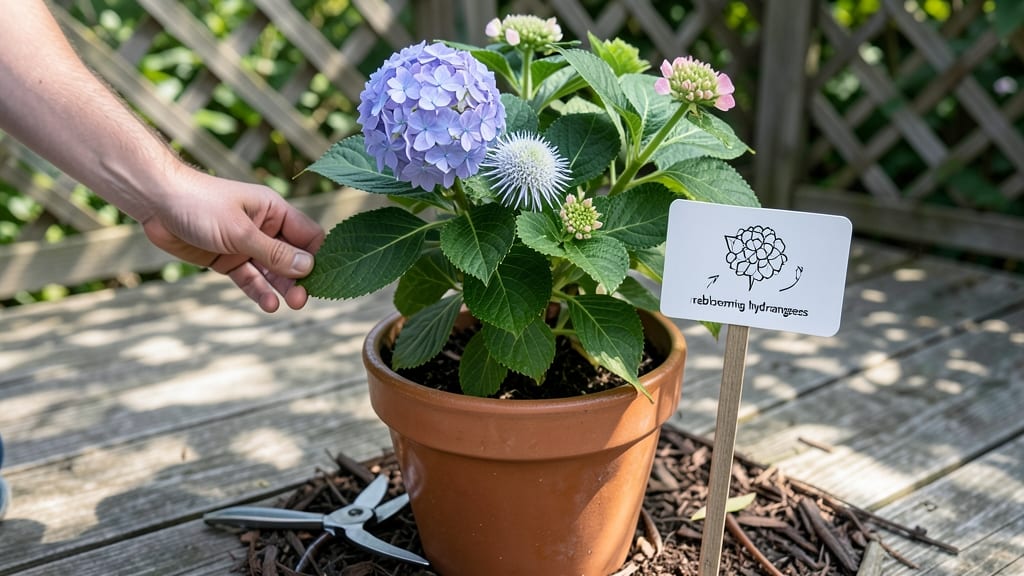
Some hydrangeas bloom more than once annually, depending on the variety—reblooming types like 'Endless Summer' produce two flower cycles per year, while bigleaf and oakleaf hydrangeas typically bloom once on old wood. Proper pruning timing and technique are essential for encouraging repeat blooms.
Not all hydrangeas are created equal when it comes to flowering cycles. 🌸 Reblooming varieties like 'Limelight' and 'Annabelle' produce two distinct bloom periods—once in early summer and again in fall—thanks to their ability to grow new flower buds on current season's growth.
In contrast, traditional bigleaf hydrangeas only bloom once per year on last year's wood, which means aggressive pruning can actually remove next year's flowers. The key difference lies in their growth habits: rebloomers focus energy on new stems, while single-bloomers rely on dormant buds from the previous season.
What truly makes a difference in achieving those second blooms is pruning strategy. For rebloomers, I recommend cutting back stems in late winter or early spring—just after the last frost—to shape the plant while preserving next year's flower buds.
Once-bloomers, however, need a gentler approach: prune immediately after their main bloom cycle ends to avoid removing next year's blossoms. The timing can't be stressed enough—getting it wrong means sacrificing either this year's flowers or next year's potential.
💡 In This Article
- Hydrangea Varieties That Rebloom vs. Single-Bloom Types
- When and How to Prune for Maximum Hydrangea Blooms
Hydrangea varieties that rebloom vs. single-bloom types
The secret to multiple blooms lies in a hydrangea's growth habit. Reblooming varieties like 'Endless Summer' (macrophylla) or 'Limelight' (paniculata) produce flowers on both old and new wood, creating two bloom cycles per year.
This happens because their flower buds form on current season's growth, allowing them to recover and bloom again after the first flush. The science behind this involves their meristematic cells—growth points that remain active longer than in single-bloomers.
In contrast, traditional bigleaf hydrangeas (Hydrangea macrophylla) only bloom once on last year's wood. Their buds form in late summer/fall and remain dormant until spring. If you prune these stems too aggressively, you're essentially removing next year's flowers.
Oakleaf hydrangeas (Hydrangea quercifolia) follow a similar pattern, with their showy blooms emerging from old wood growth. The key difference is in their bud formation timing—rebloomers have a second chance because they develop new buds throughout the growing season.
For gardeners wanting that second bloom, paniculata varieties like 'Little Lime' are excellent choices. These produce cone-shaped flowers that start white and mature to pink, blooming from mid-summer through fall. The trade-off? They require more sunlight (6+ hours daily) compared to bigleaf types that thrive in partial shade.
Rebloomers also need consistent moisture—drought stress can reduce flower production, so mulching helps maintain soil moisture.
Color changes in reblooming varieties add to their appeal. For example, 'Nikko Blue' starts with blue flowers that fade to pink as they age—a phenomenon caused by pH-sensitive anthocyanin pigments reacting with aluminum in the soil.
This dual-color display happens because the plant produces new flowers with slightly different chemical compositions as temperatures shift. The result? A living color palette that evolves throughout the season.
Understanding these growth patterns helps explain why some hydrangeas deliver continuous color while others offer just one spectacular show. Rebloomers like 'Bobo' (paniculata) or 'Vanille Fraise' (macrophylla) are bred specifically to extend the blooming season, often by 8-12 weeks longer than single-bloomers.
The trade-off? They may produce slightly smaller initial flowers compared to their once-blooming cousins.
What most gardeners don't realize is that even within reblooming categories, performance varies by climate. In Zone 5 or colder, some varieties may only produce one reliable bloom cycle due to shorter growing seasons.
The plant's ability to recover from winter stress becomes the limiting factor. This is why local trials and microclimate observations are crucial when selecting varieties for repeat blooms.
For maximum impact, consider planting a mix: use bigleaf hydrangeas for early summer color (June-July) and pair them with reblooming paniculatas for fall interest (September-October). The contrast in bloom times creates a continuous garden display that professional landscapers rely on for seasonal interest. 🌸