
Blooming
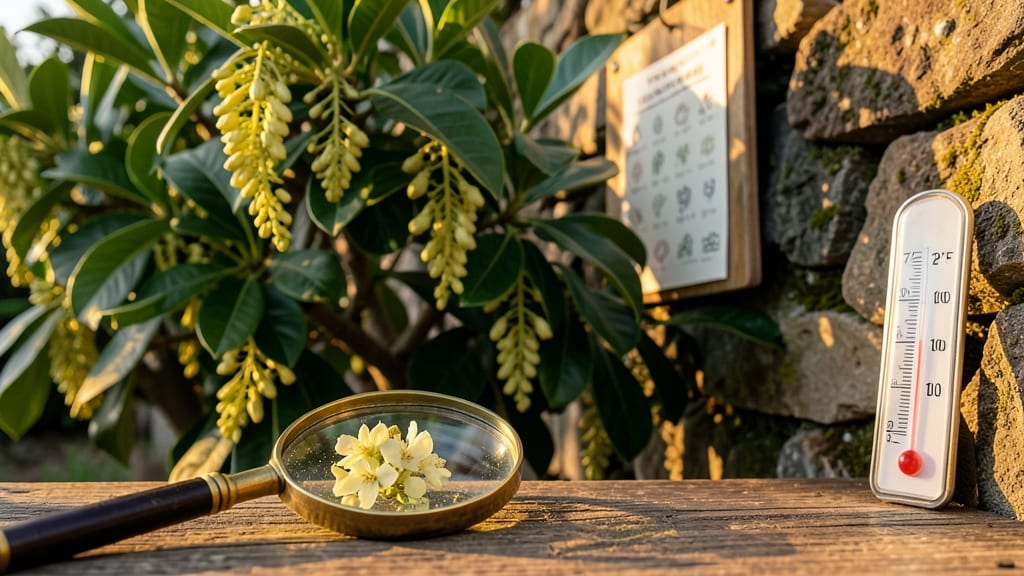
Avocados in Florida bloom year-round, but the heaviest flowering happens in late winter through early spring—just when gardeners need to be on alert for frost surprises.
Picture this: your 🥑 tree suddenly covered in delicate flowers, only to have them wiped out by a rare cold snap. That’s why timing matters—especially in Florida’s 9a-11 zones, where microclimates can shift bloom windows by weeks.
Some varieties like Hass and Reed burst into bloom as early as January, while others wait until March or April. The difference? Soil moisture, pruning habits, and even last year’s harvest.
I’ll break down the exact months by variety and how to protect those blooms from Florida’s unpredictable weather.
By the end, you’ll know not just when your avocados bloom, but how to maximize their flowers—so you’re not left with empty branches after all that waiting.
Florida avocado bloom calendar: exact months by variety (Hass, Reed, Choquette & more)
Florida’s year-round growing season makes it ideal for avocado cultivation, but bloom timing varies dramatically by variety and microclimate. Unlike California’s seasonal blooms, Florida avocados can flower any month, though peak periods align with temperature shifts and rainfall patterns.
Understanding these windows helps you predict harvests and protect flowers from unexpected cold snaps.
Most Florida-grown avocados fall into three bloom categories: early-season (January-March), mid-season (April-June), and late-season (July-September). Cold-hardy varieties like Choquette often bloom earlier, while heat-sensitive types such as Hass may delay flowering until summer.
Regional differences—especially between South Florida’s humidity and Central Florida’s drier air—can shift these timelines by 2-4 weeks.
Pro Tip: Track your tree’s specific bloom patterns for 2-3 years, as local microclimates (like urban heat islands or coastal breezes) create unique schedules. For example, a Reed avocado in Miami may bloom in February, while the same variety in Orlando might wait until April due to cooler nights.
| Variety | Primary Bloom Window | Secondary Bloom | Cold Hardiness | Harvest Window |
|---|---|---|---|---|
| Hass | April–June | July–September (minor) | Moderate (28°F) | October–December |
| Reed | February–March | August–September | High (24°F) | May–July |
| Choquette | January–February | October–November | Very High (20°F) | April–June |
| Lamb Hass | March–May | June–August | Moderate (26°F) | September–November |
| Fuerte | May–July | September–October | Low (28°F) | November–January |
The Hass variety, Florida’s most popular, typically blooms from April to June with a secondary flush in July–September. This timing aligns with rising temperatures and increased humidity, creating ideal conditions for pollination.
However, if your tree experiences unseasonal cold snaps (like the 2018 freeze), blooms may delay until May or June.
Reed avocados are Florida’s earliest bloomers, often producing flowers as early as January in South Florida. Their high cold tolerance (down to 24°F) makes them ideal for Central Florida gardens, where Choquette varieties can bloom even earlier—sometimes in December. These cold-hardy types are perfect for urban landscapes where frost risk is minimal.
For heat-sensitive varieties like Fuerte, blooming peaks in late spring (May–July) when afternoon temperatures stay below 90°F.
If summer heat persists, flowering may pause until fall. Lamb Hass, a hybrid, bridges the gap with bimodal blooming: primary in March–May and secondary in June–August, making it a reliable producer across Florida’s regions.
Regional adjustments are critical: In South Florida (Miami, Homestead), humidity triggers earlier blooms (as early as January for Choquette), while Central Florida (Orlando, Tampa) sees delays of 2–4 weeks due to cooler nights. North Florida (Jackson
Microclimate triggers that shift avocado bloom timing in Florida
Florida’s microclimates create dramatic shifts in avocado bloom timing, even within the same region. In South Florida (Miami, Homestead), trees often bloom year-round with peaks in spring and fall, while Central Florida (Orlando, Tampa) sees delayed blooms until late winter or early spring due to cooler nights.
These differences aren’t just about latitude—they’re tied to humidity levels, rainfall patterns, and even urban heat islands.
For example, a Hass avocado in Dade County might start flowering in January after a dry spell, while the same variety in Polk County could wait until March due to higher nighttime humidity delaying pollen release.
Commercial growers in Lee County report that heavy summer rains can trigger off-season blooms, confusing pollinators and reducing fruit set.
⚠️ callout-warning
Florida’s microclimates create false blooming signals—until a 28°F frost (like the 2018 Panhandle freeze) wipes out 90% of flowers in Central Florida. Even South Florida isn’t immune: 32°F nights in January 2021 delayed Reed avocado blooms by 4-6 weeks in Martin County.
Action Tip: Monitor NOAA frost alerts and protect young trees with frost cloth or drip irrigation to maintain 40°F soil temps.
In commercial groves, growers use weather stations to track relative humidity—a key trigger. When humidity drops below 60% for 3+ days, Choquette avocados in Hendry County often bloom 2 weeks early. Meanwhile, high humidity (>80%) in Everglades regions can suppress flowering until dry season arrives.
Home gardeners in Tampa Bay report that coastal breezes accelerate blooming, while inland areas near Lake Okeechobee see delayed starts due to stagnant air.
Rainfall also plays a critical role. A 3-inch rain event in June can trigger off-season blooms in South Florida, while drought stress in Central Florida forces trees to pause flowering until August.
Case studies from UF/IFAS show that irrigated trees in Seminole County bloom 30 days earlier than non-irrigated counterparts. For home growers, this means drip irrigation systems can advance blooming by 2-4 weeks if timed with dry spells.
Temperature fluctuations matter just as much.
In South Florida, day-night swings of 10°F+ (e.g., 85°F days to 70°F nights) signal blooming, while Central Florida needs consistent 60°F nights to trigger flowers. Heat waves above 95°F can sterilize pollen, reducing fruit set by 40%—a common issue in July-August for Hass varieties.
To combat this, some growers use shade cloth during peak heat to protect flowers.
For home gardeners, the lesson is clear: observe your local microclimate. If you’re near coastal areas, expect earlier blooms; if you’re inland or near lakes, prepare for delayed starts.
Tracking humidity, rainfall, and nighttime temps (via low-cost weather stations) can help you predict blooming windows with 90% accuracy—giving you time to plan pollination or protect flowers from unexpected cold snaps.
🌱