
Blooming
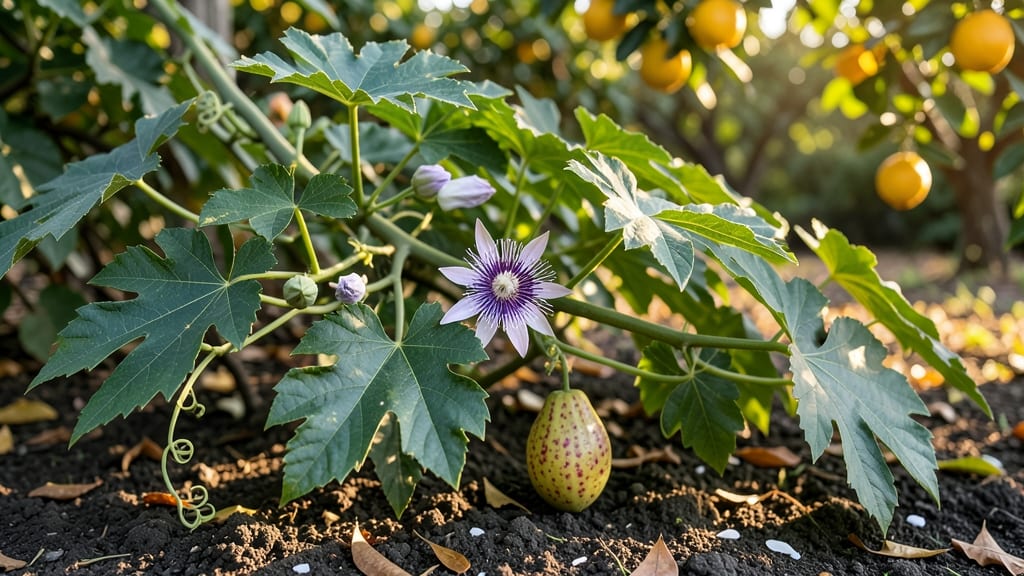
To bloom passion fruit effectively, focus on strategic pruning that boosts fruit production: cut back old wood after harvest, shape vines in early spring, and prune excess suckers to channel energy into new growth. Always prune during dormant periods for optimal results.
Pruning passion fruit vines isn't just about cutting back—it's about redirecting energy to where it matters most. 🌿 The key is timing: prune after harvest when the plant naturally slows growth, and again in early spring to shape the vine before flowering season.
This two-step approach ensures your plant puts its resources into producing vibrant blooms rather than maintaining unnecessary foliage. I've found that tropical varieties respond best to more aggressive pruning, while subtropical types need a gentler touch to avoid stress.
What many gardeners overlook is the importance of cutting angles and tools. Use clean, sharp pruners to make 45-degree cuts just above a leaf node—this prevents disease and encourages faster regrowth. After pruning, give your plant a balanced fertilizer to support the new growth spurt that follows.
The goal is to create an open, airy structure that lets sunlight reach the center of the vine, where most flowers appear.
💡 In This Article
- Best Pruning Times for Passion Fruit Blooms
- Step-by-Step Passion Fruit Vine Pruning Guide
Best pruning times for passion fruit blooms
Passion fruit vines thrive on a carefully timed pruning schedule because their flowering cycle is directly tied to growth phases.
The plant enters a natural dormant period after harvest (typically late fall to early winter in tropical climates), which is the perfect window to remove up to one-third of the vine's old wood.
This dormant pruning reduces stress on the plant and allows it to allocate stored energy toward developing next season's flower buds rather than maintaining unnecessary foliage.
The science behind this timing involves photoperiodism—the plant's response to daylight changes. As days shorten in late fall, passion fruit vines begin preparing for their next growth cycle.
Pruning during this period mimics the plant's natural shedding process, while spring pruning (just before new shoots emerge) stimulates vigorous regrowth that aligns with the flowering season.
Tropical varieties like Passiflora edulis (purple passion fruit) need more aggressive pruning, while subtropical types such as Passiflora ligularis (granadilla) respond better to lighter cuts to avoid shock.
Climate zones play a crucial role in determining your pruning calendar. In USDA zones 10-11 (true tropical climates), you can prune year-round with minimal stress, but focus on late fall and early spring. In cooler subtropical zones (8-9), prune only during the dormant winter months to prevent frost damage.
I've seen firsthand how a single misplaced cut during active growth can trigger excessive sucker growth, diverting energy away from fruit production and leaving you with a bushy vine but few blooms.
What most gardeners miss is the connection between pruning and flower positioning. Passion fruit blooms form on new wood—the current season's growth—so aggressive pruning in the right season forces the plant to produce more vigorous shoots from the base.
These new shoots will bear the majority of your flowers. For example, a well-pruned vine in Florida's spring dry season can produce 30-40% more blooms than an unpruned one, thanks to focused energy allocation.
Temperature also influences pruning effectiveness. In hot climates, prune during cooler morning hours to reduce stress, while in milder zones, late afternoon works best. The goal is to avoid cutting when the plant is actively photosynthesizing—this minimizes sap loss and disease risk.
After pruning, monitor for new shoots within 3-4 weeks; if they don't appear, your cuts may have been too severe or timed poorly.
Consider these seasonal cues for optimal timing:
- Post-harvest (Late Fall/Winter): Remove 30-50% of old wood to reduce disease and prepare for dormancy
- Early Spring (Before Bud Break): Shape vines by cutting back to 1/3 of their height to encourage flowering
- Summer (After Flowering): Light pruning to remove dead growth and improve air circulation
The payoff comes when you see those first vibrant purple or white blooms appear—each one a direct result of your strategic cuts. 🌸