
Blooming
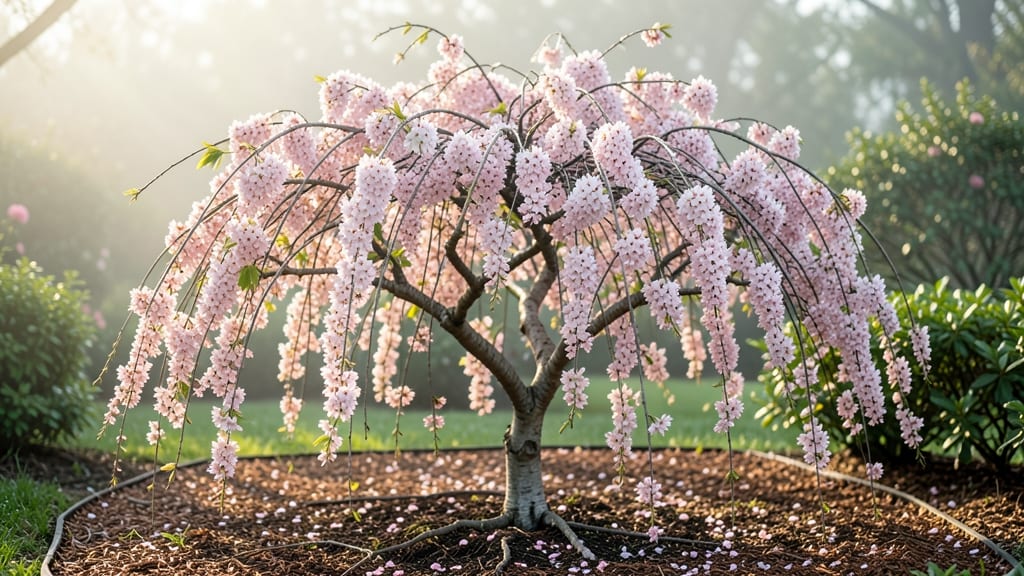
Weeping cherry trees bloom in late spring 🌸, but the exact timing depends on your variety and hardiness zone—some burst into color by April, while others wait until May.
If you’ve ever dreamed of a cascading canopy of pink or white blossoms in your yard, timing your weeping cherry tree’s bloom is everything—but predicting it depends on more than just wishful thinking.
From the earliest bloomers like 'Kwanzan' to late-season varieties like 'Tiedye,' each weeping cherry tree has its own schedule, influenced by your local climate and even last winter’s chill hours.
In this guide, you’ll learn how to pinpoint your tree’s bloom window, spot the signs of bud swell, and adjust care to ensure show-stopping flowers year after year.
When weeping cherry trees bloom: exact timing by variety & hardiness zone
Predicting when your weeping cherry tree will burst into bloom isn’t just about flipping a calendar—it’s a dance between variety genetics, USDA hardiness zones, and local microclimates.
While some varieties like 'Kwanzan' reliably bloom in early April, others like 'Tiedye' might wait until late May, depending on where you live. Even a 5-degree temperature shift can push bloom dates by weeks, so knowing your zone is critical.
Let’s break down the exact timing for popular weeping cherries and how to adjust for your region.
Most weeping cherry trees (Prunus serrulata cultivars) bloom in early to mid-spring, but the exact window varies dramatically. For example, in Zone 5, blooms often appear in late April, while in Zone 8**, they might start as early as February.
This isn’t just about latitude—elevation, urban heat islands, and even nearby water bodies can shift bloom dates by 10 days or more. Understanding these factors helps you plan for peak visual impact or even coordinate with other spring-blooming plants.
🌸 Key Insight: Weeping cherries are late dormancy breakers, meaning they need consistent 50°F+ temperatures for 3–4 weeks before blooming. A late frost can delay or damage buds, so timing matters. Below, we’ll map out bloom windows by variety and how your hardiness zone affects them.
| Variety | USDA Zones | Avg. First Bloom | Peak Bloom Duration | Notes |
|---|---|---|---|---|
| 'Kwanzan' | 5–8 | Late April (Zone 5) / Early March (Zone 8) | 10–14 days | Deep pink blooms; most cold-hardy weeping cherry. |
| 'Skylling' | 5–7 | Early April (Zone 5) / Late February (Zone 7) | 7–10 days | Pure white blooms; earliest bloomer in its zone. |
| 'Tiedye' | 6–8 | Late April (Zone 6) / Early April (Zone 8) | 12–16 days | Bicolor pink/white; heat-tolerant for Zone 8+. |
| 'Pendula' | 4–7 | Mid-April (Zone 4) / Late March (Zone 7) | 14 days | Classic weeping form; needs full sun for best blooms. |
| 'Shidare Yoshino' | 6–9 | Early April (Zone 6) / Late February (Zone 9) | 10–12 days | Fragrant white blooms; drought-sensitive once established. |
Notice how 'Skylling' blooms nearly a month earlier than 'Kwanzan' in Zone 5? That’s why choosing the right variety for your climate is half the battle.
For example, if you’re in Zone 8 and want early blooms, 'Shidare Yoshino' or 'Tiedye' are ideal, while Zone 4 gardeners should opt for 'Pendula' or 'Kwanzan' for reliable spring color. Always check your local last frost date—blooms should appear 2–4 weeks after consistent 50°F+ nights.
Your hardiness zone isn’t the only factor—microclimates can shift bloom dates by weeks. A south-facing wall might push blooms earlier by 10–14 days compared to a north-facing yard. Similarly, urban areas with heat islands can see blooms 3–5 days earlier than rural zones just 20 miles away.
To refine your prediction, track bud swell stages (when buds turn pink) and use local weather apps to monitor nighttime lows.
One common misconception is that older trees bloom later, but age isn’t the main factor—pruning history and soil health play bigger roles. A 5-year-old tree with well-drained soil and balanced fertilization
Predicting your weeping cherry’s bloom time isn’t just about checking a calendar—it’s about reading your tree’s signals and understanding your local climate. First flowers often appear when daytime temperatures consistently reach 45–55°F after winter dormancy. But timing varies by variety and microclimate, so let’s break down the science behind it. Start by knowing your USDA hardiness zone, as this shifts bloom windows by 2–4 weeks. For example, in Zone 5, buds may swell in late March, while in Zone 8, they might not appear until early April. Even within the same zone, a south-facing slope can trigger blooms 10 days earlier than a shady north side. Local weather data is your secret weapon. Tools like the National Weather Service’s 10-day forecasts can help you spot warm spells that trigger blooms. For instance, if temperatures dip below 32°F after buds swell, flowers may drop off—a phenomenon called spring frost damage. Gardening apps like Gardenate or PlantNet take the guesswork out of timing. Simply input your zip code and tree variety, and they’ll give you a personalized bloom forecast. Pro tip: Set reminders for bud break (when buds turn pink) to catch the first flowers. Don’t forget to account for tree age and health. Young weeping cherries (under 5 years old) may bloom 2 weeks later than mature trees. If your tree’s buds look shriveled or blackened, it might be struggling with winter dieback—fix this by improving soil drainage and mulching. With these strategies, you’ll nail your weeping cherry’s bloom time like a pro—no more missed opportunities for springtime photos or butterfly-watching! Start tracking now, and you’ll be the first on your block to admire those dramatic cascades of blossoms. 🌸How to accurately predict your weeping cherry’s first flowers this year
🌱 5 Key Steps to Predict Bloom Time