
Blooming
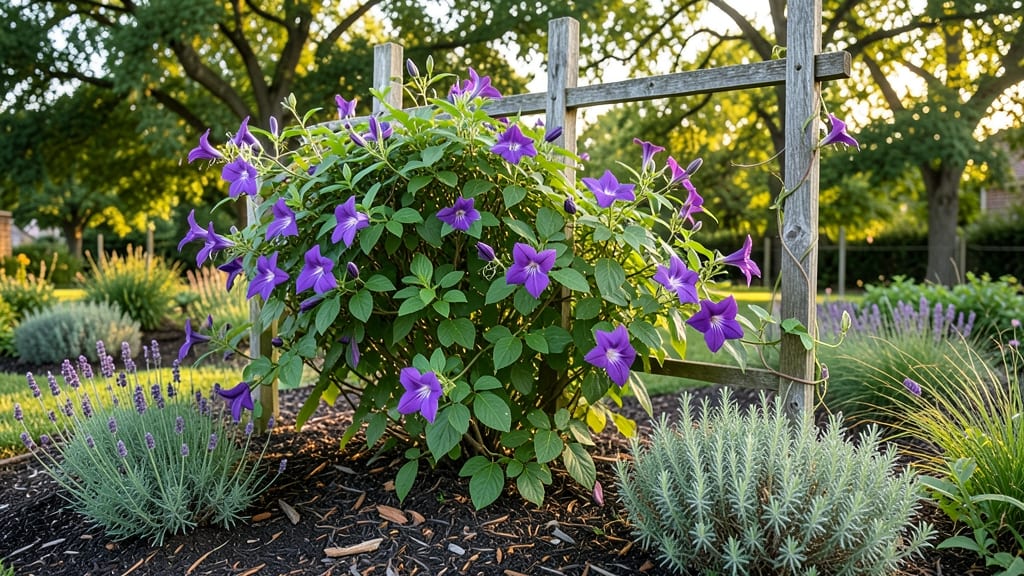
Vines that bloom all summer turn a blank wall into a living tapestry. 🌿 I’ve trained vines like clematis and bougainvillea to climb my pergola, and by June, they’re covered in flowers that last until frost. The secret isn’t just picking the right vine—it’s pairing them with sturdy support and the right sunlight. These powerhouses thrive on trellises, arbors, or even chain-link fences. Clematis needs 6+ hours of sun and a well-draining mix, while bougainvillea loves heat and drought. Plant them near complementary flowers—like salvias or sweet peas—to extend the color show and attract pollinators all season. By late summer, your vertical garden will be a riot of color, with blooms in every shade from vibrant purple to fiery red. The best part? They keep growing, filling gaps and softening harsh lines while giving you shade and privacy. Works for small patios or large backyards—just match the vine to your space and sunlight. Let’s get those blooms started!
📚 In This Guide
- What you need
- Instructions
- Tips and common mistakes
- Wrapping up and next steps
What you need
- ● Reblooming vine plants: 1–3 Clematis (e.g., 'Jackmanii,' 'Niobe,' or 'Durandii'—choose disease-resistant varieties for best results).
- ● 1–2 Honeysuckle (e.g., 'American Beauty' or 'Golden Showers'—fast-growing and fragrant!).
- ● 1 Passionflower (e.g., 'Purple Passion'—exotic blooms that last!).
- ● 1 Morning Glory (e.g., 'Heavenly Blue'—annual but prolific!).
- ● Support structures: 1–2 Trellises (6–10 ft tall, metal or wooden—ensure they’re sturdy!).
- ● OR 1–2 Arbors/pergolass (for climbing vines like clematis—adds charm!).
- ● OR String/zip lines (for lightweight vines like morning glories—budget-friendly!).
- ● Potting soil: 5–10 gallons of well-draining potting mix (add perlite or compost for extra nutrients).
- ● Fertilizer: 1 balanced, slow-release fertilizer (10-10-10 or 20-20-20—follow package rates!).
- ● 1 phosphorus-rich fertilizer (e.g., 5-10-10—boosts blooms!).
- ● Watering tools: 1 watering can or hose with a gentle spray nozzle (deep watering = happy vines!).
- ● Pruning tools: 1 pair of sharp bypass pruners (sterilize with rubbing alcohol!).
- ● 1 hand pruner (for smaller trims).
- ● 1 mulch (2–3 inches of shredded bark or straw—to retain moisture and suppress weeds).
- ● 1 plant tie or soft garden twine (to secure young vines to supports).
- ● 1 soil moisture meter (to monitor watering needs—great for beginners!).
- ● 1 garden journal (to track blooming cycles and pruning schedules).
- ● Decorative accents: solar-powered garden lights or hanging baskets (for extra flair!).
Step-by-Step guide to selecting and planting reblooming vines
Here’s how to pick the best climbing plants for continuous summer color—and keep them blooming like clockwork.
🌱 Step 1: Choose the Right Reblooming Vine Varieties
Not all vines are created equal—look for proven rebloomers like Clematis 'Jackmanii' (purple blooms), Honeysuckle 'Lemon Lime' (citrus-scented flowers), or Passionflower 'Blue Moon' (vibrant, drought-tolerant). These varieties naturally produce multiple flushes of flowers once established.
Check your USDA hardiness zone—some vines, like Star Jasmine, thrive in zones 8-11, while Clematis handles zones 4-9. I always cross-reference with local nursery recommendations to avoid disappointment. For instant color, opt for pre-blooming plants (like Campsis radicans) instead of seeds.
☀️ Step 2: Plant in the Perfect Spot for Continuous Blooms
Most reblooming vines need 6+ hours of sun daily, but avoid midday scorching—morning sun with afternoon shade works best for tropical varieties like Mandevilla. Plant near a trellis, arbor, or fence with sturdy support (vines can grow 10-20 feet in a season!).
Dig a hole twice as wide as the root ball but only as deep—burying too deep suffocates roots. Mix compost into the native soil to boost fertility, which fuels reblooming. Water deeply after planting to settle the roots—1 gallon per plant for small vines, 3 gallons for mature ones.
💧 Step 3: Water and Feed for Nonstop Blooms
Reblooming vines hate dry soil—water deeply 2-3 times per week until established (about 3 months). After that, aim for 1 inch of water weekly, but adjust if your soil drains poorly. I test by sticking my finger 2 inches deep—if it’s dry, water again.
Feed with a balanced, slow-release fertilizer (10-10-10) twice a year: once in early spring and again after the first flush of blooms (usually June). For extra blooms, top-dress with bone meal in spring—it’s high in phosphorus, which encourages flowers. Avoid high-nitrogen fertilizers; they’ll give you leaves, not blooms.
✂️ Step 4: Prune Strategically to Encourage Reblooming
Timing is everything—prune after the first big bloom (usually late spring) to shape the vine and remove dead wood. For spring-blooming varieties (like Clematis), cut back 1/3 of the oldest stems to redirect energy to new growth. For summer-bloomers (like Honeysuckle), trim lightly after each flush to promote bushier, more prolific blooms.
Deadhead spent flowers regularly—this prevents seed formation and signals the plant to produce more blooms. I use clean, sharp pruners and make cuts at a 45-degree angle just above a leaf node. Never prune more than 1/3 of the vine at once, or you’ll shock it into dormancy.
🪴 Step 5: Protect and Maintain for Year-Round Success
Reblooming vines need winter care in colder zones. Wrap tender vines (like Mandevilla) with burlap and mulch heavily around the base to insulate roots. For hardy varieties (like Clematis), prune back dead stems in early spring before new growth starts.
Watch for pests like aphids—they sap energy from blooms. Spray with neem oil at the first sign of infestation. I also rotate trellis supports yearly to prevent disease buildup in the soil. With consistent care, your vines will reward you with color from June through frost.
Tips & tricks for nonstop summer blooms with reblooming vines
Here's what I've learned after years of growing these showstopper vines—tricks that make all the difference between a few summer blooms and a garden bursting with color.
Variety Matters: When selecting your reblooming vine, pay special attention to the specific variety's blooming habits. For example, Clematis 'Jackmanii' produces its first flush in early spring, but with proper pruning (Step 4), it'll reward you with continuous blooms through summer. I've noticed that Honeysuckle 'Lemon Lime' actually blooms more prolifically when given afternoon shade—this helps prevent the flowers from scorching in intense midday sun.
Sunlight Strategy: That 6+ hours of daily sun requirement isn't just about quantity—it's about quality. I recommend positioning your vines to receive morning sun and afternoon shade, especially for tropical varieties like Mandevilla. This creates the perfect balance: enough light for photosynthesis during the cool morning hours, but protection from the hottest afternoon rays that can stress the plant. You'll notice a significant difference in bloom quantity when you get this right.
Fertilizer Timing: The twice-yearly feeding schedule (Step 3) is crucial, but what I've found makes an even bigger difference is the timing of your second application. Instead of waiting until June, I apply my second dose of 10-10-10 fertilizer right after the first flush of blooms appears—usually late May. This gives the plant a phosphorus boost exactly when it needs it to produce more flowers. The key is to avoid high-nitrogen fertilizers at this stage, as they'll encourage leafy growth rather than blooms.
Pruning Precision: When pruning your spring-blooming varieties like Clematis, focus on removing the oldest stems first—they're the ones that produced last year's flowers. I like to make my cuts just above a leaf node at a 45-degree angle, which helps prevent water from pooling and causing rot. For summer-bloomers like Honeysuckle, you can be a bit more aggressive with your pruning after each flush, as these plants produce flowers on new growth.
Pro Tips for Vines That Bloom All Summer
- Here's what I've learned after years of growing these showstopper vines—tricks that make all the difference between a...
- Variety Matters: When selecting your reblooming vine, pay special attention to the specific variety's blooming habits...
- Sunlight Strategy: That 6+ hours of daily sun requirement isn't just about quantity—it's about quality. I recommend p...
Frequently asked questions
Got questions about keeping your garden vibrant with vines that bloom all summer? You’re not alone! Here are answers to the most common queries—from planting tips to troubleshooting—so you can enjoy nonstop color without the guesswork.
Which vines bloom all summer without much effort?
Top low-maintenance picks include Clematis (especially Clematis viticella or Clematis armandii), Honeysuckle (like Lonicera periclymenum), and Passionflower (Passiflora incarnata). These thrive in partial shade to sun and reward you with blooms from early summer through fall. Pro tip: Choose disease-resistant varieties for easier care!
How do I encourage reblooming in my vines?
Most reblooming vines need regular deadheading (snipping spent flowers) and balanced fertilization (high in phosphorus). For Clematis, prune in stages: cut back early bloomers after their first flush, then trim late bloomers in early spring. Avoid overwatering—most vines hate soggy roots!
Can these vines handle full sun or do they need shade?
It depends! Honeysuckle and Passionflower love full sun (6+ hours/day) but tolerate partial shade. Clematis prefers morning sun + afternoon shade in hot climates to prevent scorching. Test your vine’s location: if leaves wilt or flowers fade quickly, it’s getting too much sun.
What’s eating my vine’s leaves or flowers?
Common culprits include aphids (tiny green/black bugs), Japanese beetles (skeletonized leaves), and slugs (chewed holes). Combat them with:
- Neem oil spray (for aphids/beetles)
- Beer traps (for slugs)
- Row covers (early-season protection)
What’s a good alternative if my vine isn’t reblooming?
If your vine struggles, try these reblooming alternatives:
Vine
Bloom Season
Care Level
Star Jasmine (Trachelospermum jasminoides)
Summer–fall
Low (drought-tolerant)
Campsis (Campsis radicans)
Summer–fall
Moderate (aggressive root system)
Wisteria (Wisteria sinensis)
Spring–summer (with training)
High (needs pruning)
Wrapping up and next steps
Transforming your garden into a vibrant, year-round spectacle is easier than you think!
These reblooming vines—like clematis, roses, and passionflowers—deliver nonstop color with minimal effort, proving that beauty and resilience go hand in hand. 🌸 Whether you’re a seasoned gardener or just starting, their adaptability and charm make them the perfect choice for effortless elegance.
Ready to dive in? Start small—pick one vine, test your local climate, and watch your garden thrive with seasonal flair. Happy planting! 🌿✨