
Blooming
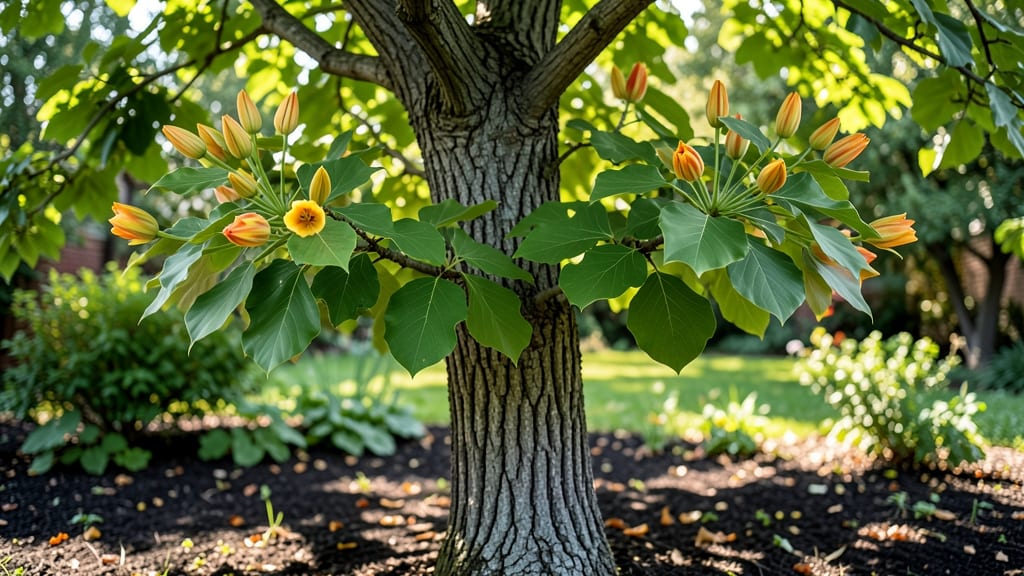
Tulip poplar bloom time arrives in a dazzling late-spring burst 🌳, turning your yard into a fleeting floral spectacle.
If you’ve ever wondered why these towering trees explode with vibrant blooms in late spring—only to drop them within days—you’re not alone. Their flowers follow a precise seasonal rhythm tied to sunlight, temperature, and genetics, making their bloom time both predictable and breathtakingly short.
For gardeners in USDA Zone 6a and beyond, timing is everything. The blooms typically appear in April or early May, but regional variations mean northern areas might see them a week later, while southern zones could catch them as early as March.
Understanding these patterns helps you plan your spring landscaping around their stunning—but brief—display.
In this guide, I’ll break down what triggers their bloom surge, how to predict it, and why their flowers vanish so quickly. Plus, I’ll share tips to ensure your tulip poplar stays healthy for next year’s show.
When and why tulip poplars bloom in late spring
The tulip poplar (Liriodendron tulipifera) is one of nature’s most dramatic spring performers. Its vibrant tulip-shaped blooms erupt in late April to early May in most of the U.S., creating a stunning but fleeting spectacle.
These flowers appear almost overnight, only to drop within 24–48 hours, leaving behind a canopy of lush green foliage. This brief but brilliant display isn’t random—it’s triggered by a perfect storm of sunlight hours, warming temperatures, and the tree’s internal clock.
Understanding this timing helps gardeners anticipate the show and even encourage healthier blooms. Tulip poplars thrive in USDA zones 4–9, but their exact bloom window shifts slightly depending on your region.
In cooler northern zones (like zone 4–5), blooms may arrive in mid-to-late May, while southern zones (like zone 8–9) often see them as early as late March.
The key factor? Consistent daytime temperatures above 50°F (10°C) combined with 12+ hours of daylight—a cue that signals it’s time to flower.
| Region (USDA Zone) | Typical Bloom Window | Triggering Conditions | Duration |
|---|---|---|---|
| Zones 4–5 (Cold Climates) | Mid-to-late May | 50°F+ daytime temps, 13+ daylight hours | 24–48 hours |
| Zones 6–7 (Mid-Atlantic/South) | Late April–early May | 55°F+ daytime temps, 14+ daylight hours | 24–48 hours |
| Zones 8–9 (Deep South) | Late March–April | 60°F+ daytime temps, 12+ daylight hours | 12–36 hours |
The sudden appearance of tulip poplar blooms is a survival strategy. These trees evolved to flower early in spring when few competitors are blooming, ensuring they can attract pollinators like bees and butterflies without competition.
Their short bloom duration also conserves energy—once pollinated, the tree shifts focus to leaf and root growth. The flowers’ sweet, citrusy fragrance is another clue to pollinators, but it’s often overlooked by humans because the blooms vanish so quickly.
If you’ve ever missed the tulip poplar’s bloom, don’t worry—these trees are reliable annual performers once established. However, their timing can shift slightly based on weather.
A late frost or unusually cold spring might delay blooms by 1–2 weeks, while an early warm spell can bring them out sooner. Urban heat islands (like cities) may also trigger earlier blooming, sometimes as much as 10–14 days ahead of rural areas.
One fascinating quirk: tulip poplars often bloom more heavily in even-numbered years. This pattern isn’t fully understood, but it’s thought to be tied to root carbohydrate storage and the tree’s energy reserves. Younger trees (under 10 years old) may produce fewer blooms, as they prioritize growth over reproduction.
Patience pays off—mature specimens (over 20 years) can cover themselves in hundreds of flowers each spring.
To maximize your chances of seeing the show, monitor your tree’s bud development in late winter. Healthy buds swell in February–March, turning a pale green before opening.
If you notice brown or mushy buds, it could signal frost damage or disease (like anthracnose), which might delay or reduce blooming. Keeping the tree well-watered in late winter and avoiding heavy pruning in the previous year can also encourage stronger blooms.
The fleeting nature of tulip poplar flowers makes them a garden conversation piece. Their sudden appearance and disappearance remind us of nature’s efficiency—no wasted energy on prolonged displays.
For gardeners, this means planning ahead: pair tulip poplars with longer-blooming shrubs (like azaleas or dogwoods) to extend your spring color palette. Their distinctive foliage and golden fall color ensure they remain a standout tree year-round.
Pro tip: If you want to photograph the blooms, set a reminder for mid-to-late April in your region and check the tree daily. The flowers often open in the morning and may last until noon—so an early start is key!
Their bright yellow-green petals with orange centers create a striking contrast against the emerging leaves, making them a favorite subject for garden photographers.
For those in cooler climates (zones 4–5), consider planting a tulip poplar near a south-facing wall or fence to capture extra warmth and extend the bloom window. Even a few degrees of added heat can make the difference between seeing blooms in May versus June.
And if you’re in a warmer zone (8–9), you might catch a second, lighter bloom cycle in late summer—though this is rare and less reliable.
Ultimately, the tulip poplar’s late-spring bloom is a reminder of nature’s precision. Their timing isn’t just about aesthetics—it’s a finely tuned survival strategy.
By understanding the sunlight triggers, temperature cues, and regional variations, you can better appreciate (and even influence) this annual spectacle in your own backyard. 🌳
How to predict and enhance tulip poplar bloom timing
Predicting when your tulip poplar will bloom requires understanding its seasonal cues. These trees typically burst into vibrant greenish-yellow flowers in late April to early May—just as new leaves emerge.
However, their short-lived blooms (lasting only 24–48 hours) make timing tricky. By monitoring bud development and adjusting care, you can encourage healthier, more abundant flowers.
Start by observing your tree’s bud swell in early spring. Tulip poplars rely on chilling hours (300–600 hours below 45°F) to trigger blooming.
If your region experiences unusually warm winters, buds may swell prematurely but fail to bloom. Soil moisture and nutrient levels also play critical roles—drought stress or poor soil can delay or reduce flowering.
⚠️ Common Mistakes That Delay Blooms
Over-pruning in late winter removes next year’s flower buds, which form on old wood. Avoid heavy cuts after September—limit pruning to dormant season (December–February).
Compacted or nutrient-poor soil starves roots, weakening bloom production. Test soil pH (ideal: 6.0–7.0) and amend with compost or organic matter if needed.
Ignoring water stress during bud development (March–April) can cause buds to drop. Water deeply once weekly to encourage strong root growth.
To enhance bloom timing, focus on early spring care. Apply a balanced fertilizer (10-10-10) in March to support bud formation. Avoid high-nitrogen fertilizers, which promote foliage over flowers. Instead, opt for phosphorus-rich amendments like bone meal to boost flowering.
Prune strategically to maximize blooms. Remove only dead or crossing branches in late winter. Never prune after June, as this removes current year’s flower buds. Thin the canopy slightly to improve air circulation, reducing disease risk and helping buds thrive.
For regional adjustments, note that tulip poplars in cooler climates (USDA zones 4–6) bloom earlier (late April) than those in warmer zones (7–9), which may bloom in May. If your tree blooms late or poorly, consider mulching in fall to insulate roots and encourage consistent chilling.
Finally, embrace the fleeting nature of tulip poplar blooms. Their short display is nature’s way of rewarding patience—healthy trees produce more abundant flowers over time with proper care. By aligning your gardening practices with their natural rhythm, you’ll enjoy a stunning, if brief, spring spectacle year after year.