
Blooming
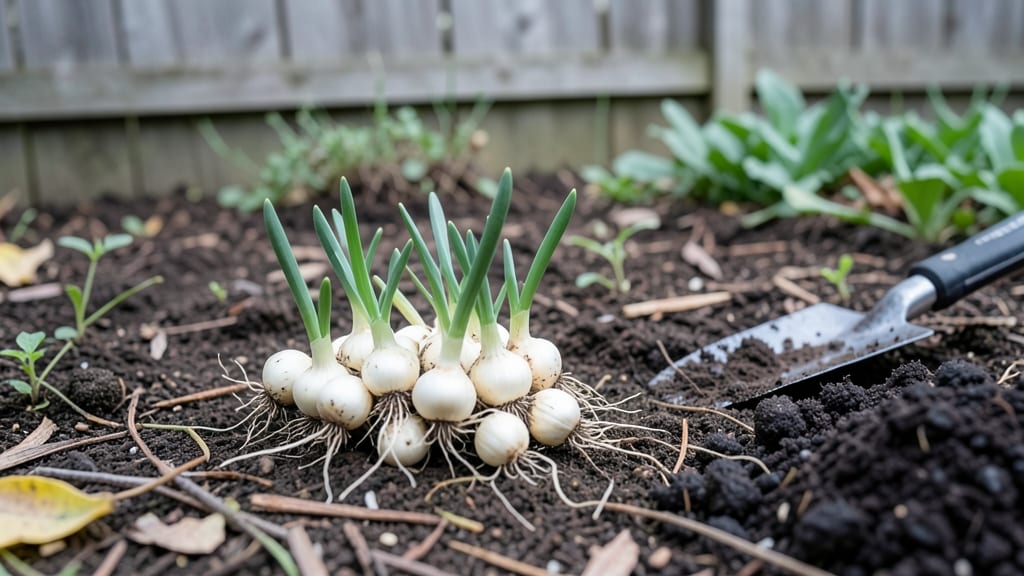
Transplant daffodils not blooming after moving them? I’ve dug up the real reasons why your stubborn bulbs refuse to put on a show—and how to fix it without waiting another year. The frustration hits hardest when you’ve waited months for those bright yellow trumpets, only to stare at bare stems.
It’s not always what you think: sometimes it’s the roots, sometimes it’s the timing, and sometimes it’s something sneaky like soil chemistry.
Here’s the hard truth: daffodils need undisturbed roots to bloom, and if you moved them at the wrong time or without proper care, they’re basically sulking underground. The fix starts with checking when you transplanted them—spring moves are a no-go, but fall is your golden window.
Then there’s the soil: too much nitrogen or compacted dirt can starve the bulbs of what they need to push up flowers. I’ll walk you through how to assess both without guessing.
Once you pinpoint the issue, the solutions are simpler than you’d think. A little extra phosphorus in the soil, a strategic watering routine, and patience (yes, really) can coax those blooms back.
By next spring, you’ll have daffodils so eager to flower, they’ll make up for lost time. Let’s get those bulbs back on track—step by step.
This works for daffodils in garden beds, containers, or even lawns where they’ve gone dormant. The key is consistency: bulbs remember how you treat them. Stick with me, and we’ll turn those stubborn stems into a parade of color by next March.
Why it happens
When you transplant daffodils and they refuse to bloom, it’s often a sign that their basic needs aren’t being met—or that they’re still recovering from the stress of relocation. 🌱 Understanding the science behind these issues can help you diagnose the problem and take targeted action.
Below are the most common culprits, explained in simple terms with actionable insights.
🌡️ Inadequate Chill Hours
Daffodils (Narcissus spp.) are spring ephemerals, meaning they require a period of vernalization—a cold treatment—to trigger flowering. Most varieties need 12–16 weeks of temperatures between 35–50°F (2–10°C) to break dormancy.
If your transplanted bulbs didn’t get enough cold exposure before spring, they’ll focus energy on root growth instead of blooming.
- Why it happens: Bulbs planted in mild-winter climates or moved too late in the season may miss critical chill hours.
- Actionable fix:
- Plant bulbs in fall (6–8 weeks before ground freezes) to ensure they experience natural winter chill.
- In warm climates, store bulbs in a cool, dark place (35–40°F / 2–4°C) for 12–14 weeks before replanting.
- Use artificial chilling (e.g., a refrigerator with ventilation) if natural cold isn’t available.
🌱 Poor Soil or Nutrient Imbalance
Daffodils thrive in well-draining, slightly acidic soil (pH 6.0–7.0) rich in organic matter. If the soil is too compacted, waterlogged, or deficient in key nutrients, bulbs struggle to establish roots and produce flowers.
Over-fertilizing with high-nitrogen feeds (like lawn fertilizer) can also promote leafy growth at the expense of blooms.
- Why it happens:
- Heavy clay or sandy soil fails to retain moisture and nutrients.
- Freshly amended soil (e.g., with compost) may lack the phosphorus and potassium needed for flowering.
- Excess nitrogen tricks bulbs into thinking they’re in a vegetative phase.
- Actionable fix:
- Test soil pH and amend with lime (to raise pH) or sulfur (to lower it) if needed.
- Mix in 3–4 inches of compost or well-rotted manure before planting.
- Use a balanced fertilizer (10-10-10 or 5-10-10) in early spring after blooming, not before.
- Avoid high-nitrogen fertilizers (like 30-0-0) unless you want more foliage.
⚡ Transplant Shock or Root Damage
Daffodils have delicate root systems that absorb nutrients and water. When bulbs are dug up and replanted, even minor root disturbance can trigger stress responses, diverting energy away from flower production. Additionally, bulbs planted too deep or too shallow may not establish properly.
- Why it happens:
- Bulbs left in the ground too long before transplanting develop overcrowded roots that break easily.
- Improper handling (e.g., cutting roots with a shovel) severs vascular connections.
- Planting depth issues: Too shallow = weak anchorage; too deep = rot or failed sprouting.
- Actionable fix:
- Transplant bulbs in early fall when roots are established but before ground freezes.
- Use a bulb planter or trowel to avoid root damage—dig in a 3-inch radius around the bulb.
- Plant bulbs at the correct depth: 2–3 times their height (e.g., a 2-inch bulb goes 4–6 inches deep).
- Water thoroughly after planting to encourage root contact with soil.
☀️ Light or Location Mismatch
Daffodils are sun-loving perennials that need 6+ hours of direct sunlight daily to produce flowers. If transplanted to a shady spot or an area with competition from aggressive plants, they’ll prioritize survival over blooming. Even partial shade can reduce flower counts.
- Why it happens:
- Newly planted bulbs in woodland gardens or under trees get filtered light.
- Overzealous mulching or nearby perennials block sunlight as they grow.
- East-facing beds may get morning sun only, which isn’t enough for daffodils.
- Actionable fix:
- Choose a south- or west-facing location with minimal obstructions.
- Thin out competing plants (e.g., hostas, ferns) that cast dense shade.
- If shade is unavoidable, opt for tolerant varieties like ‘Ice Follies’ or ‘Tête-à-Tête’ (dwarf types).
💧 Watering or Moisture Stress
Daffodils need consistent moisture during root establishment but deteriorate in soggy soil. Too much or too little water can stunt growth and delay—or prevent—flowering. Bulbs also require even moisture during dormancy (fall/winter) to store energy for next year’s blooms.
- Why it happens:
- Drought stress in early spring halts flower bud development.
- Waterlogged soil in winter or spring causes bulb rot.
- Irregular watering leads to uneven root growth.
- Actionable fix:
- Water deeply but infrequently (1 inch per week) during active growth (spring/fall).
- Ensure proper drainage by planting on a slight slope or amending heavy soil with sand/perlite.
- Use mulch (2–3 inches) to retain moisture and regulate soil temperature.
- Avoid overwatering in winter—bulbs need dormant conditions.
How to solve it
Transplanting daffodils can feel like a gamble—what if they refuse to bloom? The good news? Most issues have simple, actionable fixes. Below, we’ve mapped the most common culprits to proven solutions, so you can revive your garden’s golden stars.
Start with the most likely cause, then move to prevention tips to keep future blooms on track.
###
🌱 Problem: Shock from Transplanting
Daffodils need time to adjust after moving. If they’re still struggling months later, they’re likely in shock or haven’t established new roots.
Fix It:
- 💧 Water deeply for the first 2–3 weeks post-transplant. Aim for 1 inch of water per week (more in dry spells). Use a soaker hose to avoid disturbing the soil.
- 🌿 Mulch lightly with 1–2 inches of organic mulch (like shredded bark or compost) to retain moisture and protect roots from temperature swings.
- ⏳ Wait before fertilizing. Hold off until you see new leaves in spring—then apply a low-nitrogen bulb fertilizer (like 5-10-10) to encourage blooms, not foliage.
Prevent It:
✨ Transplant at the right time: Move daffodils in early fall (6–8 weeks before the first frost) or early spring (as soon as soil is workable). Avoid hot, dry weather.
🌡️ Check soil temp: Daffodils prefer soil temps between 40–50°F (4–10°C) for root growth. Use a soil thermometer if unsure.
###
☀️ Problem: Too Much Sun or Heat Stress
Daffodils love sun but can sulk if baked in midday heat or planted in scorching spots. Overheated bulbs may skip blooming entirely.
Fix It:
- 🌳 Provide afternoon shade if your garden is brutally hot. A nearby tree, lattice, or even a temporary shade cloth (30–50% coverage) can help.
- 💦 Increase watering during heatwaves. Water at the base of plants (not the leaves) to avoid fungal issues.
- 🌿 Adjust planting depth if bulbs were too shallow. Dig a trench, place bulbs 6 inches deep (or twice their height), and backfill with amended soil.
Prevent It:
📏 Pick the perfect spot: Aim for full sun (6+ hours/day) in cooler climates or partial shade (morning sun, afternoon shade) in hot zones.
🌡️ Avoid recent landscape changes: If you added hardscapes (patios, driveways) nearby, the extra heat can stress bulbs. Use gravel or mulch to reflect sunlight away.
###
🍄 Problem: Poor Soil or Nutrient Deficiency
Daffodils are tough, but they hate soggy, compacted, or nutrient-poor soil. If your garden soil is heavy clay or sandy, blooms may never appear.
Fix It:
- 🔄 Test your soil (a $10 kit from a garden center works). Ideal pH for daffodils: 6.0–7.0. Amend with lime to raise pH or sulfur to lower it if needed.
- 🌱 Boost organic matter:
- Mix in compost (2–3 inches worked into the top 6 inches of soil).
- Add perlite or coarse sand (1 part) to clay soil to improve drainage.
- For sandy soil, blend in peat moss or coconut coir to retain moisture.
- 💪 Feed at the right time:
- Fall: Apply a bulb-specific fertilizer (high in phosphorus, like 10-20-10) after transplanting to encourage root growth.
- Spring: Once leaves emerge, switch to a low-nitrogen, high-potassium fertilizer (5-10-10) to promote blooms.
Prevent It:
🌱 Build a “bulb bed”: Dig down 12 inches, remove weeds, and mix in compost + perlite before planting. This creates a forever-friendly zone for future transplants.
🚫 Avoid fresh manure: It can burn bulbs and attract pests. Stick to composted organic matter.
###
❄️ Problem: Winter Chill Requirements Unmet
Daffodils need cold stratification—a period of winter chill—to trigger blooming. If your climate is too mild or bulbs were dug up too early, they may never flower.
Fix It:
- 🌡️ Verify chill hours:
- Most daffodils need 12–16 weeks below 40°F (4°C). Check your USDA zone:
- Zones 3–6: Likely enough chill; focus on soil prep.
- Zones 7–9: Plant in the coolest, shadiest spot possible or use black plastic mulch in winter to drop soil temps.
- Zones 10+: Try paperwhite daffodils (they bloom without chill) or simulate chill by storing bulbs in a fridge for 8–10 weeks before planting.
- 🌿 Mulch for insulation:
- Apply 4–6 inches of straw or leaves after the first frost to protect bulbs.
- Remove mulch in late winter (when daffodil leaves start to green) to let sunlight warm the soil.
Prevent It:
🗓️ Plant early in fall: In warm climates, get bulbs in the ground by October to maximize chill exposure.
🌡️ Monitor microclimates: North-facing slopes or low spots stay cooler longer—ideal for daffodils in mild winters.
###
🐜 Problem: Pests or Diseases Sabotaging Growth
Squirrels, rodents, slugs, or fungal issues can steal nutrients or damage bulbs before they bloom.
Fix It:
- 🐭 Protect bulbs from critters:
- Use chicken wire cages (6 inches deep) around new plantings.
- Apply granular repellent (like hot pepper wax or castor oil-based sprays) to deter squirrels.
- Set up beer traps (bury a shallow dish of beer) for slugs and snails.
- 🍄 Treat fungal issues:
- If leaves turn yellow or mushy
Frequently asked questions
Why do my daffodils refuse to bloom after transplanting?
Transplanting can disrupt their delicate root systems, causing stress that delays blooming. Daffodils need undisturbed roots and proper winter chill (12–16 weeks below 40°F) to trigger flowers. If moved at the wrong time or without care, they’ll focus energy on recovery instead of blooms.
When is the best time to transplant daffodils for blooming success?
Early fall (6–8 weeks before frost) is ideal—bulbs need time to establish roots before winter chill. Avoid transplanting in spring or summer, as bulbs won’t get enough cold exposure to bloom that year. Warm climates may need artificial chilling (like fridge storage) for 8–10 weeks.
How can I fix poor blooming due to soil issues?
Test your soil’s pH (aim for 6.0–7.0) and amend with compost or perlite for drainage. Skip high-nitrogen fertilizers—they promote leaves, not blooms. Instead, use a 5-10-10 fertilizer after leaves emerge in spring to encourage flowers.
What if my daffodils get too much sun or heat?
Daffodils love sun but can stress in extreme heat. Provide afternoon shade in hot climates, water deeply during heatwaves, and ensure bulbs are planted 6 inches deep for stability. Mulch lightly (1–2 inches) to regulate soil temperature.
Can I save daffodils that haven’t bloomed in years?
Cut back yellowing leaves in late spring, then fertilize lightly with phosphorus. If bulbs were dug up too early, replant them in fall with proper depth and mulch. Patience pays off—healthy bulbs often bloom abundantly the following year!