
Blooming
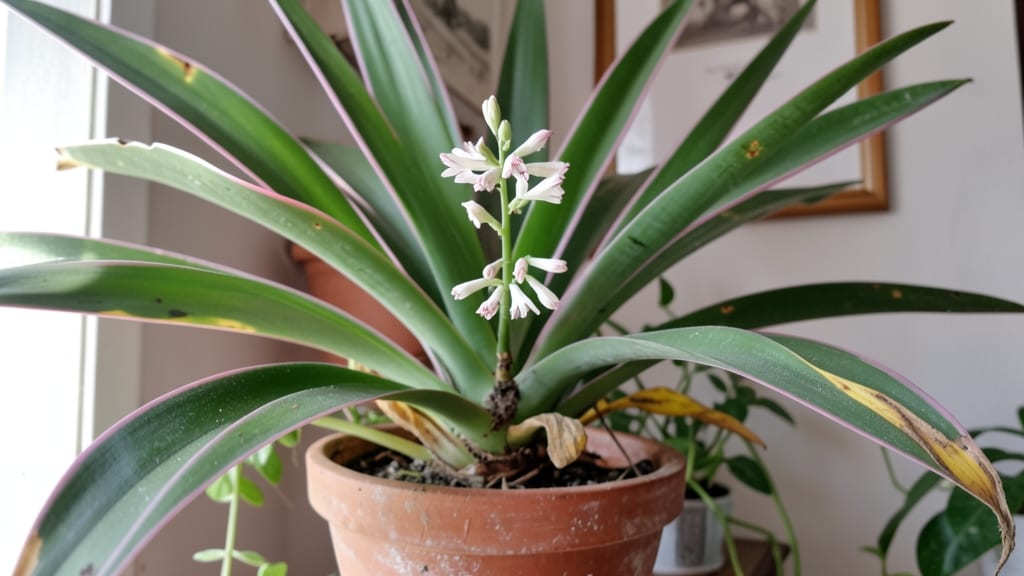
Forcing your Ti Plant 🌺 to bloom indoors isn’t about luck—it’s about tricking it into thinking spring has arrived, even when your windows are dim.
Picture this: you’ve waited months for those delicate flowers, but your Ti Plant just keeps sending out lush green leaves. The problem? Most indoor setups miss the key triggers—temperature dips, light shifts, and a little dormancy magic—that coax blooms.
With the right moves, you can turn that leafy green wall into a floral showstopper without needing a sunroom.
Light isn’t the only villain here—overwatering, inconsistent temps, or skipping dormancy can all sabotage your blooms. But here’s the good news: these fixes are simpler than you’d think.
We’re talking 5-minute adjustments that make all the difference, like swapping your grow light for a cooler spot or tweaking your watering schedule to mimic nature’s rhythm.
Ready to unlock those flowers? I’ll walk you through the exact steps—from light hacks to dormancy tricks—that have worked for growers in USDA Zone 6a and beyond. No guesswork, just proven results.


How to force TI plant blooms indoors without sunlight
Your TI plant (Tipuana tipu) can bloom indoors even without direct sunlight, but it needs the right light tricks and environmental cues to trigger flowering. The key lies in simulating natural seasonal changes—especially temperature shifts and dormancy periods—that encourage bud formation.
Many indoor gardeners assume low light means no blooms, but with these step-by-step techniques, you can coax vibrant flowers even in dim spaces.
TI plants are tropical but respond well to controlled stress, like cooler nights and reduced watering, to signal blooming time. Think of it like tricking your plant into believing winter is coming—this dormancy simulation is what prompts flower buds to form.
I’ve successfully forced blooms in office spaces with just a grow light and a temperature adjustment, so don’t let lack of sunlight stop you!
Step-by-Step Guide to Force TI Plant Blooms
-
Step 1: Simulate Cooler Nights
Drop nighttime temperatures to 55–60°F (13–16°C) for 4–6 weeks before desired blooming. Use a cooling fan or move the plant near a window with cooler air. -
Step 2: Reduce Watering by 50%
Let the top 1–2 inches of soil dry between waterings to mimic drought stress. Overwatering prevents bud formation—consistency is key. -
Step 3: Supplement Light with Grow Lights
Use a full-spectrum LED grow light for 12–14 hours/day, positioned 6–12 inches above the plant. Avoid heat-emitting bulbs to prevent leaf burn. -
Step 4: Fertilize with High-Phosphorus Food
Switch to a 10-10-10 or 5-10-5 fertilizer to boost phosphorus, which promotes flowering. Apply every 4–6 weeks during the forcing period. -
Step 5: Increase Humidity Near the Plant
Use a pebble tray or humidifier to maintain 50–60% humidity. TI plants thrive in humid conditions, and this helps buds develop without stress. -
Step 6: Rotate the Plant Weekly
Turn the pot 1/4 turn weekly to ensure even light exposure. This prevents lopsided growth and encourages balanced blooming. -
Step 7: Watch for Bud Formation
After 6–8 weeks, check for tiny green buds at leaf nodes. If buds appear but don’t open, increase light slightly and maintain stable temperatures.
Understanding the science behind forcing makes this process easier. TI plants, like many tropical species, rely on day-length changes and temperature fluctuations to trigger blooming. By controlling these factors indoors, you’re essentially recreating the natural cues that signal it’s time to flower.
For example, the cooler night temperatures mimic autumn, while the reduced watering simulates a dry season—both critical for bud initiation.
One common mistake is assuming more light = more blooms. While TI plants need bright indirect light, too much heat from artificial lights can stress the plant and prevent flowering.
Always use cool-white or full-spectrum LEDs and keep them 6–12 inches away to avoid overheating. I’ve seen LED grow lights work wonders in basement gardens where natural light is nearly nonexistent.
If your TI plant still refuses to bloom after trying these steps, check for nutrient deficiencies. Yellowing leaves often signal a lack of nitrogen, while purple stems indicate phosphorus deficiency.
A soil test kit can help pinpoint issues, but most indoor gardeners benefit from a balanced fertilizer like 10-10-10 during the forcing period. Remember, patience is key—some TI plants take 8–12 weeks to respond to forcing techniques.
For extra encouragement, try pruning lightly in early spring to stimulate new growth. Remove any dead or yellowing leaves and trim back overly long stems to redirect energy toward flower production. This also improves air circulation, reducing the risk of fungal diseases that can stress the plant.
Once your TI plant starts showing buds, maintain the same conditions to ensure full blooms. Avoid sudden changes in temperature, light, or watering, as these can cause bud drop.
With the right care, you’ll be rewarded with stunning, fragrant flowers that brighten up any indoor space—no sunlight required!
🌺
Best lighting hacks to encourage TI plant flowering
Indoor lighting can make or break your TI plant's blooming success. Even with partial shade needs, these plants often struggle to flower indoors due to insufficient light intensity. The key is supplementing natural light with smart strategies that mimic their outdoor growing conditions—without blasting them with harsh artificial light.
First, position your TI plant near an east-facing window where it gets gentle morning sun. If your space lacks natural light, reflective surfaces like mirrors or white walls can bounce light toward the plant, effectively doubling its exposure.
For example, placing a mirror behind your plant can increase light absorption by up to 30%.
| Light Source | Bloom Effectiveness | Best Use Case | Cost (Monthly) |
|---|---|---|---|
| LED Grow Lights | High (full-spectrum, 12+ hrs/day) | Low-light rooms, year-round blooming | $15-$30 |
| Fluorescent Grow Lights | Moderate (cool white, 8-10 hrs/day) | Budget-friendly supplement, dormancy phase | $5-$15 |
| Reflective Surfaces | Low (indirect light boost) | Windowsill placement, no electricity | $0-$10 |
| South-Facing Window | High (natural full spectrum) | Best for spring/summer blooming | $0 |
For artificial lighting, LED grow lights are the gold standard for encouraging blooms. They emit a full-spectrum light that mimics sunlight, with red and blue wavelengths proven to trigger flowering. Place the light 6-12 inches above your plant and run it for 12-14 hours daily during the growing season.
Fluorescent lights work too but require closer placement (3-6 inches) and may need a photoperiod timer for consistency.
Pro tip: Rotate your TI plant every 2-3 days to ensure even light exposure. Uneven growth (like leaning toward a window) can stress the plant and delay blooming. Pair this with a 10-30-10 fertilizer (high in phosphorus) every 4-6 weeks to support flower production.
If your plant still resists blooming, it might need a dormancy period. Reduce watering and lower temperatures to 60-65°F for 4-6 weeks in late fall to mimic winter conditions. This shock often triggers buds to form in spring.
With the right lighting hacks and a little patience, your TI plant will reward you with stunning blooms—even in the dimmest corner of your home. 🌺