
Blooming
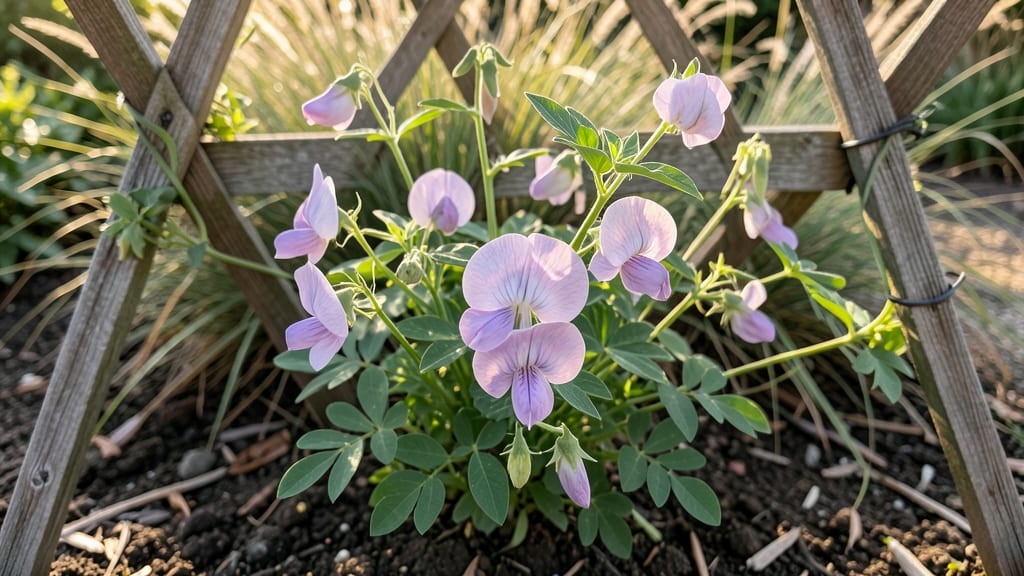
Sweet peas bloom in late spring to summer, but timing depends on whether you choose single-blooming or reblooming varieties 🌸—and getting it wrong means missing out on weeks of fragrant flowers.
Picture this: you’ve spent weeks tending to your vines, only to watch a single flush of blooms fade in a matter of days. That’s the reality for gardeners who plant the wrong type—or worse, skip the care that keeps them flowering longer.
In this guide, I’ll break down the exact bloom windows for each variety, how climate and planting time shift those dates, and the simple tricks to stretch your sweet peas’ season from June to August (or even later).
You’ll learn which varieties stay in bloom longer, how to prune for more flowers, and why deadheading isn’t just optional—it’s the secret to a second (or third!) flush of vibrant blooms.
Sweet pea bloom time: single vs reblooming varieties compared
Choosing between single-blooming and reblooming sweet peas depends entirely on your bloom time goals. Single-blooming varieties produce one spectacular 6-8 week flush of flowers, while rebloomers deliver continuous blooms from late spring through summer. The difference can mean weeks of fragrance or just a fleeting season of color.
For gardeners in cool climates (USDA zones 3-6), single-blooming varieties often perform best, offering longer individual blooms that last 7-10 days per flower. In warmer zones (7-10), reblooming types thrive better, producing smaller but frequent blooms that extend your display.
Understanding these differences helps you plan your planting schedule and trellis support accordingly.
| Feature | Single-Blooming Varieties | Reblooming Varieties |
|---|---|---|
| Bloom Duration | 6-8 weeks total | 8-12 weeks continuous |
| Individual Bloom Lifespan | 7-10 days per flower | 3-5 days per flower |
| Peak Bloom Period | Late spring (4-6 weeks) | Late spring to early fall |
| Ideal Planting Window | Feb-Mar (cool climates) | Feb-Apr (warmer climates) |
| Climate Suitability | Zones 3-6 (cool) | Zones 5-10 (mild-warm) |
| Flower Size | Large (2-3 inches) | Medium (1.5-2 inches) |
| Maintenance Needs | Low (one-time care) | Moderate (regular deadheading) |
| Best For | Cut flower arrangements | Long-term garden displays |
If you're planting for cut flowers, single-blooming varieties like 'Cupani' or 'Perfume' deliver showstopping stems that last 7-10 days in a vase. These varieties focus all their energy on producing large, dramatic blooms in one concentrated period, making them ideal for weddings or floral arrangements.
The trade-off? You'll only enjoy this abundance for 4-6 weeks before the season ends.
For continuous garden color, reblooming sweet peas like 'Matucana' or 'Oregon Sugar' are unbeatable. They produce smaller but prolific blooms every 10-14 days, extending your display from late May through July.
In warmer climates, some varieties even rebloom into early fall, giving you 3-4 months of fragrance and color.
Your planting timing makes all the difference. For single-bloomers, aim to sow seeds 8-10 weeks before your last frost date—typically February in most regions. Rebloomers benefit from a slightly later start (March) because their extended bloom period compensates for any slight delay in initial flowering.
In Zone 7+, you can even try fall planting for rebloomers to enjoy winter blooms in mild climates.
Don't overlook the role of climate conditions. Single-bloomers thrive in cool spring temperatures (50-65°F) and may struggle in hot summers, while rebloomers handle moderate heat better (up to 80°F).
In humid climates, rebloomers often outperform single types because their continuous growth habit helps them outpace fungal diseases that affect over-mature blooms.
One critical care difference is deadheading. With single-bloomers, you only need to remove spent flowers once at the end of their bloom cycle. Rebloomers, however, require weekly deadheading to encourage new buds. This 30-second task per plant keeps them producing new blooms every 10-14 days throughout
How to extend sweet pea bloom time with proper care
Sweet peas are one of those magical flowers that reward gardeners with their heavenly fragrance and vibrant colors, but their bloom time can feel disappointingly short if you don’t give them the right care.
The key to longer blooming periods lies in understanding their needs—whether you’re growing single-blooming varieties (one flush of flowers) or reblooming types (continuous flowers). With the right techniques, you can stretch those blooms from early spring well into summer.
I’ve found that combining proper pruning, nutrient-rich soil, and consistent deadheading can transform a sweet pea plant from a one-time showstopper into a season-long floral display.
The secret isn’t just one trick—it’s a combination of watering discipline, supportive structures, and timely interventions to keep your plants thriving. Let’s break down the exact steps to maximize your sweet peas’ bloom time.
🌸 5 Essential Steps to Extend Sweet Pea Bloom Time
- 🌱 Prune regularly to encourage new growth and prevent overcrowding. Trim back spent blooms and yellowing leaves to redirect energy to flowering.
- 💧 Water deeply in the morning to keep soil consistently moist but never waterlogged. Reblooming varieties need more frequent hydration during hot spells.
- ✂️ Deadhead daily by pinching off faded flowers just above the first set of leaves. This trick tells the plant to produce more blooms instead of seed pods.
- 🌿 Fertilize lightly every 4-6 weeks with a balanced 5-10-10 fertilizer. Avoid over-fertilizing, which can lead to leafy growth over flowers.
- 🪴 Provide sturdy trellises to support vines and improve airflow. Good circulation reduces disease risk and keeps plants healthier longer.
One of the biggest mistakes I see gardeners make is skipping the pruning step. Sweet peas are vigorous climbers, and if left unchecked, they’ll put all their energy into long, leggy vines instead of producing more flowers.
I recommend pruning every 2-3 weeks during the growing season. Use clean, sharp pruning shears to cut back overgrown stems by about one-third to encourage bushier growth.
For reblooming varieties, deadheading is non-negotiable. These types are bred to keep producing flowers, but they’ll stop if they’re allowed to go to seed. I make it a habit to check my sweet peas every morning and snip off any spent blooms with my fingers or shears.
This simple act can double or even triple your bloom time. Pro tip: Wear gloves—sweet pea foliage can be prickly!
Don’t overlook the power of soil nutrients. Sweet peas thrive in well-draining, slightly acidic soil with plenty of organic matter. Before planting, mix in compost or aged manure to give your plants a nutrient boost.
During the growing season, a light feeding every 4-6 weeks with a balanced fertilizer keeps them blooming strong. Just remember: Less is more—too much fertilizer can lead to fewer flowers and more foliage.
Finally, pay attention to your watering schedule. Sweet peas need consistent moisture, especially during their blooming phase. Water deeply in the morning to reduce evaporation and prevent fungal diseases.
In hot climates, you might need to water daily, while cooler regions can get by with every other day. Always check the soil—if the top inch feels dry, it’s time to water.