
Blooming
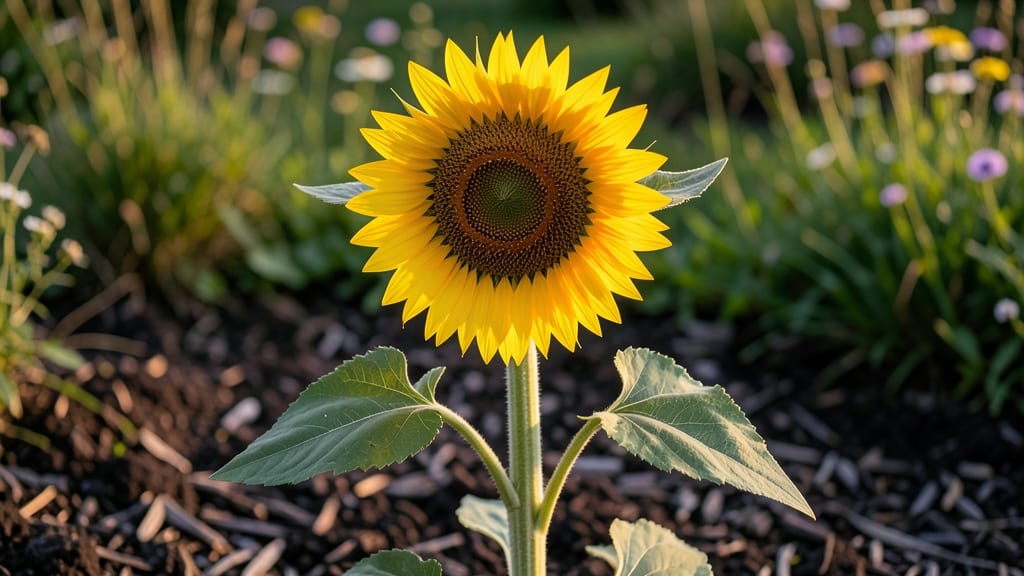
Sunflower bloom time by variety: fastest to slowest flowering types
If you're planning your garden around sunflower bloom time, knowing the exact days from seed to flower makes all the difference. Some varieties pop up in under 60 days, while others take nearly 4 months to reach their towering, cheerful faces.
The good news? You can adjust your planting schedule based on your local climate and the variety you choose.
For example, dwarf varieties like 'Teddy Bear' bloom in just 50-60 days, perfect for container gardens or small spaces. Meanwhile, giant sunflowers like 'Russian Giant' need 120+ days to reach their full 12-foot glory.
Let’s break down the timeline by variety so you can plan your garden like a pro.
🌱 Pro Tip: In cooler climates (USDA Zones 3-5), start seeds 4-6 weeks indoors before your last frost date to extend your bloom season. In warmer zones (6-10), direct sow after frost for faster results.
Now that you’ve seen the bloom time spectrum, here’s how to adjust for your climate. In cooler regions (like the Pacific Northwest or Midwest), start seeds indoors 6-8 weeks before your last frost date.
For warm climates (like Texas or California), direct sow after frost for faster results—some varieties bloom in as little as 45 days in ideal conditions.
If you’re growing giant sunflowers, give them extra space (at least 18 inches apart) and stake them early to prevent toppling. These towering beauties need consistent moisture during their long growth cycle, so water deeply 2-3 times per week once they’re established.
For dwarf varieties, focus on container gardening or small plots. They’re perfect for balconies or windowsills and bloom quickly, making them great for beginner gardeners. Just ensure they get 6+ hours of sun daily—this is non-negotiable for any sunflower variety.
One common mistake? Over-fertilizing with nitrogen can delay blooms by encouraging leafy growth instead of flowers. Stick to a balanced 10-10-10 fertilizer and apply it lightly every 4-6 weeks during the growing season. Too much nitrogen = fewer flowers, no matter how fast your sunflowers grow.
Ready to plan your sunflower patch? Pick a mix of fast-blooming dwarfs and showstopping giants for a season-long display. With the right variety and care, you’ll have sunflowers turning toward the sun from early summer to fall—just in time for those iconic autumn photos.
🌻
How to speed up sunflower bloom time naturally (without chemicals)
Sunflowers are fast growers, but even the quickest varieties can feel like they're taking forever to bloom. The good news? You can naturally accelerate their bloom time with a few science-backed tricks—no chemicals required.
Whether you're growing dwarf varieties for containers or giant sunflowers for cut flowers, these methods will help those cheerful faces appear sooner than expected.
One of the biggest mistakes gardeners make is over-fertilizing with nitrogen, which encourages leafy growth at the expense of flowers. Sunflowers need a balanced approach to nutrients, focusing on phosphorus and potassium during their flowering stage.
Let’s dive into the proven techniques that will have your sunflowers reaching for the sun in record time.
🌱 5 Science-Backed Ways to Speed Up Sunflower Blooms
- 1 Plant at the right depth: Bury seeds just 1 inch deep in warm soil (60°F+). Deeper planting delays germination by up to 10 days.
- 2 Use companion plants: Pair with marigolds or basil to repel pests and improve soil health, reducing stress that delays blooming.
- 3 Water deeply in the morning: Aim for 1 gallon per plant weekly (more in extreme heat). Evening watering risks fungal diseases that stunt growth.
- 4 Maximize sunlight exposure: Ensure 6-8+ hours of direct sun daily. Partial shade can delay blooming by 2-3 weeks in dwarf varieties.
- 5 Avoid overcrowding: Space plants 12-24 inches apart (depending on variety). Competition for nutrients slows bloom time by up to 15 days.
Another pro tip is to thin seedlings early—leave only the strongest plant per spot. Weak stems divert energy away from blooming, and removing competition helps remaining plants focus their energy on producing flowers faster.
I’ve seen Moulin Rouge sunflowers bloom in as little as 45 days when given these ideal conditions.
If your sunflowers are taking longer than expected, check for nutrient deficiencies. Yellowing leaves? You might need a phosphorus boost (like bone meal). Brown edges? Try adding potassium-rich compost. Always test your soil before amending—sunflowers thrive in slightly acidic to neutral pH (6.0-7.0).
For container-grown sunflowers, use pots with drainage holes and a fast-draining mix (60% potting soil, 30% perlite, 10% compost). Root-bound plants struggle to absorb nutrients efficiently, which directly impacts bloom time. Rotate containers weekly to ensure even sun exposure on all sides.
With these natural methods, you’ll be enjoying sunflowers in full bloom weeks ahead of schedule—without any chemical shortcuts. The key is consistency: proper depth, sunlight, watering, and spacing work together like a well-oiled machine to get those cheerful faces facing the sun as quickly as possible.