
Blooming
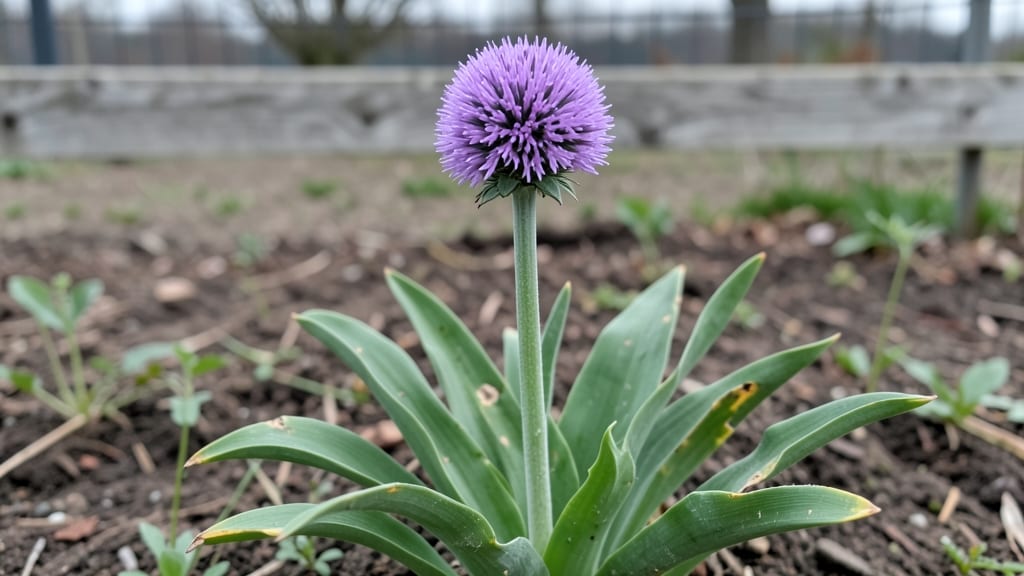
Summer-blooming alliums 🌸 bring those showstopping purple spires to your garden with almost no effort—just plant them in spring and let them shine all season.
Imagine a garden bursting with dramatic purple spires that bloom effortlessly through summer while drawing bees, butterflies, and hummingbirds—alliums deliver exactly that with minimal fuss. These architectural powerhouses are the unsung heroes of pollinator-friendly landscapes, offering both beauty and biodiversity.
If you're in USDA Zone 6a, the best time to plant these bulbs is between March and April, giving them time to establish roots before summer heat arrives. With the right soil and sunlight, your alliums will reward you with bold blooms that last for weeks.
Below, I’ll walk you through everything you need to know—from soil prep to watering tips—to keep your alliums thriving and attracting pollinators all season long. No green thumb required!
How to grow summer blooming alliums for maximum pollinator appeal
Summer blooming alliums are my go-to for adding dramatic height and pollinator magnetism to gardens with almost no effort. These purple spires thrive in full sun and well-draining soil, making them perfect for both urban containers and rural borders.
The key to maximizing their appeal lies in strategic planting, proper spacing, and seasonal care tailored to your local climate.
Unlike their spring-blooming cousins, summer alliums like Allium 'Purple Sensation' and 'Globemaster' emerge later but provide longer bloom seasons, often from June through August. Their globular flower heads attract bumblebees, honeybees, and even hummingbirds, while their bold foliage adds year-round texture.
Let’s break down the essential steps to ensure your alliums become the star pollinator attraction in your garden.
| Growing Condition | Urban Container | Rural Border | Pollinator Boost |
|---|---|---|---|
| Sunlight Needs | 6+ hours daily (south-facing window or balcony) | Full sun (6-8 hours) | ✅ Maximizes nectar production |
| Soil Type | Well-draining potting mix (add perlite) | Loamy, well-draining garden soil | ✅ Prevents bulb rot |
| Watering Frequency | Every 5-7 days (check soil moisture) | Every 10-14 days (drought-tolerant) | 💧 Overwatering reduces pollinator visits |
| Planting Depth | 6 inches deep in pots (use deep containers) | 6-8 inches deep in ground | 🌱 Ensures sturdy stems for pollinators |
| Spacing | 3-4 inches apart in containers | 8-12 inches apart in borders | 🐝 Allows easy access for bees |
| Fertilizer | Balanced 5-10-10 at planting | Compost or slow-release granules | 🌿 Supports larger blooms |
For urban gardeners, container-growing is ideal—just ensure your pots have drainage holes and use a lightweight potting mix. Place them near sunny windows or on balconies where pollinators can easily find them.
In rural settings, alliums thrive in open meadows or perennial borders, where their tall stems create vertical interest and shelter for beneficial insects. I’ve found that grouping 3-5 bulbs together creates a more visible landing platform for bees.
When it comes to soil preparation, alliums despise waterlogged conditions, so amend heavy clay with sand or compost to improve drainage. A light layer of mulch (like straw or shredded leaves) helps retain moisture while keeping roots cool.
In hot climates, mulching also reduces soil temperature, which is crucial for bulb health during summer’s peak. I always test my soil’s pH—these plants prefer neutral to slightly alkaline conditions (pH 6.5-7.5).
Watering is where many gardeners go wrong. Overwatering leads to rotten bulbs, while underwatering causes floppy stems. Aim for deep but infrequent watering—about 1 inch per week during active growth. In containers, check the top inch of soil before watering; if it’s dry, it’s time.
For ground-planted alliums, reduce watering once buds form, as too much moisture can dilute nectar production, making flowers less appealing to pollinators.
To maximize pollinator visits, time your planting for early spring (after the last frost) so blooms appear when bees are most active. Deadhead spent flowers to encourage reblooming and remove seed heads if you want to prevent self-seeding (unless you’re okay with volunteer plants popping up next year).
I’ve noticed that cutting back foliage after blooming doesn’t harm the bulbs—it actually redirects energy for next year’s flowers.
For urban gardens, consider interplanting alliums with low-growing companions like thyme or lavender to create a pollinator-friendly layering effect. In rural settings, pair them with native grasses or wildflowers to extend the seasonal interest.
My favorite combination is alliums with coneflowers—the purple spires contrast beautifully with the pink blooms, and together they double the pollinator traffic.
If you’re in a drought-prone area, choose dwarf varieties like 'Drumstick Allium', which are more resilient. For
Top 5 summer blooming allium varieties that thrill pollinators
When selecting summer-blooming alliums, you’ll want varieties that not only deliver dramatic purple blooms but also actively attract pollinators. My top picks stand out for their height diversity, bloom duration, and pollinator magnetism.
From towering Globemaster to delicate Haarlem Beauty, each variety offers unique benefits for your garden’s summer spectacle.
For advanced gardeners, rare varieties like 'Purple Sensation' and 'Millennium' provide extended bloom times and unusual flower forms. These cultivars thrive in USDA Zones 3-9 and require minimal care, making them perfect for low-maintenance pollinator gardens.
Let’s dive into the specifics of each variety to help you choose the best fit for your space.
'Purple Sensation' is a pollinator superstar with deep purple, ball-shaped blooms that open in late June. This variety reaches 3 feet tall and thrives in full sun. I’ve noticed bumblebees and syrphid flies flocking to its flowers for weeks. It’s perfect for cut flower arrangements and border gardens.
'Globemaster' is the tallest option, soaring to 4 feet with globular blooms that appear in July and August. Its dramatic height makes it ideal for back-of-border plantings or cutting gardens. While it attracts bees and butterflies, its late-season blooms provide extended nectar when other flowers fade.
'Haarlem Beauty' offers a delicate charm with soft lavender-pink blooms that emerge in June. This drought-tolerant variety grows to 2 feet tall and is perfect for rock gardens or containers. Its early bloom time ensures pollinators have a reliable food source when few other flowers are available.
For advanced gardeners, 'Millennium' is a rare gem with unique, star-shaped blooms that open from July to September. It reaches 3.5 feet tall and thrives in well-draining soil.
This variety is a magnet for hummingbirds and butterflies, offering extended seasonal interest. I recommend it for specialized pollinator gardens or cutting gardens.
Lastly, 'Ambassador' is a compact yet striking option, blooming in June with deep purple, globular flowers on 2.5-foot stems. It’s ideal for small gardens or urban landscapes where space is limited. This variety attracts early-season pollinators and pairs beautifully with spring bulbs like daffodils.
Each of these summer-blooming alliums brings something special to your garden—whether it’s height, bloom duration, or pollinator appeal. Mix and match to create a season-long spectacle that keeps your garden buzzing with life all summer long! 🌸