
Blooming
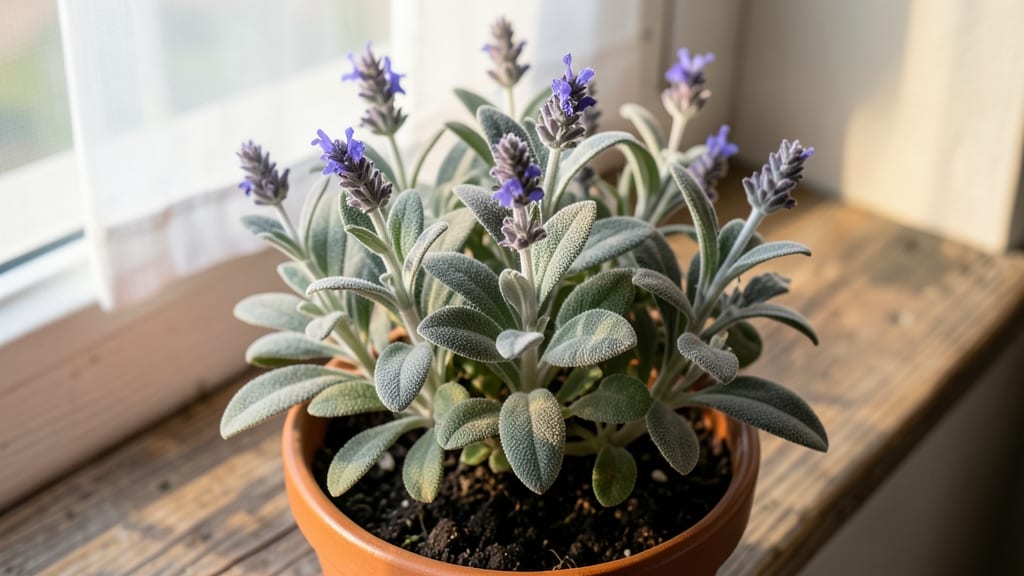
"Black and Bloom sage transforms any garden into a velvety purple dream. 💜 Its deep burgundy foliage and cascading lavender-blue flowers create a striking contrast that lasts from early summer through frost—no deadheading required.
This variety thrives in containers, borders, or pollinator gardens, where its fragrant spikes attract bees and butterflies while adding vertical drama. Pair it with silver foliage plants like lamb's ear or dusty miller to make the purple pop even more.
The real magic happens when you place it where you'll see it daily—a sunny windowsill planter, a mixed border, or as a focal point in a modern pot arrangement. Its reblooming habit ensures continuous color without extra effort.
For maximum impact, prune lightly after the first flush of flowers to encourage bushier growth. The result? A plant that delivers season-long interest with minimal maintenance and maximum wow factor.
📚 In This Guide
- What you need
- Instructions
- Tips and common mistakes
- Wrapping up and next steps
What you need
- ● Black and Bloom Sage Plants: 3–5 healthy nursery-grown plants (ensure they’re labeled for their striking dark foliage and purple blooms).
- ● Well-Draining Potting Mix: 10–15 gallons (or 2–3 bags) of high-quality, organic potting soil mixed with perlite or coarse sand (1 part perlite to 4 parts soil) to prevent root rot.
- ● Containers or Garden Bed: Containers: 5–7 gallon pots with drainage holes (1 per plant). Terracotta or fabric pots work best.
- ● Garden Bed: A sunny spot (6+ hours of sunlight) with loose, well-draining soil (amend with compost if needed).
- ● Slow-Release Fertilizer: 1–2 cups of balanced, organic fertilizer (10-10-10 or similar) or a time-release granular fertilizer designed for herbs.
- ● Pruning Shears: Sharp, clean pair for trimming spent blooms and shaping plants.
- ● Watering Can or Hose with Gentle Spray: Avoid overwatering—sage hates soggy roots!
- ● Mulch: 1–2 inches of gravel or organic mulch (like straw) to retain moisture and suppress weeds.
- ● Epsom Salt: 1 tablespoon dissolved in water (monthly) for extra magnesium and vibrant foliage.
- ● Decorative Stones or Garden Markers: To label your plants and add a cute touch to your garden!
- ● Gloves: If you’re sensitive to prickly stems or prefer to keep your hands clean.
Step-by-Step guide to growing Black and Bloom sage
Here’s how to coax those stunning purple blooms from this fragrant variety—it’s easier than you think.
🌱 Step 1: Choose the Right Location and Soil
Black and Bloom sage thrives in full sun—at least 6-8 hours daily. A south-facing spot with afternoon shade in hot climates prevents leaf scorch. I always test soil drainage first: dig a hole, fill it with water, and wait. If it drains in under an hour, you’re good. If not, amend with 1 part perlite to 3 parts native soil.
This variety tolerates poor soil but blooms best in well-draining, slightly alkaline conditions (pH 6.5-7.5). Mix in a handful of composted leaf mold at planting to improve structure without suffocating roots. The key is avoiding soggy soil—sage roots rot faster than they wilt.
🪴 Step 2: Plant at the Right Time and Depth
Spring or early fall planting gives roots time to establish before summer heat. Dig a hole twice as wide as the root ball but only as deep as the container. You’ll see the soil line on the stem—this should sit ½ inch above ground level after planting. Press soil firmly around roots to eliminate air pockets, then water deeply until moisture reaches 6 inches down.
Spacing matters: plant 18-24 inches apart for full-sized plants. Crowding stresses the plant and reduces air circulation, which invites powdery mildew. I always mulch with 2 inches of gravel or coarse sand around the base—this keeps roots cool and prevents soil-borne diseases from splashing up during rain.
☀️ Step 3: Water Deeply but Infrequently
Black and Bloom sage despises consistent moisture. Water once a week in summer (more in extreme heat) and every 10-14 days in spring/fall. The rule is simple: water when the top 2 inches of soil feel dry to touch. Overwatering causes root rot, while underwatering makes leaves curl—both stress the plant and delay blooming.
For established plants, I use the "soak-and-dry" method: water until moisture runs out the drainage holes, then wait until the soil surface feels dry before watering again. This mimics natural drought conditions and encourages deeper root growth, which leads to stronger stems and more abundant blooms.
✂️ Step 4: Prune for Continuous Blooms
Deadheading spent blooms isn’t just about looks—it triggers reblooming. Use clean, sharp pruners to snip stems ½ inch above the next set of leaves after flowers fade. I do this every 2-3 weeks throughout the season. Avoid cutting into old wood (woody stems)—this removes next year’s flower buds.
In late summer, give the plant a light haircut: trim ⅓ of the current season’s growth to encourage bushier growth and prepare for winter. Never prune into the center—this creates a dense, shaded interior where diseases fester. The goal is an open, airy shape that lets light penetrate to all stems.
🌿 Step 5: Overwinter for Next Year’s Blooms
Black and Bloom sage is hardy to USDA Zone 5, but in colder regions, protect it with 3-4 inches of mulch after the first frost. I wrap young plants in burlap to shield from winter winds. In spring, remove mulch and prune back any dead growth. New growth emerges from the base, so don’t worry about cutting into old wood—it’s already dormant.
Fertilize lightly in early spring with ½ strength balanced fertilizer (10-10-10). Too much nitrogen produces lush foliage but fewer flowers. The secret to repeat blooming is consistency: prune regularly, water deeply but infrequently, and avoid heavy-handed fertilizing. Within a season, you’ll have a bush bursting with those signature purple spikes.
Tips & tricks for perfect Black and Bloom sage
These little details make all the difference when growing Black and Bloom sage—trust me, I’ve learned them the hard way!
Sunlight Strategy: While the instructions call for 6-8 hours of full sun, I’ve found that morning sun with afternoon shade in hot climates actually produces more vibrant blooms. The intense afternoon heat can scorch leaves before they fully develop. If you’re in a particularly sunny region, consider using shade cloth during peak hours (around 11 AM to 3 PM) to protect young plants.
Soil Test Tip: That soil drainage test in Step 1 is non-negotiable. I’ve seen sage plants thrive in soil that seemed perfect until the first heavy rain—then the roots suffocated. For containers, always use a mix of 60% potting soil, 30% perlite, and 10% compost. This ensures proper drainage while still providing nutrients. The slightly alkaline pH (6.5-7.5) is crucial too—you can test your soil with a simple kit from a garden center.
Pruning Precision: When deadheading in Step 4, I always use a pair of clean, sharp pruners that I’ve wiped down with rubbing alcohol between cuts. This prevents spreading any potential diseases between stems. For the late-summer haircut, I recommend doing this after the first frost warning in your area—this gives the plant a chance to harden off before winter. The open, airy shape you’re aiming for isn’t just about looks; it dramatically reduces powdery mildew risks.
Winter Protection Hack: That 3-4 inches of mulch in Step 5 works wonders, but I’ve found adding a layer of straw or leaves on top of the mulch provides extra insulation. In particularly cold regions (Zone 4 or colder), you might want to consider wrapping the entire plant in burlap and placing it against a south-facing wall for winter protection. This creates a microclimate that can make a huge difference in survival rates.
Pro Tips for Black And Bloom Sage
- These little details make all the difference when growing Black and Bloom sage—trust me, I’ve learned them the hard way!
- Sunlight Strategy: While the instructions call for 6-8 hours of full sun, I’ve found that morning sun with afternoon ...
- Soil Test Tip: That soil drainage test in Step 1 is non-negotiable. I’ve seen sage plants thrive in soil that seemed ...
Frequently asked questions
How often should I water Black and Bloom Sage?
This drought-tolerant sage thrives on infrequent but deep watering. Water only when the top 1–2 inches of soil feel dry (usually every 1–2 weeks, depending on climate). Overwatering causes root rot—soak and drain well, then let it dry out between sessions. Pro tip: Mulch around the base to retain moisture and discourage weeds!
Why isn’t my Black and Bloom Sage reblooming?
Reblooming depends on three key factors:
- Deadheading: Trim spent blooms regularly to encourage new growth.
- Sunlight: Ensure 6+ hours of full sun daily—shady spots reduce flowering.
- Pruning: Cut back leggy stems in early spring to promote bushier, more vigorous regrowth.
Can I grow Black and Bloom Sage in containers?
This sage adapts well to pots, but choose a container with drainage holes (at least 12–18 inches wide). Use a well-draining potting mix (like cactus/succulent blend) and repot every 2–3 years. Bonus: Container-grown sage can be moved indoors during winter if you live in a cold climate!
What’s the best way to overwinter Black and Bloom Sage?
In cold zones (below 10°F/-12°C), protect your sage with:
- A thick layer of mulch (straw or shredded leaves).
- A burlap wrap or frost cloth around the plant.
- Moving potted sage to a garage or sheltered spot (keep it dry!).
Are there any alternatives to Black and Bloom Sage for purple blooms?
If you love the color but want variety, try these low-maintenance purple bloomers:
- Lavender: Fragrant, drought-resistant, and attracts pollinators.
- Russian Sage (Perovskia): Silvery foliage with lavender-blue spikes (hardy to Zone 4!).
- Catmint (Nepeta): Long-blooming, deer-resistant, and great for borders.
Wrapping up and next steps
Growing black and bloom sage is a rewarding journey that brings drama and color to your garden with its striking purple spikes and long-lasting blooms.
Whether you're a seasoned gardener or just starting, this variety proves that beauty and resilience go hand in hand—just give it a little love, patience, and the right conditions. 🌿✨
Now that you’re armed with all the tips and tricks, why not take the next step? Share your progress with fellow plant lovers online, experiment with companion plants, or even propagate your sage to spread the magic. Happy gardening—your future blooms are waiting! 🌸💚