
Blooming
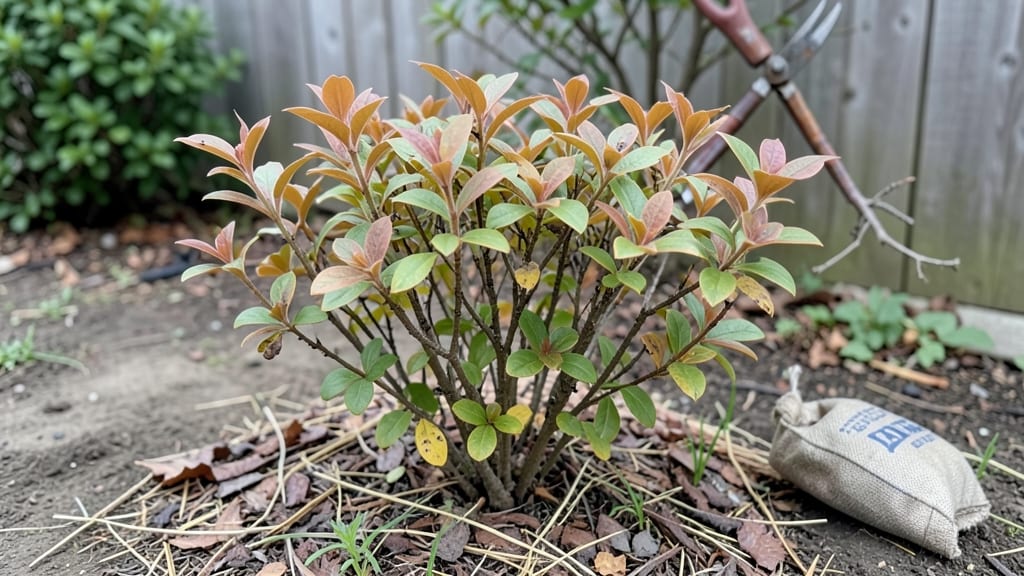
Your spirea plants not blooming this year might just need a few simple tweaks to wake them up. 🌿 I’ve nursed back more than my share of woody spirea shrubs that looked like they’d given up entirely—until I realized they just needed the right timing, a little extra food, or a fresh set of eyes on their care routine.
The most common reasons spirea skips blooms are pruning too late in the season, not enough sunlight, or skimping on fertilizer. Overgrown branches can also block light from reaching the buds.
The good news? All of these fixes take less than an hour and can transform your shrub from a sad, leafless stick into a showstopper by next spring.
You’ll start seeing fresh, vibrant growth within weeks of adjusting care—think lush green foliage first, then clusters of blooms in shades of pink, white, or red. The key is acting now, before winter sets in, so your spirea has time to recover and store energy for next year’s display.
Works for all spirea varieties, from the classic Spiraea japonica to the hardy Spiraea arguta. Let’s get those buds blooming again—here’s exactly how to diagnose and fix the issue step by step.
Why it happens
When your spirea plants refuse to put on a show, it’s usually a sign that something fundamental is off—whether it’s a hidden nutrient deficiency, environmental stress, or even a misstep in care.
Understanding the root causes (literally and figuratively) is the first step to bringing back those vibrant clusters of flowers. Below, we break down the most common reasons why spirea skips blooming, complete with science-backed explanations and actionable insights.
🌱 Insufficient Light Exposure
Spirea thrives on sunlight, and without enough of it, the plant shifts its energy toward leaf growth instead of flowering. Most spirea varieties—especially Spiraea japonica and Spiraea bumalda—require 6 to 8 hours of direct sunlight daily.
If your plant is tucked in a shady spot, its hormonal balance (specifically florigen, the flowering hormone) gets disrupted, delaying or preventing blooms.
Why it happens: Light triggers a chain reaction in plants. Photosynthesis produces energy, but blue and red wavelengths (abundant in sunlight) also signal the plant to transition from vegetative growth to reproductive (flowering) mode. Shade-starved spirea may produce lush foliage but skip the floral display entirely.
Pro tip: 💡 Move your spirea to a sunnier location, or supplement with a grow light (12–16 hours/day) if outdoor light is limited. South- or west-facing spots are ideal for most varieties.
❄️ Improper Pruning Timing or Technique
Pruning is a double-edged sword for spirea. Done wrong, it can strip the plant of next year’s flower buds, which form on old wood (last year’s growth).
Many gardeners prune at the wrong time (e.g., late summer or fall) or cut back too aggressively, removing potential blooms before they even appear.
Why it happens: Spirea blooms on new wood (current year’s growth) or old wood, depending on the variety. For example:
- Old wood bloomers (e.g., Spiraea japonica ‘Goldflame’): Buds set in late summer/early fall for spring blooms. Pruning after this window removes next year’s flowers.
- New wood bloomers (e.g., Spiraea bumalda): Buds form on current year’s growth, so late winter/early spring pruning (before buds swell) is safe.
If you prune at the wrong time, you’re essentially telling the plant, “Forget flowers—just grow leaves!”
Pro tip: ✨ Check our pruning guide for variety-specific timing, but a general rule is to prune old wood bloomers after they finish flowering (late spring/early summer) and new wood bloomers in late winter.
💧 Watering or Soil Issues
Spirea is drought-tolerant once established, but consistent moisture stress—whether from underwatering or soggy soil—can stunt flowering. Too little water triggers survival mode, while too much deprives roots of oxygen, leading to anaerobic conditions that disrupt nutrient uptake.
Why it happens:
- Underwatering: Causes wilting and bud drop, as the plant prioritizes root health over flowering. Chronic dryness also reduces photosynthetic efficiency, limiting energy for blooms.
- Overwatering: Leads to root rot (from Phytophthora or Pythium fungi), which clogs roots and blocks nutrient absorption. Ironically, the plant may still look green but won’t allocate resources to flowers.
- Poor drainage: Spirea hates “wet feet.” Compacted or clay-heavy soil traps water, suffocating roots and triggering ethylene gas production, a stress hormone that inhibits flowering.
Pro tip: 🌡️ Aim for 1–1.5 inches of water per week (including rainfall) and ensure soil is well-draining. Amend heavy soil with compost or perlite, and plant in a location with good airflow to prevent fungal issues.
🍄 Nutrient Deficiencies or Over-Fertilization
Spirea is a light feeder, meaning it doesn’t need much fertilizer—but too little or too much of the wrong nutrients can derail blooming. The key is balancing nitrogen (N), phosphorus (P), and potassium (K).
Why it happens:
| Issue | Symptoms | Impact on Blooms |
|---|---|---|
| Low phosphorus (P) | Dark green leaves, purple-tinged stems, slow growth | Phosphorus is critical for energy transfer and flower development. A deficiency means the plant can’t produce the _ATP_ needed for bud formation. |
| Excess nitrogen (N) | Lush, pale green foliage, weak stems, no flowers | Nitrogen fuels leafy growth at the expense of reproductive structures. Think of it like a bodybuilder on steroids—all muscle, no performance. |
| Potassium (K) deficiency | Yellow leaf edges, weak stems, poor disease resistance | Potassium regulates enzyme activity and water balance. Without it, buds may form but fail to open or drop prematurely. |
Pro tip: 🎯 Use a balanced, slow-release fertilizer (e.g., 10-10-10 or 5-10-5) in early spring and after flowering. Avoid high-nitrogen lawn fertilizers—they’re a one-way ticket to leafy spirea, no blooms.
🐛 Pests or Diseases Stressing the Plant
Hidden pests or pathogens can sap your spirea’s energy, leaving it too weak to bloom. Common culprits include:
- Aphids, spider mites, or scale insects: These sap-sucking pests inject toxins that disrupt auxin (a plant hormone regulating growth), leading to stunted or absent flowers.
- Powdery mildew or rust fungi: Fungal infections coat leaves, blocking photosynthesis and reducing the plant’s ability to produce florigen.
- Root-knot nematodes: These microscopic worms damage roots, limiting water and nutrient uptake—directly impacting bloom production.
Why it happens: When a plant is under biotic stress (from pests/diseases),
Reviving Your Spirea’s Blooms
If your spirea is throwing a no-show on its floral performance, don’t panic—most issues are fixable with a little TLC. Below, we’ve mapped the most common culprits to targeted solutions, plus pro tips to keep your spirea blooming like a champ. Let’s get those flowers back in action!
🌱 Fix 1: Prune at the Right Time (Or Not at All)
Problem: Over-pruning, wrong timing, or skipping pruning entirely can disrupt blooming cycles. Solution:
- 🔪 For spring-blooming spirea (e.g., Spiraea japonica):
- Prune right after flowering (late spring/early summer). This encourages fresh growth for next year’s blooms.
- Cut back 1/3 of the oldest stems to the ground to rejuvenate the plant.
- 🌿 For summer-blooming spirea (e.g., Spiraea arguta):
- Prune in early spring (before buds swell) to shape the plant and promote summer flowers.
- Avoid heavy pruning in fall—it can stress the plant before winter.
💡 Pro Tip: Use clean, sharp shears to make angled cuts just above a leaf bud or outward-facing branch. Ragged cuts invite disease!
☀️ Fix 2: Optimize Sunlight and Location
Problem: Too much shade or harsh afternoon sun can stunt blooms. Solution:
- 🌞 Ideal sunlight: Most spirea thrive in full sun (6+ hours/day), but some varieties (like Spiraea thunbergii) tolerate partial shade (4–6 hours).
- 🌳 Adjust placement:
- Move potted spirea to a sunnier spot if blooms are sparse.
- For in-ground plants, thin nearby trees/shrubs to improve airflow and light penetration.
- ❄️ Winter prep: In cold climates, mulch the base with 2–3 inches of organic mulch (like shredded bark) to protect roots from temperature swings.
🌡️ Pro Tip: If your spirea is in a container, rotate the pot quarter-turns every few weeks to ensure even sunlight exposure.
💧 Fix 3: Water Wisely (Not Too Much, Not Too Little)
Problem: Overwatering or drought stress can cause buds to drop or fail to open. Solution:
- 💦 Watering schedule:
- Water deeply 1–2 times per week (depending on soil drainage and climate). Aim for 1 inch of water per week.
- Check soil moisture: Stick your finger 2 inches into the soil. If it’s dry, water; if damp, wait.
- 🌧️ Rainy season? Ensure pots have drainage holes to prevent soggy roots. For in-ground plants, improve soil with compost to boost drainage.
- 🚫 Avoid wetting foliage (especially in humid climates) to prevent fungal diseases like powdery mildew, which can stress the plant.
✨ Pro Tip: Water in the early morning to reduce evaporation and fungal risks. Use a soaker hose for even moisture without leaf wetness.
🌿 Fix 4: Feed for Blooms (But Don’t Overdo It)
Problem: Poor nutrition leads to weak growth and sparse flowers. Solution:
- 📊 Fertilizer timing:
- Apply a balanced, slow-release fertilizer (like 10-10-10) in early spring as new growth emerges.
- For a bloom boost, switch to a phosphorus-rich fertilizer (e.g., 5-10-5) in late spring.
- 🍄 Organic options:
- Work compost or well-rotted manure into the soil in early spring.
- Use a fish emulsion or seaweed extract mid-season for a gentle nutrient kick.
🚫 Warning: Avoid high-nitrogen fertilizers (like lawn fertilizers) in summer—they promote leafy growth at the expense of flowers.
🐞 Fix 5: Rule Out Pests and Diseases
Problem: Hidden pests or infections can drain energy meant for blooms. Solution:
- 🐜 Common culprits:
- Aphids/spider mites: Look for sticky residue (honeydew) or tiny webs on undersides of leaves.
- Scale insects: Check for brown bumps on stems/leaves.
- Powdery mildew: White, powdery coating on leaves (common in humid conditions).
- 🔍 Treatment steps:
- For pests: Blast off with a strong stream of water or use neem oil (mix 1 tbsp neem oil + 1 tsp mild soap + 1 quart water; spray weekly).
- For fungal issues: Apply baking soda spray (1 tsp baking soda + 1 quart water + few drops of soap) or copper fungicide.
- For severe infestations: Prune and dispose of heavily affected branches outside your yard.
💡 Pro Tip: Encourage beneficial insects (like ladybugs) by planting marigolds or dill nearby—they’ll keep pests in check naturally!
🛡️ Prevention Checklist for Next Season
Once your spirea is back on track, keep these habits to prevent future blooming flops:
| Task | When | How |
|---|---|---|
| Prune correctly | Late spring (spring bloomers) / Early spring (summer bloomers) | Follow variety-specific timing; remove 1/3 of oldest stems. |
| Mulch | Fall (after first frost) / Early spring | Add 2–3 inches of organic mulch; keep 2 inches away from stems. |
| Fertilize | Early spring + mid-summer | Use balanced fertilizer in spring; phosphorus-rich in summer. |
| Monitor pests | Weekly during growing season |