
Blooming
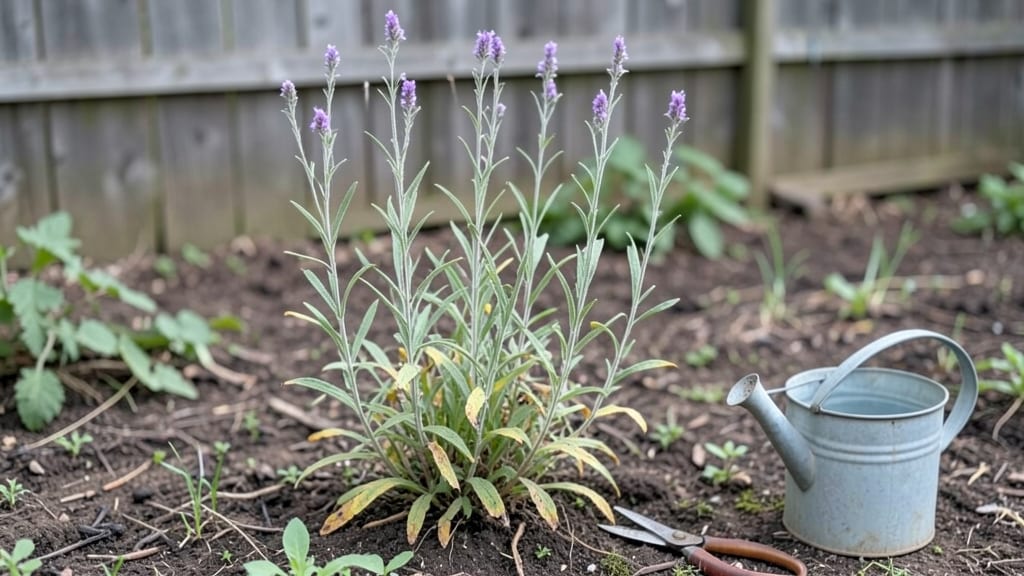
Verbena plants not blooming can turn your sunny border into a sea of green disappointment—but I’ve fixed this exact problem in my own garden with just three simple tweaks. 🌿 The key is understanding what verbena actually needs to flower: bright light, precise watering, and the right timing for pruning.
Most gardeners overlook one of these, and suddenly those vibrant blooms vanish.
Here’s the thing—verbena thrives on neglect in some ways but demands precision in others. Too much shade? It’ll grow leaves but skip flowers. Too much water? Roots drown before buds form. And if you prune at the wrong time, you’ll snip off next season’s blooms before they even appear.
My plants now produce continuous blooms from June through frost by following these exact steps.
The fix starts with moving your verbena to a spot with 6+ hours of direct sun daily—no compromises. Then adjust your watering to keep soil consistently moist but never soggy, and prune only after the first flush of flowers fades.
Within weeks, you’ll see new buds forming at the tips, and those classic purple, pink, or white clusters will return in full force.
Works for both annual verbena and hardy varieties, whether in garden beds or containers. Let’s get those blooms back—and keep them coming all season long.
Root Causes of Stunted Blooms
Verbena plants are known for their vibrant, long-lasting flowers, but when they refuse to bloom, it’s often a sign that something fundamental is off. Understanding the why behind the lack of flowers is the first step to reviving your plant.
Below, we break down the most common culprits—each with a clear scientific explanation—and what they trigger in your verbena’s growth cycle.
###
🌱 Insufficient Light Exposure
Verbena (Verbena spp.) is a sun-loving plant, thriving in full sun (6–8+ hours of direct light daily).
When deprived of adequate sunlight, it shifts its energy from flowering to leafy growth—a survival mechanism to maximize photosynthesis. Science says: Low light reduces the plant’s ability to produce florigen, a hormone critical for bloom initiation.
Without it, buds fail to form, leaving you with lush foliage but no flowers.
💡 Actionable fix: Move your verbena to a sunnier spot or supplement with a grow light (12–16 hours/day). If outdoors, ensure it’s not shaded by taller plants or structures.
###
❄️ Temperature or Seasonal Stress
Verbena is a warm-season annual, meaning it enters dormancy or slows growth in cooler temperatures (<50°F/10°C). If planted too early in spring or exposed to late-season chills, it may halt flowering entirely. Additionally, Verbena bonariensis (tall verbena) and Verbena hybrida (garden verbena) require consistent warmth to trigger bloom hormones like anthocyanin, which regulates flower development.
🌡️ Key triggers:
- Night temps below 55°F (13°C) can stall blooms.
- Sudden temperature drops (e.g., after a heatwave) shock the plant.
- Overwintered verbena (perennial types) may need a cold snap to reset growth before reblooming.
🔥 Fix: Wait until after the last frost to plant. Use row covers for early-season protection, or bring potted verbena indoors if night temps dip.
###
💧 Watering Woes: Too Much or Too Little
Verbena is drought-tolerant but hates soggy roots. Overwatering leads to root rot, which starves the plant of nutrients and energy—diverting resources away from flower production.
Conversely, underwatering stresses the plant, triggering a survival response where it prioritizes root expansion over blooms. Science connection: Water stress increases abscisic acid, a hormone that delays flowering until conditions improve.
📊 Watering rules:
Issue
Signs
Fix
Overwatering
Yellowing leaves, mushy stems, wilting despite wet soil
Let soil dry 2–3 inches deep between waterings; improve drainage with perlite.
Underwatering
Dry, crispy leaf edges; drooping in heat
Water deeply 1–2 times per week (more in extreme heat). Mulch to retain moisture.
✨ Pro tip: Stick your finger in the soil—if the top inch is dry, it’s time to water.
###
🌿 Nutrient Imbalance: Too Much Nitrogen
Verbena needs a balanced fertilizer (e.g., 10-10-10 or 5-10-5), but too much nitrogen (N) promotes leafy growth at the expense of flowers. Why? Nitrogen fuels vegetative growth, while phosphorus (P) and potassium (K) are critical for bloom development.
A soil test revealing high nitrogen levels (>100 ppm) can suppress flowering hormones like gibberellins.
💪 Fix:
- Switch to a low-nitrogen, high-phosphorus fertilizer (e.g., 5-20-20) when buds form.
- Avoid fresh manure or compost high in nitrogen.
- Flush the soil with water every 4–6 weeks to prevent salt buildup from fertilizers.
###
🪴 Overcrowded or Root-Bound Pots
Verbena in containers needs space to thrive. When roots become root-bound or the plant is overcrowded, it diverts energy to competing for resources rather than producing flowers. Science link: Root restriction increases ethylene gas, which can inhibit flower formation.
Additionally, poor air circulation in crowded pots fosters fungal diseases, further stressing the plant.
🔪 Solutions:
- Repot verbena every 1–2 years into a container 1–2 inches larger with fresh potting mix.
- Thin out plants if grown in beds, spacing them 12–18 inches apart.
- Prune leggy stems to encourage bushier growth and better airflow.
###
🐞 Pest or Disease Pressure
Pests like aphids, spider mites, or diseases such as powdery mildew drain the plant’s energy. A heavily infested verbena may abort flower buds to conserve resources. How it happens: Pests damage leaves, reducing photosynthesis, while pathogens block nutrient uptake, both of which delay florigen production.
👨🍳 Treatment:
- Inspect leaves weekly for pests; spray with neem oil or insecticidal soap.
- Remove affected leaves/diseased stems immediately to prevent spread.
- Improve airflow with pruning and avoid overhead watering.
How to solve it
If your verbena is throwing a no-show on the blooms, don’t panic! With the right tweaks, you can coax it back to life and enjoy a vibrant display. Below, we’ve matched the most common causes of non-blooming verbena with practical fixes—plus tips to keep your plant thriving long-term.
###
🌱 Cause: Insufficient Sunlight → Fix: Give It More Light
Verbena is a sun-worshipper, and too little light means it’ll focus on leafy growth instead of flowers. If your plant is tucked away in a shady spot, it’s time to relocate!
- 🔥 Move it to full sun: Aim for at least 6–8 hours of direct sunlight daily. South- or west-facing spots are ideal.
- 🌡️ Adjust gradually: If your verbena has been in shade, transition it slowly over 1–2 weeks to avoid sunburn.
- ✨ Supplement with grow lights: For indoor verbena, use a full-spectrum LED grow light for 12–14 hours a day.
💡 Prevention Tip: Plant verbena in spots where it gets maximum sunlight from the get-go. If your garden is shady, opt for low-light varieties like Verbena bonariensis (though they still prefer bright conditions).
###
💧 Cause: Overwatering or Poor Drainage → Fix: Let It Dry Out
Too much moisture stresses verbena, leading to root rot and a halt in blooming. If your plant’s soil feels soggy, it’s time to adjust your watering habits.
- 👨🍳 Check the soil: Stick your finger 1–2 inches deep—if it’s damp, wait before watering again.
- 🥘 Water deeply but less often: Water only when the top 1–2 inches of soil are dry. Verbena prefers moderate moisture, not soggy conditions.
- 🔪 Improve drainage: If your pot lacks drainage holes, repot it in a container with holes. For garden beds, amend the soil with perlite or sand to prevent compaction.
- ⏰ Water in the morning: This gives excess moisture time to evaporate, reducing fungal risks.
💡 Prevention Tip: Use well-draining potting mix (like a cactus/succulent blend) and avoid saucers that trap water. Mulch around the base to retain even moisture without over-saturating roots.
###
🍽️ Cause: Nutrient Imbalance → Fix: Feed It Right
Verbena needs a balanced diet, but too much nitrogen (common in lawn fertilizers) promotes leafy growth at the expense of flowers. Here’s how to fix it:
- 📊 Use a bloom-boosting fertilizer: Switch to a low-nitrogen, high-phosphorus fertilizer (like a 5-10-10 or 10-20-20 blend). Phosphorus encourages flowering.
- 🥗 Apply at the right time: Fertilize every 4–6 weeks during the growing season (spring to fall). Avoid feeding in winter.
- 🍎 Try organic options: Compost, bone meal, or fish emulsion are great natural sources of phosphorus.
- ✨ Flush the soil: If you’ve over-fertilized, water thoroughly to leach excess salts from the soil.
💡 Prevention Tip: Test your soil before fertilizing—verbena thrives in slightly acidic to neutral pH (6.0–7.0). Adjust with lime (to raise pH) or sulfur (to lower it) if needed.
###
✂️ Cause: Lack of Pruning → Fix: Trim for More Blooms
Verbena blooms best when encouraged to grow bushier. Deadheading (removing spent flowers) and light pruning can trigger a second flush of blooms.
- 🔪 Deadhead regularly: Snip off wilting or faded flowers with clean pruners or fingers. This redirects energy to new blooms.
- 🌿 Prune leggy stems: Cut back overly long or woody stems by 1/3 to encourage bushier growth.
- 🍳 Pinch young plants: For new verbena, pinch off the top set of leaves when the plant is 4–6 inches tall to promote branching.
- ⏰ Time it right: Prune in early spring or after a bloom cycle to avoid cutting off potential flowers.
💡 Prevention Tip: Make pruning a weekly habit during the blooming season. A well-pruned verbena will reward you with continuous color all season!
###
🌡️ Cause: Temperature or Humidity Stress → Fix: Create Ideal Conditions
Verbena loves warmth and moderate humidity. Extreme heat, cold snaps, or high humidity can stunt blooming.
- 🔥 Protect from heatwaves: If temperatures exceed 90°F (32°C), provide afternoon shade with a light cloth or move potted plants to a sheltered spot.
- 🌡️ Shield from cold drafts: Verbena struggles below 40°F (4°C). Use row covers or move pots indoors if frost is forecasted.
- 💨 Improve airflow: High humidity (like in greenhouses) can cause fungal issues. Use a fan on low or space plants 6–12 inches apart for airflow.
- ✨ Mist lightly (if needed): In dry climates, a morning mist can help, but avoid soggy leaves.
💡 Prevention Tip: Choose heat-tolerant varieties like Verbena tenuisecta for hot climates, or grow verbena in containers for easy relocation during temperature swings.
With these fixes, your verbena should be on its way to a bloom-filled comeback in no time! Remember, consistency is key—whether it’s sunlight, water, or pruning, small adjustments make a big difference. Happy gardening! 🌸
Frequently asked questions
Why isn’t my verbena producing flowers despite proper care?
Verbena often skips blooming when it senses stress or lacks key triggers. Check for insufficient sunlight—it needs 6+ hours of direct sun daily—or over-fertilization with nitrogen, which promotes leaves over flowers. Even pests like aphids can drain energy, halting bud formation. Start by adjusting light exposure and switching to a low-nitrogen fertilizer (like 5-10-10) to encourage blooms.
How often should I prune verbena to encourage more flowers?
Prune verbena regularly but strategically—snip off faded blooms weekly to redirect energy to new flowers. For leggy stems, trim back 1/3 of growth after the first bloom cycle. Avoid heavy pruning in early spring, as this may remove potential buds. Always use clean scissors and prune just above a leaf node for best results.
Can I save a verbena that’s not blooming by repotting?
Root-bound verbena often stops flowering due to stress from confined roots. Repot into a container 1–2 inches larger with fresh, well-draining soil. This gives roots room to expand and encourages new growth—and blooms. Choose a pot with drainage holes to prevent soggy soil, which is another common blooming killer.
What’s the best fertilizer for verbena to boost blooms?
Skip high-nitrogen fertilizers (they grow leaves, not flowers!). Instead, use a phosphorus-rich blend like 5-10-10 or 10-20-20 during the growing season. Organic options like bone meal or fish emulsion also work well. Always flush the soil every 4–6 weeks to prevent salt buildup, which can further stunt blooming.
Why does my verbena bloom in summer but not in fall?
Verbena thrives in warm weather but slows down as temperatures drop below 55°F (13°C). In fall, it may enter dormancy or focus on survival. To encourage late-season blooms, protect plants from frost with row covers, and fertilize lightly with phosphorus. For perennial verbena, a light cold snap can reset growth—just avoid freezing temperatures!