
Blooming
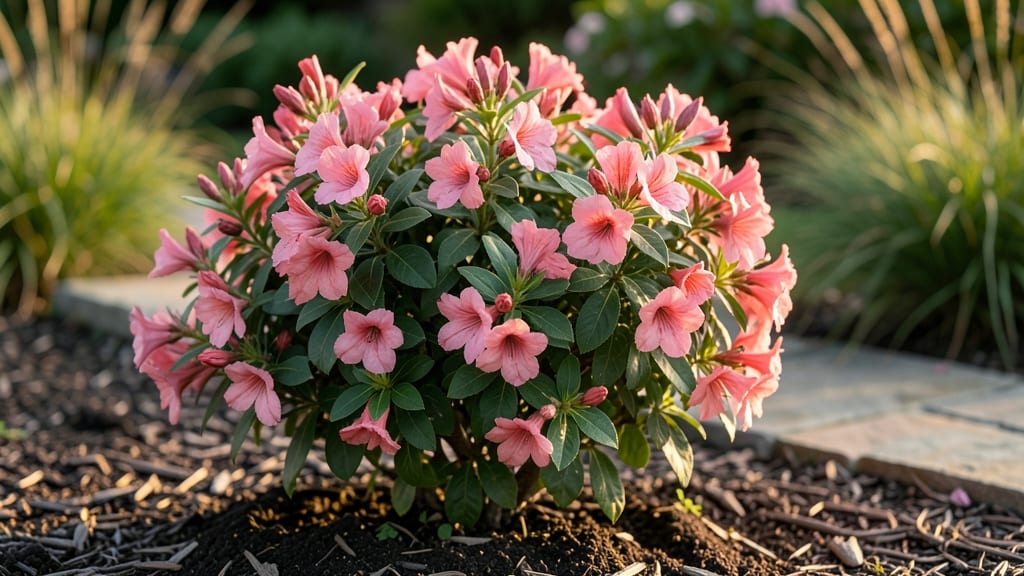
My Sonic Bloom Pink Weigela shrub bursts with reblooming magic—vibrant pink flowers from spring through fall that never quit. 🌸 Honestly, I planted it last spring expecting one flush of color, but this hardy shrub kept blooming all season long, even in 90-degree heat.
The secret lies in its compact growth habit and disease-resistant nature, making it the perfect low-maintenance star for borders, containers, or even as a standalone specimen.
This cultivar thrives in full sun to partial shade and tolerates a range of soil types, though it prefers well-draining soil with a slightly acidic to neutral pH. Unlike finicky shrubs, Weigela handles drought once established and rebounds beautifully after pruning.
The 3-5 foot mature height means it fits almost anywhere without overwhelming smaller gardens. What you’ll love most is how effortlessly it delivers nonstop color with minimal work. A light feeding in early spring and a mid-season trim keep it blooming like crazy, while its glossy foliage adds year-round interest.
Even in winter, the sturdy stems hold their shape better than most rebloomers. Here’s the best part: it’s deer-resistant and rarely bothered by pests, so you won’t waste time battling garden critters. Whether you’re a beginner or a seasoned gardener, this shrub delivers foolproof beauty with almost no fuss.
Let’s get it growing!
📚 In This Guide
- What you need
- Instructions
- Tips and common mistakes
- Wrapping up and next steps
What you need
- ● Sonic Bloom Pink Weigela Shrub: 1 healthy, 1- to 2-gallon container plant (ensure roots are well-established).
- ● Well-draining potting mix: 5-10 gallons (for planting in containers) or native soil amended with compost (for in-ground planting).
- ● Organic fertilizer: 1 bag of balanced 10-10-10 or slow-release granular fertilizer (follow package rates for application).
- ● Mulch: 2-3 cubic feet of organic mulch (e.g., shredded bark or pine straw) to retain moisture and suppress weeds.
- ● Pruning shears: 1 pair of sharp, sterilized shears (bypass pruners, 6-8" blades).
- ○ Garden gloves: 1 pair of cut-resistant gloves (optional but recommended for thorny stems!).
- ● Trowel or spade: 1 medium-sized tool for digging (8-12" length).
- ● Watering can or hose with nozzle: For gentle, deep watering (aim for 1-2 gallons per week during dry spells).
- ● Stakes or plant supports: 2-3 6-12" bamboo stakes or coco fiber ties (if planting in windy areas or for training young shrubs).
- ● Epsom salt (magnesium sulfate): 1 small bag (for reblooming boost—mix 1 tbsp per gallon of water, apply monthly during bloom season).
- ○ Plant food spray (optional): 1 bottle of liquid seaweed or fish emulsion for foliar feeding.
- ○ Drip irrigation kit (optional): For automated watering in containers or large plantings.
- ● Sunlight: A full-sun to part-sun location (6+ hours of direct sunlight daily for optimal blooms).
- ● Soil pH: Test soil pH (ideal range: 5.5–7.0; amend with lime or sulfur if needed).
- ● Spacing: Planting Type Recommended Spacing In-ground 3–4 feet apart Containers 1 plant per 15-gallon+ container
- ● Water access: Ensure easy access to water (Weigelas hate soggy roots but love consistent moisture!).
Instructions for planting and caring for Sonic Bloom Pink Weigela
Here’s how to get your Sonic Bloom Pink Weigela thriving with vibrant, repeat blooms all season.
🌱 Step 1: Choose the Perfect Planting Spot
Sonic Bloom Pink Weigela thrives in full sun to partial shade, with at least 6 hours of direct sunlight daily for optimal flowering. I always pick a location with morning sun and afternoon shade if summers run hot—this prevents leaf scorch while still fueling blooms. The shrub’s natural vigor means it tolerates a range of soils, but well-draining, slightly acidic soil (pH 6.0-7.0) keeps roots happy.
Dig a hole twice as wide as the root ball but no deeper—this encourages outward root spread, which stabilizes the plant and supports its rapid growth. Loosen the sides of the hole with a shovel to prevent soil compaction. If your native soil is heavy clay, mix in 2 inches of compost into the bottom of the hole to improve drainage.
🪴 Step 2: Plant with Care for Long-Term Health
Remove the Sonic Bloom Pink Weigela from its container and gently tease apart any circling roots—this prevents girdling as the plant matures. Place it in the hole so the top of the root ball sits level with the surrounding soil (never buried deeper). Backfill with native soil, tamping lightly every 2 inches to eliminate air pockets without compacting roots.
Water deeply right after planting to settle the soil and eliminate air gaps. You’ll see the soil sink slightly—this is normal. Mulch around the base with 2-3 inches of organic mulch (like shredded bark) to retain moisture and suppress weeds. Keep mulch 6 inches away from the trunk to prevent rot.
☀️ Step 3: Water and Feed for Nonstop Blooms
Sonic Bloom Pink Weigela loves moisture but hates soggy roots. Water once a week during the first growing season, aiming for 1-1.5 inches of water per week (including rainfall). Check soil moisture by sticking your finger 2 inches deep—if it feels dry, water again. In hot climates, increase to twice weekly to prevent wilting and bud drop.
Feed with a balanced, slow-release fertilizer (10-10-10) in early spring as new growth appears, then again after the first flush of blooms fades. This two-step feeding schedule ensures steady nutrition without overloading the plant. Avoid high-nitrogen fertilizers—they’ll boost foliage at the expense of flowers.
✂️ Step 4: Prune for Shape and More Blooms
Prune Sonic Bloom Pink Weigela right after flowering (late spring to early summer) to encourage another round of blooms. Remove one-third of the oldest wood—these stems are past their prime and produce fewer flowers. Cut just above a set of healthy buds (look for swollen nodes where leaves meet the stem). This redirects energy to newer, more vigorous growth.
Shape the shrub by trimming back any leggy or overcrowded branches. Avoid heavy pruning in fall or winter—this removes next year’s flower buds. Deadhead spent blooms throughout the season to prompt continuous reblooming. Use clean, sharp pruners to prevent disease entry points.
🌿 Step 5: Winterize for Next Year’s Color
Sonic Bloom Pink Weigela is hardy to USDA Zone 4, but young plants or harsh winters may need protection. In late fall, apply 3-4 inches of mulch around the base to insulate roots. If your winters dip below -10°F, wrap the shrub loosely in burlap or use frost cloth—just remove it in early spring before new growth appears.
Prune lightly in late winter (February) to remove any dead or damaged branches. This tidies up the plant and lets you assess its structure before the growing season. Avoid heavy pruning now—you’ll sacrifice next summer’s blooms. A quick cleanup keeps the shrub looking its best and sets it up for another spectacular season.
Tips & tricks for perfect Sonic Bloom Pink Weigela care
Here’s what I’ve learned from years of growing this stunning shrub—these tricks will keep your Sonic Bloom Pink Weigela thriving and blooming nonstop.
Location Intelligence: That 6 hours of sunlight is non-negotiable for vibrant blooms, but timing matters just as much. Plant in a spot where your shrub gets morning sun and afternoon shade during peak summer months—this prevents leaf scorch while maintaining the energy needed for continuous flowering. I’ve seen plants in full afternoon sun develop brown leaf edges, even with regular watering.
Root System Setup: When you’re loosening the sides of that planting hole, don’t just scratch the soil—actually break up any compacted layers with your shovel. The goal is to create a loose, airy environment that encourages roots to spread outward rather than circling. I’ve had to replant Weigelas before because the roots were so tightly bound they couldn’t establish properly. That 2 inches of compost in clay soils is worth every minute of the extra mixing.
Watering Wisdom: The 1-1.5 inches per week guideline is perfect, but here’s the secret: water deeply and infrequently rather than light sprinkles daily. This encourages roots to grow deeper in search of moisture, making your plant more drought-tolerant. I check soil moisture by pushing my finger 2 inches deep—if it feels dry at that depth, it’s time to water. The key is consistency—let the top inch dry out between waterings to prevent soggy roots.
Pruning Precision: When you’re removing that one-third of oldest wood after flowering, look for stems that are thicker at the base and have fewer leaves. These are the ones that have already given their best blooms. I like to make my cuts just above a set of healthy buds that are facing outward—this opens up the center of the plant for better airflow and more sunlight penetration. And remember, those clean, sharp pruners aren’t just for aesthetics; dull blades can crush stems and create entry points for disease.
Pro Tips for Sonic Bloom Pink Weigela Shrub
- Here’s what I’ve learned from years of growing this stunning shrub—these tricks will keep your Sonic Bloom Pink Weigela thriving and blooming nonstop.
- Location Intelligence: That 6 hours of sunlight is non-negotiable for vibrant blooms, but timing matters just as much.
- Root System Setup: When you’re loosening the sides of that planting hole, don’t just scratch the soil—actually break up any compacted layers with your shovel.
Frequently asked questions
Got questions about the Sonic Bloom Pink Weigela? You’re not alone!
Here are answers to the most common inquiries—from planting to pruning—so you can enjoy its nonstop blooms with confidence.
When is the best time to plant Sonic Bloom Pink Weigela?
The ideal time to plant is in early spring or early fall, when soil temperatures are cool (50–60°F). This gives roots time to establish before extreme heat or cold. Avoid planting in summer—it can stress the shrub. Pro tip: Water deeply after planting to settle the soil and reduce transplant shock!
How long does it take for Sonic Bloom Pink Weigela to bloom?
With patience, you’ll see first blooms in 1–2 years after planting, but some may flower lightly as early as their first year. Once established, it delivers continuous blooms from late spring through fall—thanks to its reblooming magic! For faster results, fertilize lightly in early spring with a balanced 10-10-10 formula.
When and how should I prune Sonic Bloom Pink Weigela?
Prune right after flowering (late spring/early summer) to encourage more blooms. Cut back 1/3 of the oldest stems to the ground and shape lightly. Avoid heavy pruning in fall or winter—it removes next year’s flower buds! Warning: Never prune in late summer or fall, or you’ll sacrifice spring blooms.
Are Sonic Bloom Pink Weigela shrubs deer-resistant?
While not fully deer-proof, they’re moderately resistant compared to other shrubs. Deer may nibble if hungry, but the mildly toxic leaves (when ingested in large amounts) often deter them. For extra protection, use deer repellent sprays or plant near deer-resistant companions like boxwood or lavender.
How cold-hardy is Sonic Bloom Pink Weigela?
This shrub thrives in USDA Zones 5–9, tolerating temps down to -20°F. In colder zones, mulch heavily in winter to protect roots. If you’re in Zone 4, consider container growing and overwintering indoors or in a garage. Fun fact: It’s one of the hardiest reblooming weigelas!
What are some great companion plants for Sonic Bloom Pink Weigela?
Pair it with low-maintenance perennials like:
- Hostas (for shade, moisture-loving contrast)
- Russian Sage (drought-tolerant purple blooms)
- Daylilies (long-blooming, deer-resistant)
- Ornamental Grasses (like Miscanthus for texture)
Wrapping up and next steps
The Sonic Bloom Pink Weigela isn’t just a shrub—it’s a celebration of color that keeps giving all season long! With its vibrant pink blooms, low-maintenance care, and ability to thrive in various climates, it’s the perfect addition to gardens big or small.
Whether you’re a seasoned gardener or just starting, this beauty rewards effort with months of stunning visuals.
Ready to bring this reblooming magic to your outdoor space? Start by choosing your spot, gathering your supplies, and planting with confidence—your garden will thank you!