
Flowers
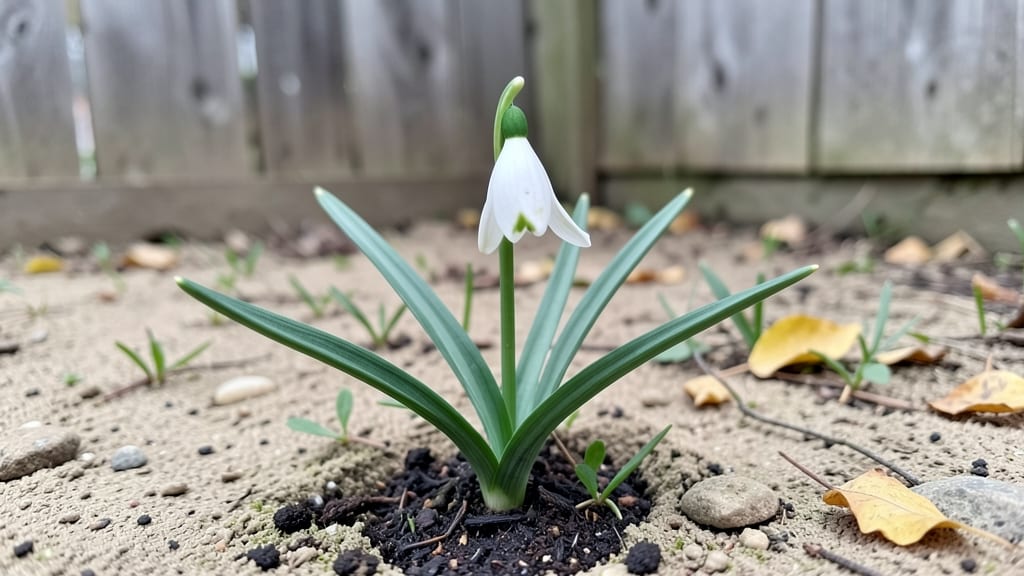
Seeing snowdrops in bloom is like catching a glimpse of spring before winter even says goodbye—those delicate white bells peek through the snow with a quiet confidence that’s hard to beat.
There’s something magical about those first blooms, but if you’ve ever planted snowdrops only to wonder why they’re not showing up when you expect, you’re not alone. The secret lies in timing: too early, and they’ll struggle; too late, and you’ll miss their fleeting beauty.
In Zone 6, the ideal window is September to October, but there’s more to it than just the calendar.
Snowdrops thrive in partial shade and well-draining soil, making them perfect for under trees or along shady garden edges. Their early bloom supports pollinators when little else is out, and their subtle elegance pairs beautifully with hellebores or crocuses for a layered winter-to-spring display.
In this guide, I’ll walk you through the best planting times, how to choose varieties for peak performance, and care tips to ensure your snowdrops bloom reliably year after year—so you’re ready to welcome spring with open petals.
Best planting times for snowdrops to ensure early spring blooms
Timing is everything when planting snowdrops (Galanthus)—these early spring bloomers thrive when planted in their natural dormancy window. Most gardeners swear by fall planting (September–October in most zones), but regional adjustments and soil conditions can shift that timeline.
For USDA zones 3–7, aim for 6–8 weeks before frost to let bulbs establish roots before winter. In warmer zones 8–10, late fall or even early spring works, but blooms may arrive earlier.
Snowdrops are shade-loving perennials that naturalize beautifully over time. Planting them too late in fall risks shallow roots, while spring planting (March in cooler zones) can delay blooms by a season.
The key? Moist, well-draining soil and partial shade—both critical for bulb health. Let’s break down the best windows by zone, plus how to adapt for your local climate.
| Climate Zone | Ideal Planting Window | Soil Prep Tip | Bloom Time |
|---|---|---|---|
| USDA 3–5 (Cold Winters) | September 15–October 15 | Amend with compost; avoid clay | Late February–March |
| USDA 6–7 (Temperate) | October 1–November 1 | Ensure 6+ inches of organic matter | March–April |
| USDA 8–10 (Mild Winters) | November–January or March | Prioritize drainage; mulch lightly | January–February |
In northern gardens (zones 3–5), planting snowdrops in late September gives bulbs time to root before frost sets in. The soil temperature should hover around 50–60°F—cool enough to deter fungal issues but warm enough for root growth.
For southern zones (8–10), where winters are milder, late fall or early spring planting works, but blooms may appear as early as January.
If you’re in a transition zone (6–7), aim for October planting—this balances root establishment with winter dormancy. Use a moisture meter to check soil; snowdrops hate soggy conditions but need consistent moisture during root growth.
A 2–3 inch layer of mulch (straw or shredded leaves) helps regulate soil temps and retain moisture.
Spring planting is riskier but possible if you miss fall. Plant early March in cooler zones or February in warmer areas, but expect blooms to arrive 1–2 years later than fall-planted bulbs.
This delay happens because bulbs need a cold period to trigger flowering—a process called vernalization. For long-term naturalization, prioritize fall planting to build a self-sustaining colony.
Watch for seasonal cues like leaf drop on deciduous trees or first frost dates in your area. In USDA zone 6, for example, planting by October 15 ensures roots establish before consistent freezing.
If your soil stays workable until November, you can push planting to early November—but avoid compacting soil with heavy equipment.
For container gardening, plant snowdrops in well-draining pots with a mix of peat moss and perlite. Containers dry out faster, so water every 5–7 days in fall and bi-weekly in winter.
Place pots in partial shade (e.g., under decorative trees) to mimic their woodland habitat. In urban gardens, where soil may be compacted, amending with sand or coconut coir improves drainage.
Pro tip: Layer snowdrops with other early bloomers like crocuses (Crocus) or winter aconites (Eranthis) to extend your early spring color palette. Plant crocuses first (deeper, 3–4 inches), then snowdrops (2–3 inches deep), and top with mulch.
This creates a staggered bloom sequence from late winter through early spring.
Finally, avoid planting snowdrops in full sun—they’ll bolt or fail to bloom. Instead, choose dappled shade under trees or north-facing borders. With the right timing and conditions, your snowdrops will reward you with years of effortless, snow-kissed blooms—the first sign that spring is on its way.
How to choose snowdrop varieties for peak bloom performance
Snowdrops (Galanthus) are winter’s unsung heroes, offering delicate blooms that pierce through snow and ice. To extend your early spring color, select varieties with staggered bloom times—some flower in January, while others linger into March.
This strategy ensures a continuous display, transforming your garden into a winter wonderland.
Not all snowdrops are created equal. Galanthus nivalis (common snowdrop) is the classic choice, but Galanthus elwesii and Galanthus plicatus offer taller, more dramatic options. Each species has unique traits—from fragrant blooms to varying heights—that can elevate your garden’s winter interest.
Bloom time is the most critical factor when choosing varieties. Early bloomers like 'S. Arnott' (January) create a show-stopping display, while late varieties like 'Magnet' (March) keep your garden vibrant until spring arrives. Mixing these ensures non-stop color from winter’s end.
🌱
🌷 Pairing snowdrops with other winter bloomers like hellebores and crocuses creates a layered effect that extends your garden’s season. For example, Helleborus niger (Christmas rose) blooms alongside early snowdrops, while Crocus vernus adds pops of purple in late winter. This combo ensures your garden stays dynamic from December to April. For maximum impact, plant taller varieties like 'Galanthus elwesii' in the back of borders and shorter ones like 'Flore Pleno' in the front. This creates depth and draws the eye to the delicate blooms as they emerge. Add a mulch layer (2-3 inches) of shredded bark or leaves to protect bulbs from temperature fluctuations and retain moisture. Fragrance is another key consideration. If you love scented flowers, prioritize varieties like 'S. Arnott' or 'Galanthus elwesii', which release a subtle, sweet aroma that perfumes the air on crisp winter days. Even a small cluster near your patio or entryway will make your garden feel like a winter sanctuary. To keep your snowdrops thriving, divide clumps every 3-4 years in early fall. This prevents overcrowding and ensures vigorous blooms year after year. Plant new bulbs 2-3 inches deep in well-draining soil and water lightly until established. With the right mix of varieties, your garden will burst into bloom the moment winter loosens its grip.
Variety
Bloom Time
Height (inches)
Fragrance
Hardiness Zone
'S. Arnott'
January
6-8
Sweet
3-9
'Flore Pleno'
February
8-10
Mild
4-8
'Magnet'
March
10-12
None
3-9
'Galanthus elwesii'
February-March
12-18
Strong
3-8
'Galanthus plicatus'
January-February
10-14
Mild
4-8