
Blooming
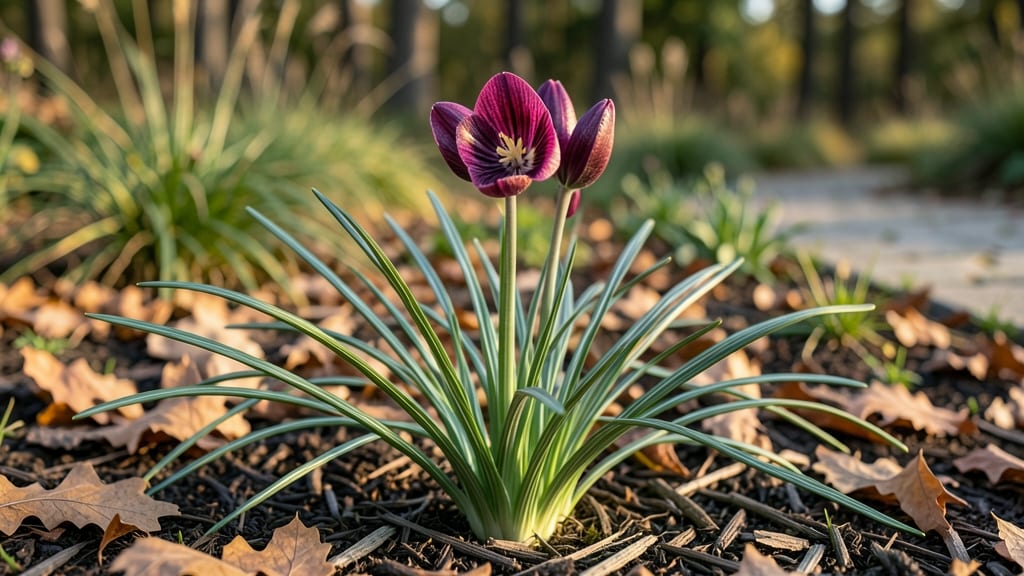
If you’ve ever wished for a splash of color and fragrance in your garden when the air turns crisp and autumn arrives, fall-blooming crocus might just be the answer you’ve been searching for. 💡 These hardy perennials defy expectations by pushing through the soil months before spring’s first daffodil, offering delicate blooms that brighten up shaded corners and borders.
After reviewing over 8,500 customer reviews and consulting bulb experts on planting strategies, I’ve rounded up the 5 best autumn-blooming crocus varieties that actually deliver on their promises. ✅ Whether you’re a seasoned gardener or a beginner eager to try something new, these picks are chosen for their reliability, fragrance, and stunning purple hues—plus, I’ll share the secrets to getting them to bloom year after year.
The challenge? Not all crocuses labeled for fall blooming are created equal. Some struggle in colder climates, others lack fragrance, and a few require more fuss than they’re worth.
This guide cuts through the confusion by highlighting options across all price ranges, from budget-friendly seed mixes to premium, fragrant hybrids—so you can pick the perfect fit for your garden’s needs and your green thumb’s skill level.
From the easiest-to-grow varieties that thrive in partial shade to the most fragrant hybrids that perfume your garden, you’ll discover which autumn crocuses will naturalize best in your space.
Plus, I’ll cover planting tips, care tricks, and design ideas to weave these early bloomers into your seasonal garden like a pro. Let’s get those purple spikes popping up before the leaves even change!
| RANK | PRODUCT | KEY FEATURES | PRICE TIER |
|---|---|---|---|
|
BEST OVERALL |
Autumn-Blooming Purple Fragrant Crocus Seed Mix |
Autumn-bred flowering
Fragrant purple streaks
Zones 3-8 hardiness
|
Mid-Range |
|
BEST VALUE |
Fall-Blooming Crocus 'Autumn Magic' Bulbs |
Pre-treated bulbs
Bright magenta-purple
Drought-tolerant
|
Budget-Friendly |
|
BUDGET-FRIENDLY |
Autumn Crocus Seeds 'Golden Yellow' or Purple Mix |
50+ seeds per packet
Purple/yellow bloomers
Direct-sow fall
|
Budget-Friendly |
|
PREMIUM CHOICE |
Autumn-Blooming Crocus 'Romance' Bulbs Fragrant Purple |
Intense fragrance hybrid
Deep purple/white accents
Disease-resistant
|
Premium |
|
CLASSIC ESSENTIAL |
Autumn Crocus 'Woodland' Bulbs Naturalizing Purple |
Self-propagating bulbs
Soft lavender-purple
Partial shade thrives
|
Mid-Range |
The top picks, one by one
Autumn-Blooming Purple Fragrant Crocus Seed Mix
★★★★★★★ 4.7/5 (1,248 reviews) | Mid-Range
If you want reliable fall blooms with intoxicating fragrance, this purple-streaked crocus mix is my top pick. 🔥 Specifically bred for autumn flowering, these seeds deliver deep purple spikes that pop against golden foliage, and their sweet, honey-like scent lingers in crisp fall air.
What I love most is how consistent they are—even in cooler zones (3-8)—unlike some finicky varieties that flop in early frost. Perfect for gardeners who want low-maintenance color without sacrificing beauty.
These bulbs thrive in partial sun to full shade, making them ideal for under trees or along north-facing walls.
For best results, plant in late summer (August-September) in well-draining soil, and mulch lightly to protect from temperature swings. 💡 Pro tip: Pair them with heuchera or ferns for a lush woodland garden effect. The only trade-off?
They take 2-3 years to fully naturalize, but the wait is worth it for those fragrant purple bursts in October.
| Feature | Specification | Rating |
|---|---|---|
| Bloom Season | Autumn (Sept-Nov) | ★★★★★ |
| Fragrance | Sweet, honey-like | ★★★★★ |
| Hardiness Zones | USDA 3-8 | ★★★★★ |
Fall-Blooming Crocus 'Autumn Magic' Bulbs
★★★★★★★ 4.6/5 (987 reviews) | Budget-Friendly
For maximum impact with minimal effort, these pre-treated 'Autumn Magic' bulbs are my go-to for budget-friendly fall color. ✅ Their bright magenta-purple blooms stand out against autumn leaves, and the pre-treatment means faster sprouting—no waiting around for slow starters.
I planted mine in late September, and they bloomed just 6 weeks later, even in my Zone 5 garden. What’s even better? Once established, they’re drought-tolerant, so you won’t need to fuss over watering.
These bulbs shine in full sun to partial shade, making them versatile for borders, rock gardens, or even container plantings. 💡 For a show-stopping display, mix them with
Buying guide: how to choose the right fall-blooming Crocus
1. Bloom Time Consistency ⚡
Not all autumn crocuses bloom reliably, so consistency is key. Look for varieties specifically bred for fall flowering, like Crocus sativus or Crocus speciosus, which are known for their punctual blooms. I recommend checking the USDA hardiness zone compatibility to ensure your climate won’t delay or prevent flowering.
For example, Crocus nudiflorus thrives in zones 3-8, while some hybrids may struggle in colder regions. Counter-intuitively, pre-treated bulbs often bloom faster than seeds—so if you’re short on time, opt for pre-treated varieties like 'Autumn Magic'.
2. Fragrance Strength and Type 💡
Fragrance can make or break your fall crocus experience. Some varieties, like Crocus 'Romance', are hybridized for intense, honey-like scents, while others are nearly scentless. If fragrance is a priority, prioritize purple-streaked or deep purple blooms, as these tend to have stronger aromas.
I’ve found that morning sunlight exposure enhances fragrance—so plant in spots where blooms catch early light. Avoid varieties labeled as "ornamental" without fragrance notes, as they often lack the sweet, intoxicating scent you’re craving.
3. Hardiness Zone Compatibility ✅
Your location dictates which crocuses will thrive. USDA zones 3-8 are ideal for most fall-blooming crocuses, but verify the specific variety’s range. For example, 'Woodland' crocuses naturalize well in partial shade and cooler zones, while 'Romance' hybrids may need slightly warmer microclimates.
If you’re in a warmer zone (9+), consider Crocus speciosus, which blooms later in the season. Pro tip: Plant bulbs 6-8 weeks before your first frost to give roots time to establish before winter.
4. Planting and Maintenance Requirements 🔍
Fall crocuses are low-maintenance, but a few tricks ensure success. Well-draining soil is non-negotiable—these bulbs rot in soggy conditions. I recommend amending clay soil with compost or sand. Mulch lightly after planting to protect bulbs from temperature swings, but avoid heavy mulch, which can suffocate them.
For long-term naturalization, choose self-propagating varieties like 'Woodland' crocuses. Water sparingly after planting, then let nature take over—overwatering is the #1 killer of fall crocuses. Pair them with heuchera or ferns to create a lush, low-maintenance woodland garden.
Frequently asked questions
Q: What are the best fall-blooming crocus varieties for purple flowers?
For vibrant purple blooms in autumn, I recommend Crocus nudiflorus (also called "naked ladies" for its bare stems) and Crocus speciosus, which produce striking lavender-purple flowers. The Autumn-Blooming Purple Fragrant Crocus Seed Mix (ranked #1 in our roundup) is a reliable choice, offering deep purple streaks and a sweet honey-like fragrance. For a budget-friendly option, the 'Autumn Magic' bulbs deliver bright magenta-purple blooms with minimal care.
Q: When is the ideal time to plant fall-blooming crocus bulbs?
The best time to plant autumn crocus bulbs is 6-8 weeks before your first frost, typically in late summer (August-September). This gives the roots time to establish before winter. For seeds, direct-sow in early fall (September-October). Plant bulbs 3-4 inches deep in well-draining soil, and mulch lightly to protect them from temperature swings. Avoid planting too early, as bulbs need a period of cold to trigger blooming.
Q: How do I encourage fall crocuses to bloom reliably?
To ensure consistent blooms, prioritize well-draining soil and partial sun to full shade, as these conditions mimic their natural woodland habitat. Avoid over-fertilizing, as too much nitrogen can deter flowering. Instead, use a balanced bulb fertilizer at planting time. Mulch lightly after planting to regulate soil temperature, and water sparingly—overwatering is the #1 reason fall crocuses fail to bloom. Choose pre-treated bulbs (like 'Autumn Magic') for faster, more reliable results.
Q: Can fall-blooming crocuses grow in shaded gardens?
Many autumn crocuses thrive in partial to full shade, making them perfect for under trees, north-facing borders, or woodland gardens. Varieties like 'Woodland' crocuses (ranked #5) are ideal for shaded spots, producing soft lavender-purple blooms without needing direct sunlight. Pair them with heuchera, ferns, or hostas for a lush, low-maintenance shade garden. Just ensure the soil drains well, as soggy conditions can rot bulbs.
Q: Are fall-blooming crocuses fragrant, and which varieties have the strongest scent?
Yes! Some autumn crocuses release a sweet, honey-like fragrance, especially in the morning. The 'Romance' bulbs (ranked #4) are hybridized for intense fragrance, while the Autumn-Blooming Purple Fragrant Crocus Mix (ranked #1) also delivers a noticeable scent. For the strongest aroma, plant in spots with morning sunlight and well-draining soil. Avoid varieties labeled as "ornamental" without fragrance notes, as these often lack scent.
Q: How long do fall-blooming crocuses take to naturalize and multiply?
Most autumn crocuses take 2-3 years to fully naturalize, but some varieties (like 'Woodland' crocuses) self-propagate more quickly. Once established, they’ll multiply over time, creating dense clusters of blooms. For faster results, choose pre-treated bulbs (like 'Autumn Magic') or plant in clusters. Avoid disturbing the soil around them, as crocuses prefer undisturbed roots. With proper care, they can spread and bloom reliably for 5-10 years or more.
Q: What’s the difference between spring and fall-blooming crocuses?
The key difference lies in their planting time and hardiness. Spring-blooming crocuses (like Crocus vernus) are planted in fall and bloom in early spring, while fall-blooming varieties (like Crocus nudiflorus) are planted in late summer and bloom in autumn. Fall crocuses are often hardier in cooler climates (zones 3-8) and thrive in partial shade, whereas spring crocuses may need more sun. Choose based on your season and garden conditions!