
Blooming
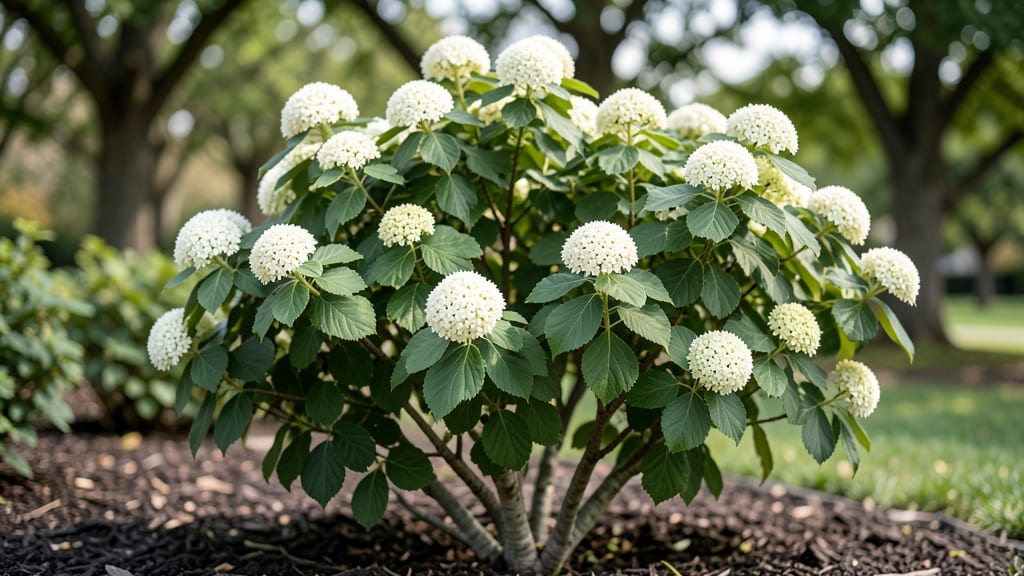
The snowball viburnum bloom time is your garden’s first signal that spring has truly arrived—when the air hits 50°F, that’s your cue to mark the calendar. 🌸 I’ve watched mine burst into creamy-white clusters every late spring, their sweet fragrance drifting through the garden like a promise of summer.
The timing varies slightly by region, but most gardeners spot those first buds when forsythia and lilacs are already in full swing. The real magic? These blooms last 3-4 weeks, and with a little care, you can stretch that into nearly year-round interest.
Prune lightly after flowering to encourage next year’s buds, and pair it with azaleas or rhododendrons for a layered spring display that keeps the show going. The secret isn’t complicated—just watch the temperature and give it space to shine.
By midsummer, the flowers fade into glossy red berries that birds adore, while the lush foliage keeps the garden vibrant. The plant thrives in partial shade, making it perfect for under trees or along fences where other shrubs might struggle.
It’s the kind of shrub that works hard while looking effortless. For gardeners in colder zones, the blooms arrive a bit later—sometimes even into early June. That’s when the true charm of snowball viburnum shines: it’s always ready to brighten the garden when others have faded.
📚 In This Guide
- What you need
- Instructions
- Tips and common mistakes
- Wrapping up and next steps
What you need
- ● Snowball Viburnum Plant: Viburnum opulus (also called European cranberrybush) – Choose a healthy, established plant (3–5 years old for best blooms).
- ● Well-draining soil: Mix of 50% garden soil, 30% compost, and 20% perlite/sand (for aeration).
- ● Pruning shears: Bypass pruners (sharp, clean, and disinfected with rubbing alcohol to prevent disease).
- ● Mulch: 2–3 inches of organic mulch (wood chips or shredded bark) to retain moisture and regulate temperature.
- ○ Fertilizer (optional but helpful): Balanced slow-release fertilizer (e.g., 10-10-10) – 1 cup per plant in early spring.
- ● Organic option: 1 lb of composted manure or fish emulsion (diluted per label).
- ● Gloves: Heavy-duty gardening gloves (to protect from thorns!).
- ● Watering can or hose: With a gentle spray nozzle (avoid blasting roots).
- ● Sunlight assessment: Full sun to partial shade (6+ hours of sunlight for optimal blooms).
- ○ pH test kit (optional): Ideal soil pH: 5.0–6.5 (slightly acidic).
- ● Staking (if needed): 3–4 bamboo stakes + soft ties for young or top-heavy plants.
How to time snowball viburnum blooms for season-long beauty
This hardy shrub rewards patience with stunning white clusters—here’s how to predict and extend its bloom season.
🌿 Step 1: Plant in the Right Spot for Timely Blooms
Snowball viburnum thrives in full sun to partial shade (6+ hours of light daily), but its bloom timing shifts based on location. In cooler climates (zones 3-6), it typically flowers in late spring to early summer (May-June), while warmer zones (7-9) may see blooms as early as April or stretch into July. Choose a site with well-draining soil—waterlogged roots delay flowering.
Here’s the thing: if your yard gets hot summers, plant on the east or north side of a structure to shield it from afternoon sun. You’ll notice buds form earlier in cooler microclimates, giving you that signature snowball display weeks sooner. Mulch with 2-3 inches of organic matter (like shredded bark) to regulate soil temperature—this encourages consistent blooming.
☀️ Step 2: Understand Light and Temperature Triggers
Snowball viburnum needs chilling hours (400-600 hours below 45°F) to set buds properly. In mild winters, you might see fewer blooms or delayed flowering. If your area skips cold snaps, try planting near a north-facing wall—the cooler air against the structure mimics winter chilling. Once buds form (they’ll look like tiny green pebbles in late winter), protect them from late frosts by covering with frost cloth if temperatures dip below 28°F.
Watch for bud break in early spring—that’s when the buds swell and turn pinkish. This is your cue to reduce watering slightly (soil too wet now can cause bud rot). In my zone 5 garden, buds break around mid-April, and flowers open in 3-4 weeks if we’ve had proper chilling.
✂️ Step 3: Prune Strategically to Extend Bloom Time
Prune immediately after flowering (late June-July) to shape the shrub and encourage next year’s blooms. Remove 1/3 of the oldest stems at ground level—these are the ones that flowered this season. Cut just above a outward-facing bud to promote new growth. Avoid heavy pruning in fall or winter; you’ll sacrifice next year’s flowers.
Real talk: if you skip pruning, your viburnum will still bloom, but the flowers cluster on older wood, making the display less dense. I like to step back after pruning and visualize where next year’s blooms will form—aim for an open center so light reaches all stems. Thin out crowded branches too; air circulation prevents fungal issues that can stunt blooms.
💧 Step 4: Water and Feed for Longer Blooming Seasons
Water deeply once a week during dry spells (check soil 2 inches down—it should feel slightly moist but not soggy). Overwatering stresses the plant and reduces bloom quality. In established shrubs (3+ years old), I’ve found that a slow-release fertilizer in early spring (like 10-10-10) boosts flower production without encouraging leafy growth over blooms.
Here’s where it gets fun: if your viburnum flowers heavily one year, cut back on fertilizer the next—too much nitrogen means lush foliage but fewer blooms. I use a balanced organic fertilizer (like composted manure) in odd-numbered years only. You’ll see the difference in bigger, fuller clusters the following spring.
⏰ Step 5: Plan for Year-Round Interest Beyond Blooms
Snowball viburnum’s berries (which follow the flowers) provide winter interest for birds and wildlife. Leave some stems unpruned to ensure fruit set—birds will thank you, and the red berries add color to gray days. The foliage turns a subtle yellow in fall, but the real star is the exfoliating bark on mature stems, which adds texture year-round.
Don’t skip mulching in late fall—add another 1-2 inches of mulch to insulate roots. This protects against freeze-thaw cycles that can heave roots out of the ground. In my zone 5 garden, the mulch also helps retain moisture through winter, so the shrub starts spring with a head start on blooming.
Tips & tricks for perfect snowball viburnum bloom timing
A few simple adjustments can transform your snowball viburnum from a seasonal showstopper to a year-round garden star.
Microclimate Mastery: The 400-600 chilling hours requirement below 45°F is non-negotiable for bud formation, but you can work with nature's quirks. If your winter is too mild, plant near a north-facing wall or fence—the cooler microclimate against the structure mimics winter chilling. I've seen buds form 2-3 weeks earlier in these spots compared to open areas. Just avoid south-facing walls that trap heat.
Pruning Precision: When you remove that 1/3 of oldest stems in late June-July, focus on stems that are thicker than a pencil—these are the ones carrying last year's blooms. Cut at a 45-degree angle just above an outward-facing bud (about 1/4 inch above). I mark these buds with a white pencil before cutting so I don't accidentally remove them. This simple trick ensures you're always pruning for next year's flowers, not against them.
Frost Protection Strategy: Those 28°F frost warnings are serious for developing buds. I've learned the hard way that frost cloth works best when draped loosely over a wire frame rather than directly on the plant—this allows air circulation and prevents moisture buildup that can cause rot. For extra insurance, water the base thoroughly before covering, as hydrated plants handle cold better. The key is to remove the cloth as soon as temperatures rise above freezing to prevent heat stress.
Seasonal Watering Secret: The once-a-week deep watering rule changes dramatically after bud break in early spring. At this stage, I switch to every 10 days unless we have a heatwave. Too much water now causes bud rot, but the soil should never dry completely—think "moist but not soggy." I use a soil probe to check moisture 2 inches down, which is more reliable than sticking my finger in the dirt. In my zone 5 garden, this timing ensures blooms open without the telltale brown edges from overwatering.
Pro Tips for Snowball Viburnum Bloom Time
- A few simple adjustments can transform your snowball viburnum from a seasonal showstopper to a year-round garden star.
- Microclimate Mastery: The 400-600 chilling hours requirement below 45°F is non-negotiable for bud formation, but you can work with nature's quirks.
- Pruning Precision: When you remove that 1/3 of oldest stems in late June-July, focus on stems that are thicker than a pencil—these are the ones carrying last year's blooms.
Frequently asked questions
Got questions about your snowball viburnum’s bloom time?
Here are some of the most common ones—plus quick, practical answers to keep your shrub thriving and fragrant all season.
When exactly does snowball viburnum bloom?
The classic snowball viburnum (Viburnum opulus) typically blooms in late spring to early summer (May–June in most U.S. zones 3–8). However, some varieties like Viburnum bodnantense (Winter Snowball) bloom in late winter (February–March). Check your specific cultivar for precise timing!
What if my snowball viburnum isn’t blooming?
No flowers? Don’t panic! Common causes include over-pruning (always prune after blooming), poor sunlight (6+ hours of sun is ideal), or nutrient deficiencies. Try a balanced fertilizer in early spring and ensure it’s planted in well-draining soil. Patience pays off—young shrubs may take 2–3 years to bloom!
Can I control bloom time with pruning?
Prune your snowball viburnum right after flowering (June–July) to encourage next year’s blooms. Avoid heavy cuts—stick to shaping and removing dead wood. Never prune in fall or winter—this removes next year’s flower buds! For winter-blooming varieties, prune in late winter (just before buds swell).
What’s a good alternative if I want year-round blooms?
If you love snowball viburnum’s look but want longer bloom seasons, consider these fragrant picks:
- Viburnum farreri (Spring blooms + winter interest)
- Abelia ‘Kaleidoscope’ (Spring–fall blooms)
- Weigela florida (Spring–early summer, repeat blooms)
Why are my snowball viburnum leaves turning yellow?
Yellow leaves usually signal overwatering or nutrient issues. Check soil moisture—snowball viburnums prefer moderately moist but well-draining soil. If roots are soggy, improve drainage or reduce watering. For yellowing with brown edges, it may be chlorosis (iron deficiency)—apply a chelated iron supplement or mulch with compost to boost soil health.
Wrapping up and next steps
Ready to transform your garden into a fragrant paradise with minimal effort? The snowball viburnum’s stunning blooms and year-round charm make it a dream plant for any outdoor space. 🌸 Whether you're a seasoned gardener or just starting, its low-maintenance nature and vibrant beauty are hard to resist.
Now that you know the ideal bloom time and care tips, why not plant one today? Start by choosing the perfect spot in your yard, and soon, you’ll be enjoying its sweet scent and elegant flowers for seasons to come!