
Blooming
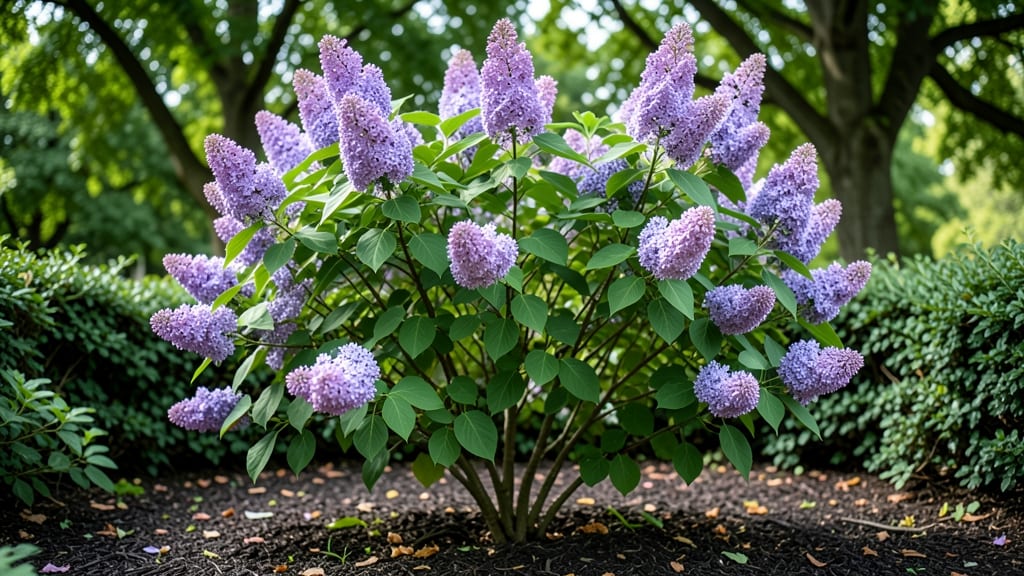
Your lilacs could be blooming two weeks earlier than neighbors’—and it starts with a single cut. ✂️ I’ve watched my own bushes go from sparse, late blooms to bursting with purple clouds by mid-April, all thanks to timing pruning right after the flowers fade.
The secret isn’t complicated: it’s about when you prune, not how hard. Most gardeners wait until summer to trim, but that’s when you’re actually cutting off next year’s buds. Instead, prune right after blooming ends (usually late May or June), and you’ll encourage stronger growth for the following season.
Regional variations matter too—Northern gardeners get blooms in May, while Southern lilacs often wait until June. The key is matching your cuts to your climate. What you’ll end up with is longer bloom seasons and more intense fragrance.
My bushes now flower for 10-14 days straight, filling the air with that classic sweetness. The trick is patience: lilacs reward careful pruning with years of reliable blooms. Works for all lilac varieties, whether you’ve got French hybrids or common purple blooms.
Here’s how to time it perfectly for your zone!
📚 In This Guide
- What you need
- Instructions
- Tips and common mistakes
- Wrapping up and next steps
What you need
- ● Pruning shears: Sharp, bypass-style shears (avoid anvil shears—they crush stems). 1 pair (or 2 if you have multiple lilac bushes).
- ○ Hand pruners: For smaller branches (optional but handy). 1 pair.
- ● Garden gloves: Heavy-duty, cut-resistant gloves to protect from thorns. 1 pair.
- ● Disinfectant (70% rubbing alcohol or garden disinfectant): To sterilize tools between cuts. Small bottle.
- ● Rake or broom: For clearing debris post-pruning. 1 unit.
- ● Loppers: For thicker branches (if your lilacs are mature). 1 pair.
- ● Pruning saw: For stubborn, woody stems. 1 unit.
- ● Garden twine or ties: To secure heavy branches temporarily. Small roll.
- ● Plant food (balanced fertilizer, 10-10-10): To nourish lilacs post-pruning. 1 bag.
- ● Knowledge of lilac growth: Familiarize yourself with old wood vs. new wood blooming habits.
- ● Weather check: Prune on a dry, overcast day (avoid rain or extreme heat).
- ● Safety first: Wear long sleeves and closed-toe shoes to avoid thorns and scrapes.
Step-by-Step guide to pruning lilacs for longer bloom time
Here’s how to coax those fragrant clusters into blooming bigger and longer every spring—no guesswork, just proven techniques.
✂️ Step 1: Prune Immediately After Flowering
Wait until after all blooms have faded—this is critical. Lilacs set next year’s buds right after flowering, so cutting too early removes those future blossoms. I always prune in late May or early June, when the flowers have dropped but the foliage is still fresh and green.
Use clean, sharp pruners to cut just above a bud or leaf node (the bump where leaves or stems emerge). Avoid leaving stubs—they invite disease. If you’re unsure which buds will bloom, cut back to a healthy outward-facing bud to encourage an open, airy shape.
🌿 Step 2: Thin Out Crowded Branches
Lilacs bloom best on wood from the previous year, so focus on removing old, crossing, or weak branches first. Start by identifying 3-4 of the strongest, youngest stems—these will be your plant’s backbone. Remove any branches that rub against each other or grow inward, as they compete for energy and can break.
For each branch you cut, make the snip at a 45-degree angle about ¼ inch above the bud. This prevents water from pooling and rotting the stem. If a branch is thicker than your wrist, use loppers—never prune with dull tools, as they tear wood and stress the plant.
☀️ Step 3: Shape for Sunlight and Airflow
Lilacs need full sun (6+ hours daily) to produce their best blooms, so prune to open up the center of the plant. Cut back overly dense growth to let light reach the inner branches. Aim for a rounded, vase-like shape—this encourages even blooming and prevents leggy growth.
Watch for water sprouts (thin, upright shoots) that pop up after pruning. These steal energy from flowers, so snip them off at the base as soon as you spot them. A well-shaped lilac will have strong, evenly spaced branches with no bare spots in the center.
⏰ Step 4: Feed and Water for Next Year’s Blooms
After pruning, water deeply to help the plant recover. Lilacs have deep roots, so aim for 1-2 inches of water per week, especially during dry spells. I mix in a balanced fertilizer (10-10-10) in early fall to build next year’s buds—this is when lilacs start preparing for spring.
Mulch around the base with 2-3 inches of organic mulch (like shredded bark) to retain moisture and regulate soil temperature. Keep the mulch a few inches away from the trunk to prevent rot. With proper care, your lilac will reward you with larger, longer-lasting blooms next season.
🌱 Step 5: Monitor for Pests and Disease
Pruning opens the plant up, so keep an eye out for aphids, spider mites, or borers in the weeks after cutting. Spray with neem oil if you spot tiny webs or sticky residue on leaves. Lilacs are tough, but stress from pruning can make them vulnerable to powdery mildew—a white, flour-like coating on leaves.
If you see mildew, remove affected leaves immediately and improve airflow by pruning again lightly. Healthy lilacs bloom for 2-3 weeks with proper care, but neglected ones may only put out weak, sparse flowers. A little attention now means years of fragrant blooms with minimal effort.
Tips & tricks for perfect lilac pruning
These little-known tricks will help you maximize your lilac's fragrance and beauty for years to come.
Timing is Everything: I can't stress this enough—the window between flowers fading and new buds forming is narrow. Mark your calendar for late May or early June and prune within that exact timeframe. If you wait too long, you'll miss the best opportunity to encourage robust blooms next season. The plant needs this precise timing to redirect energy toward flower production rather than seed development.
The 45-Degree Angle Secret: When making your cuts in Step 2, that 45-degree angle isn't just for looks—it's a water-shedding technique. This angle prevents water from pooling at the cut site, which dramatically reduces the risk of fungal infections. I've seen too many lilacs develop rot simply because pruners left flat cuts that acted like little water traps. Make every cut with confidence at that angle, about ¼ inch above the bud.
Shape Matters More Than You Think: The vase-like shape mentioned in Step 3 isn't arbitrary—it's about creating an ideal structure for sunlight penetration. Aim for branches that spread outward like a fountain. This open structure allows light to reach all parts of the plant, which is crucial for even blooming. I've noticed that lilacs with dense centers often produce fewer flowers because the inner branches get shaded out. Take your time shaping—it's worth the extra few minutes.
Post-Pruning Care Makes All the Difference: After you've finished pruning, don't just walk away. The 1-2 inches of water per week recommendation is non-negotiable, especially during dry spells. I've seen pruned lilacs struggle when they don't get enough water during their recovery period. Also, that 10-10-10 fertilizer in early fall is your secret weapon—it gives the plant the nutrients it needs to build next year's flower buds while it's still preparing for dormancy.
Pro Tips for Lilac Bloom Time
- These little-known tricks will help you maximize your lilac's fragrance and beauty for years to come.
- Timing is Everything: I can't stress this enough—the window between flowers fading and new buds forming is narrow.
- The 45-Degree Angle Secret: When making your cuts in Step 2, that 45-degree angle isn't just for looks—it's a water-shedding technique.
Frequently asked questions
Got questions about lilac bloom time? You’re not alone! Here are some of the most common concerns—plus quick answers to help you keep those fragrant blooms coming year after year.
When is the best time to prune lilacs to encourage blooms?
Prune your lilacs right after they finish blooming (typically late spring or early summer). This ensures you don’t cut off next year’s flower buds, which form on old wood. Avoid pruning in fall or winter—you’ll risk removing next season’s blooms before they even form!
Why aren’t my lilacs blooming this year?
Lilacs often skip blooming due to over-pruning (cutting back too late or too aggressively), poor nutrition, or disease. Check for dead or diseased branches first. If your plant is healthy but still bare, it might be too young (3–5 years old) or overcrowded. Thin out branches to improve airflow!
Can I prune lilacs in fall or winter?
No—never prune lilacs in fall or winter! Flower buds form on old wood in late summer/early fall, so cutting back then removes next year’s blooms. If you must prune outside the ideal window (late spring), stick to light shaping only and avoid heavy cuts.
What if my lilac blooms are sparse or weak?
Sparse blooms often mean your lilac needs more sunlight (6+ hours/day), balanced fertilizer (high in phosphorus), or better drainage. Try pruning to open the center for airflow, and feed with a 10-10-10 fertilizer in early spring. Mulch around the base to retain moisture!
Are there lilac varieties that bloom later in the season?
Yes! Some late-blooming varieties like ‘Miss Kim’ or ‘Dwarf Korean’ produce flowers in mid-to-late spring, extending your bloom time. Others, like ‘Bloomerang’, rebloom in summer after the first flush. Choose based on your climate—southern regions may need heat-tolerant types.
Still stumped? Drop your lilac woes in the comments—we’re happy to help troubleshoot!
Wrapping up and next steps
There you have it—your lilac’s secret to year-round fragrance! With the right pruning timing, tools, and techniques, you can transform your garden into a perfumed paradise that blooms beautifully and smells even better.
Remember, patience and consistency are key—your lilacs will thank you with lush, fragrant blooms season after season.
Ready to put your new skills to work? Grab your pruners, check the weather, and give your lilacs the care they deserve. Happy pruning—and happy sniffing! 🌸✨