
Blooming
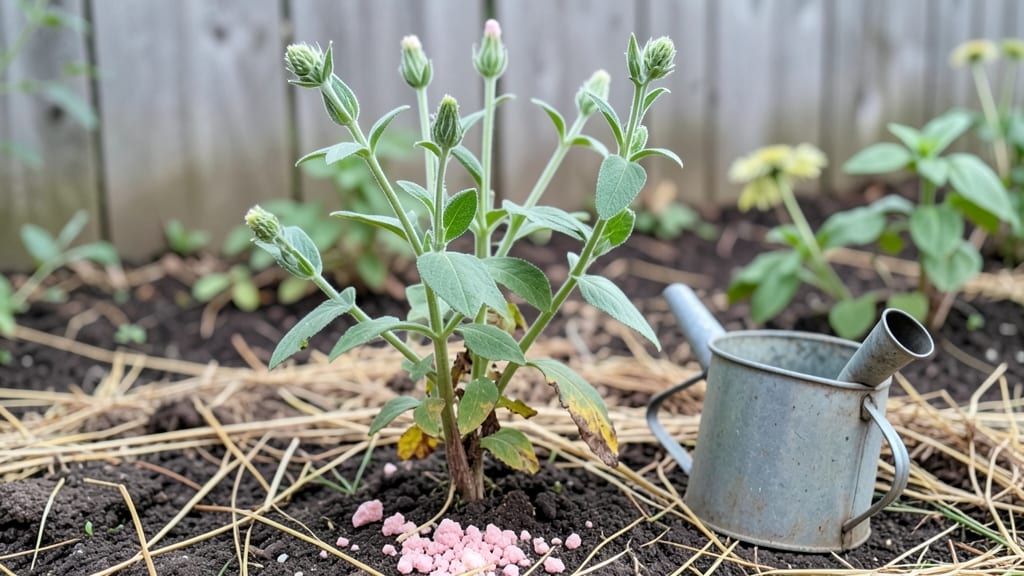
Snapdragons not blooming can turn your garden into a sea of green stems—until you know the three simple fixes that actually work. 🌿 I’ve nursed back more snapdragons than I’d like to admit, and the key always starts with light, food, and timing.
Most gardeners miss one of these, leaving plants frustrated and flowerless.
The most common culprit? Not enough sunlight. Snapdragons need 6+ hours of direct sun daily, and if they’re tucked in shade, they’ll put all their energy into leaves instead of blooms. Then there’s the fertilizer—too much nitrogen makes them grow like weeds, while too little starves them.
Finally, pruning at the wrong time (like cutting back after buds form) sends the plant into a second growth spurt instead of flowering.
Within 2-4 weeks of adjusting these three things, you’ll see buds forming again—sometimes even on the same plants you thought were hopeless. The first blooms might be smaller, but they’ll come back stronger, and you’ll have that classic snapdragon charm back in your garden.
Works for both annual and perennial varieties, whether you’re growing in beds, containers, or window boxes. Let’s get those buds popping open again—no guesswork, just results.
Why it happens
If your snapdragons are putting out lush green foliage but refusing to burst into bloom, don’t panic—this is a common issue with clear causes. Understanding why your plants are holding back the show is the first step to fixing it.
Below, we break down the science-backed reasons your snapdragons might be playing hard to bloom, along with actionable insights to turn things around.
🌱 Insufficient Light Exposure
Snapdragons (Antirrhinum majus) are light-lovers, and if they’re not getting enough, they’ll prioritize leaf growth over flowering.
These plants thrive in full sun (6–8 hours of direct light daily), but anything less—especially in shady spots—triggers a survival response. Why? Low light reduces photosynthesis efficiency, so the plant diverts energy to growing more leaves to capture whatever sunlight it can.
Actionable fix:
- Move your snapdragons to a sunnier location (south- or west-facing spots are ideal in the Northern Hemisphere).
- If relocating isn’t possible, supplement with a grow light (12–14 hours/day) to mimic natural light cycles.
- 💡 Pro tip: Watch for etiolation (long, leggy stems with sparse leaves)—this is a dead giveaway your plants are light-deprived.
💧 Overwatering or Poor Drainage
Too much water—or waterlogged soil—stresses snapdragons, forcing them into a "wait-and-see" mode before they’ll commit to flowering. Why? Excess moisture suffocates roots, limiting their ability to absorb nutrients like phosphorus (critical for blooms) and potassium. It also encourages fungal diseases, which further drain the plant’s energy.
Actionable fix:
- Check soil moisture by sticking your finger 1–2 inches deep; water only when the topsoil is dry.
- Ensure pots or garden beds have drainage holes and use well-amended soil (add perlite or sand for aeration).
- 🌡️ Watch for: Yellowing leaves or a sour smell from soil—signs of overwatering.
🍽️ Nutrient Imbalances (Too Much Nitrogen)
Snapdragons need a balanced diet, but too much nitrogen (the first number in NPK fertilizer ratios) leads to leafy monsters instead of blooms. Why? Nitrogen fuels foliage growth, while phosphorus (_P_) and potassium (_K_) are essential for flower development.
A soil test can reveal imbalances, but even over-fertilizing with general-purpose fertilizers can skew the ratio.
Actionable fix:
- Switch to a low-nitrogen, high-phosphorus fertilizer (e.g., 5-10-10 or 3-4-6 ratio).
- Feed lightly every 3–4 weeks during the growing season (spring to early summer).
- 💪 Organic boost: Mix in composted bone meal (3–4 tbsp per plant) for a phosphorus kick.
⏳ Wrong Planting Time or Variety
Snapdragons are cool-season bloomers, meaning they thrive in mild temperatures (60–75°F) and often go dormant in extreme heat. Planting them too late in the season—or choosing heat-sensitive varieties—can stunt flowering. Why? Heat stress triggers early bolting (flower stalk production) or causes buds to drop before opening.
Actionable fix:
- For spring blooms: Start seeds indoors 8–10 weeks before the last frost or plant outdoors in early spring.
- For fall blooms: Sow seeds 6–8 weeks before the first frost in your zone.
- ✨ Heat hack: Choose heat-tolerant varieties like ‘Dragon Wing’ or ‘Rocket’ series for summer color.
🐞 Pest or Disease Pressure
Hidden pests (aphids, spider mites, or slugs) or fungal issues (like powdery mildew) sap your snapdragons’ energy, leaving them too weak to produce flowers. Why? Pests feed on sap, while diseases clog stomata (leaf pores), reducing photosynthesis. The plant’s survival instinct shifts to repairing damage instead of blooming.
Actionable fix:
- Inspect leaves and stems for webs, holes, or sticky residue (aphid honeydew).
- Spray with neem oil or insecticidal soap for pests; use copper fungicide for mildew.
- 🎯 Preventative tip: Space plants 12–18 inches apart for airflow and remove spent blooms to reduce disease risk.
How to solve it
If your snapdragons are throwing tantrums by refusing to bloom, don’t panic—these vibrant beauties just need a little TLC to get back on track! 🌸 The good news? Most issues are fixable with simple adjustments.
Below, we’ve mapped out the most common causes of stubborn buds and the easy fixes to coax those colorful blooms back into action. Plus, we’ll share pro tips to prevent future flops so your garden stays a showstopper all season.
###
🌱 1. Too Little Light = Lazy Blooms
Snapdragons are sun-worshippers—they crave 6–8 hours of full sun daily. If your plants are tucked in the shade or partially blocked, they’ll focus on leafy growth instead of blooming.
How to Fix It:
- 🔥 Relocate your plants to a sunnier spot ASAP. Even an east- or west-facing garden bed works if it gets morning or afternoon sun.
- 🍳 Use reflective surfaces (like white gravel or mirrors) to bounce extra light onto shaded areas.
- 👨🍳 Prune nearby trees/shrubs if they’re hogging the sunlight.
Prevent Relapses:
💡 Tip: Plant snapdragons near tall, late-blooming perennials (like hollyhocks) so they get sunlight early in the season but still benefit from companionship later.
###
💧 2. Water Woes: Too Much or Too Little
Snapdragons hate soggy roots and thirsty roots. Overwatering suffocates roots, while underwatering stresses plants into a leaf-only mode. Aim for consistently moist (not soggy) soil.
How to Fix It:
- 🥘 Check soil moisture by sticking your finger 1–2 inches deep. Water if it’s dry.
- ⏰ Water deeply 2–3 times per week (early morning is best to prevent fungal issues). Use a drip irrigation system or soaker hose for even moisture.
- 🔪 Improve drainage by adding compost or perlite to heavy clay soil.
Prevent Relapses:
🌡️ Tip: Mulch around plants with 2–3 inches of organic mulch (like straw or shredded bark) to retain moisture and regulate temperature.
###
🌿 3. Over-Fertilized = All Leaves, No Flowers
Too much nitrogen (common in lawn fertilizers) = lush foliage but zero blooms. Snapdragons need a balanced or low-nitrogen fertilizer (like 5-10-10) to encourage flowers.
How to Fix It:
- 🔥 Flush the soil with water to leach excess fertilizer, then wait 4–6 weeks before reapplying.
- 🍳 Switch to a bloom-boosting fertilizer (look for higher phosphorus—the middle number—like 10-20-10).
- 👨🍳 Feed lightly: Use half the recommended dose and apply every 4–6 weeks during the growing season.
Prevent Relapses:
🎯 Tip: Skip fertilizing in late summer—this gives plants time to focus on blooming instead of new growth.
###
✂️ 4. Deadheading (or Not) = Missed Blooms
Snapdragons bloom prolifically, but if you ignore spent flowers, the plant diverts energy into seed production instead of new buds. Deadheading (removing faded blooms) keeps them flowering like crazy!
How to Fix It:
- 🔪 Snip spent blooms at the base of the flower stem (just above a set of leaves).
- 🌸 Do this weekly during peak bloom time (spring to fall).
- 💡 Bonus hack: If your snapdragons are very leggy, trim the entire plant back by 1/3 to encourage bushier growth and more blooms.
Prevent Relapses:
✨ Tip: Train yourself to deadhead while weeding—grab a pair of small pruners and tackle both tasks at once!
###
🌡️ 5. Temperature & Stress = Blooming Strike
Snapdragons are cool-season lovers. If temps soar above 85°F (29°C) or drop below 50°F (10°C), they’ll throw a fit and stop blooming. Heat stress also causes buds to drop off before opening.
How to Fix It:
- 🌿 Provide afternoon shade in extreme heat with a lightweight shade cloth (30–50% coverage).
- 💧 Water at the base (not overhead) to keep roots cool and avoid fungal issues.
- 🏡 Extend the season: In hot climates, plant snapdragons in fall or early spring to avoid summer heat.
Prevent Relapses:
🎯 Tip: Choose heat-tolerant varieties like ‘Cupid’ or ‘Matrix’ if you garden in hot zones.
With these fixes, your snapdragons should be bursting with color in no time! 🎉 Remember, consistency is key—stick with the care routine, and your plants will reward you with months of cheerful blooms.
Need a quick cheat sheet? Bookmark this page and revisit it whenever your snapdragons start acting out!
Frequently asked questions
Why do my snapdragons keep growing leaves but no flowers?
This usually happens when your plants are getting too much nitrogen or not enough sunlight. Snapdragons prioritize leaf growth when they’re overfed with high-nitrogen fertilizers or stuck in shady spots. Switch to a low-nitrogen fertilizer (like 5-10-10) and move them to 6+ hours of direct sun daily—you’ll see buds forming in 2-3 weeks!
Can I save my snapdragons if they’re leggy and not blooming?
Leggy growth means they’re starving for light. Prune them back by 1/3 to encourage bushier growth, then place them in a sunnier spot. Water deeply but avoid soggy soil, and fertilize lightly with a bloom-boosting mix. With 4-6 weeks of consistent care, they’ll bounce back with vibrant blooms.
What’s the best time to fertilize snapdragons for blooming?
Feed them during early spring and summer when they’re actively growing, but skip fertilizing in late summer. Use a low-nitrogen, high-phosphorus fertilizer (like 3-4-6 ratio) every 4-6 weeks to encourage blooms instead of leaves. Over-fertilizing just wastes energy!
Why do my snapdragons drop buds before they open?
Heat stress (above 85°F) or sudden temperature swings are the usual culprits. Provide afternoon shade in hot weather and keep soil moist but not waterlogged. Deadheading faded blooms also prevents energy waste on seed production. Try planting heat-tolerant varieties like ‘Cupid’ for better results.