
Blooming
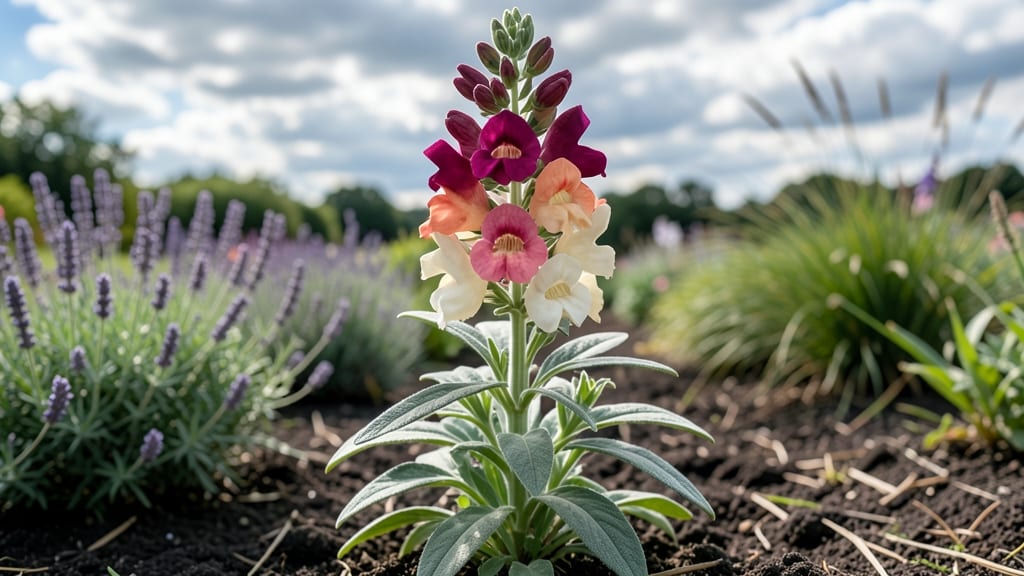
The snapdragon flower bloom time depends on chill hours, sunlight, and your hardiness zone — and getting it right means vibrant blooms 🌸 from early summer to fall.
Wondering why your snapdragons refuse to bloom despite perfect sunlight? The answer likely lies in their chill hour requirements — something most gardeners overlook until it’s too late.
These cool-season plants need 300–600 hours below 45°F to trigger flowering, and skipping that step leaves you with lush foliage but no blooms.
In Zone 6a, where I garden, snapdragons typically bloom from June through September, but timing shifts dramatically in warmer zones. Annual varieties often need fewer chill hours than perennials, and container-grown plants may bloom later if they miss early-season cold snaps.
Below, I’ll break down exactly how chill hours affect bloom windows, plus 5 pro tips to coax flowers earlier — even if your zone doesn’t cooperate. Ready to turn those green spikes into a sea of color?
How many chill hours do snapdragons need to bloom?
If you've planted snapdragons expecting vibrant blooms but ended up with lush foliage and no flowers, chill hours are likely the culprit. Unlike sun-loving annuals, snapdragons—especially perennial varieties—require a specific number of cold hours below 45°F (7°C) to trigger flowering.
This often-overlooked factor determines whether your snapdragons will reward you with cheerful blooms or remain stubbornly vegetative.
Most gardeners assume annual snapdragons bloom reliably, but even they benefit from chill hours to set strong flower buds. Perennial snapdragons, however, are far more dependent on these cold periods. Without enough chill hours, your plants may produce leggy stems and fewer flowers, leaving you frustrated.
Understanding your USDA hardiness zone and the specific chill hour needs of your snapdragon variety is the key to unlocking those iconic snapdragon blooms.
| Variety Type | Chill Hours Needed | USDA Zones | Bloom Time | Notes |
|---|---|---|---|---|
| Annual Snapdragons | 300–500 hours | 5–10 (with stratification) | Late spring–fall | Direct-sown or pre-chilled seeds bloom faster. |
| Perennial Snapdragons | 800–1,200 hours | 4–7 (cold climates) | Early summer–early fall | Requires winter dormancy; may need mulch. |
| 'Rocket' Series (Annual) | 400–600 hours | 6–9 | Mid-summer–frost | Tall varieties need staking; deadhead for repeat blooms. |
| 'Matrix' Series (Annual) | 300–400 hours | 7–10 | Early summer–fall | Compact; ideal for containers and borders. |
| 'Tiny Tower' (Dwarf Annual) | 350–500 hours | 5–8 | Late spring–frost | Perfect for window boxes; blooms densely. |
Annual snapdragons typically need 300–600 chill hours, making them adaptable to USDA zones 5–10 if planted after the last frost. However, perennial varieties demand 800–1,200 chill hours, thriving best in zones 4–7.
If you're in zone 8 or higher, perennial snapdragons may struggle to bloom without artificial chill treatments. For example, the 'Rocket' series (annual) requires 400–600 chill hours and blooms from mid-summer to frost, while the 'Matrix' series (also annual) needs slightly fewer 300–400 chill hours and flowers earlier.
Your hardiness zone directly impacts bloom timing. In zone 5, snapdragons may need 6–8 weeks of winter chill before blooming, often starting in late May or June.
In zone 7, where winters are milder, you might need to pre-chill seeds or plant in early spring to meet chill hour requirements. For zone 9–10, annual snapdragons are your best bet, as perennials rarely get enough cold exposure naturally.
If you're growing snapdragons in containers, chill hour requirements remain the same, but soil temperature plays a bigger role. Pots cool faster in winter, so move containers to a shady, protected spot during cold snaps to ensure they receive adequate chill hours.
Conversely, in hot climates, you might need to stratify seeds (mimic winter chill) by refrigerating them for 4–6 weeks before planting.
For gardeners in warmer zones, consider fall planting to expose seeds to natural chill during winter. For instance, sowing 'Matrix' snapdragons in October in
Snapdragon bloom time by hardiness zone: a month-by-month guide
Snapdragons are stunning annuals that reward gardeners with vibrant blooms from early summer through fall—but their bloom timing depends heavily on your USDA hardiness zone and variety choice.
In cooler zones like 5-6, you’ll see flowers as early as June, while warmer zones 9-10 may enjoy blooms starting in May and lasting until November. Container-grown snapdragons often bloom 2-3 weeks earlier than in-ground plants due to faster warming.
To maximize your snapdragon’s flowering potential, choose varieties that align with your zone’s last frost date. Early bloomers like 'Matrix' series thrive in zones 5-7, while heat-tolerant types such as 'Rocket' hybrids shine in zones 8-10.
Below, I’ve broken down the bloom timeline by zone, including adjustments for container vs. in-ground planting for precise planning.
🌸 Snapdragon Bloom Timeline by Zone
- Zone 5-6: Early bloomers 📅 June-Sept
- Zone 7-8: Mid-season peak 📅 May-Nov
- Zone 9-10: Extended blooms 📅 April-Dec
- Containers: 2-3 weeks earlier ⏳ Adjust +2-3 weeks
- Late varieties: 'Rocket' series 🌡️ Heat-tolerant
✅ Pro Tip: Deadhead spent blooms to extend flowering by 3-4 weeks in all zones.
In USDA zones 5-6, snapdragons typically kick off blooming in late June if planted after your last frost (usually mid-May). Early varieties like 'Tiny Tower' may produce flowers as soon as June 1st in containers, while in-ground plants lag by 1-2 weeks.
For zones 7-8, expect blooms to begin in May, with peak flowering through September.
Gardeners in zones 9-10 enjoy the longest bloom season, often from April through December, thanks to milder winters. Heat-tolerant varieties like 'Rocket Mix' thrive here, producing continuous blooms with minimal care.
Container snapdragons in these zones may even rebloom after a light fall frost if protected with row covers.
To adjust bloom times, consider strategic planting: Sow seeds indoors 6-8 weeks before your last frost for an earlier start. In containers, use fast-draining mixes to prevent root rot, which can delay flowering by up to 3 weeks.
Always plant in full sun to partial shade—even a 20% reduction in sunlight can push back blooms by 10-14 days.
For container gardeners, choose compact varieties like 'Matrix Dwarf' (12-18 inches tall) to maximize bloom density in small spaces. In-ground snapdragons benefit from mulching to retain moisture, which encourages earlier and more abundant flowering.
Whether you're in Zone 5 or Zone 10, snapdragons will reward you with color if you time your planting and care correctly.
🌿 Remember: Snapdragons are cool-season performers—they thrive in 60-75°F temperatures and may struggle in extreme heat (above 85°F). Provide afternoon shade in zones 9-10 during peak summer to prolong blooms.