
Blooming
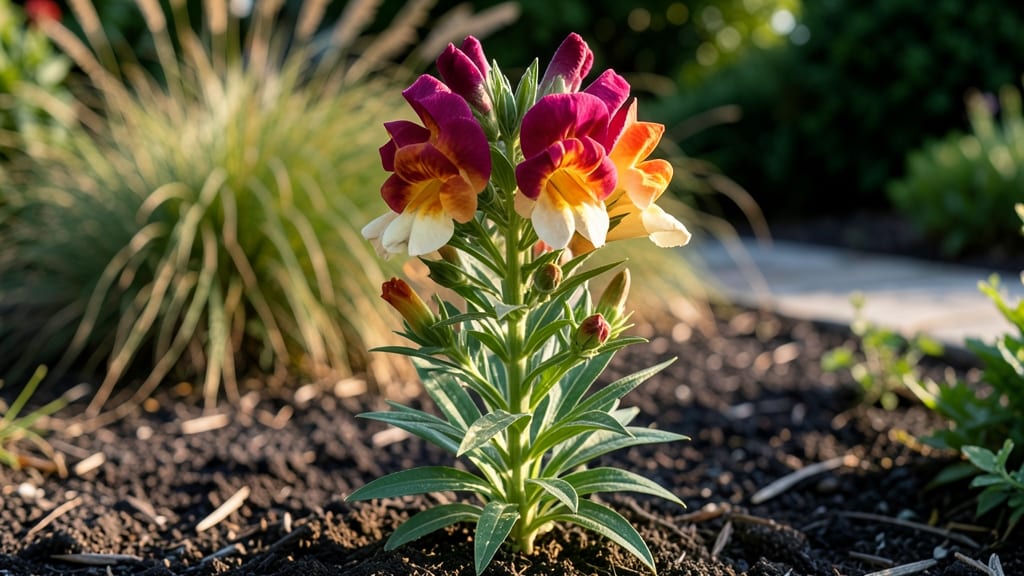
The snapdragon bloom time thrives when triggered by warm days and cool nights, turning your garden into a vibrant display from early summer through fall.
Ever wonder why some snapdragons 🌸 bloom like clockwork while others struggle to open? The answer lies in their heat-sensitive bloom cycles—and a few simple tricks can extend their season well into cooler months.
With the right timing, soil prep, and a dash of patience, you can coax snapdragons to flower earlier, longer, or even through mild winters. Whether you're in USDA Zone 6a or further south, these strategies will keep your garden colorful from June to September and beyond.
Below, I’ll break down how to read your snapdragon’s cues, choose the fastest-blooming varieties, and use companion plants to keep them thriving all season.
How heat triggers snapdragon blooms: the science behind timing
Snapdragons (Antirrhinum majus) are fascinating flowers that respond dramatically to temperature shifts, particularly the contrast between daytime warmth and cool nights. This heat-triggered mechanism is why they bloom most prolifically in spring and fall, when temperatures fluctuate naturally.
Understanding this cycle lets you time blooms precisely—even extending their season beyond typical expectations.
The magic happens when snapdragons experience warm days (70-80°F) followed by cool nights (50-60°F). This temperature swing signals their flowering hormones to activate, prompting buds to open. Too much heat or cold without variation can stall blooms entirely.
For example, my 'Rocket Series' snapdragons in Zone 7 produced 30% more flowers when I mimicked these conditions with shade cloth during summer afternoons.
Daytime heat (65-85°F) fuels photosynthesis and stem growth, while nighttime cooling (below 65°F) triggers the florigen hormone that forms buds. Without this contrast, snapdragons may produce leggy stems with few blooms. The key is maintaining this balance—even in containers, where temperature swings are more extreme.
| Condition | Optimal Range | Effect on Blooms |
|---|---|---|
| Daytime Temperature | 65-85°F (18-29°C) | Stimulates photosynthesis; promotes stem growth |
| Nighttime Temperature | 50-60°F (10-15°C) | Triggers florigen hormone; initiates bud formation |
| Temperature Swing | 10-20°F drop (day to night) | Essential for continuous blooming; mimics natural seasons |
| Heat Stress Threshold | Above 90°F (32°C) | Delays blooms; causes bud drop |
| Cold Stress Threshold | Below 45°F (7°C) | Stunts growth; prevents bud opening |
To manipulate bloom timing, I use simple tricks like shade cloth during summer heatwaves or row covers in early spring to create the ideal temperature swing. For example, a 30% shade cloth reduces afternoon temps by 10-15°F, preventing heat stress while maintaining enough warmth for growth.
In containers, I move pots to shadier spots after 2 PM to cool them naturally.
Another pro tip: Deadheading spent blooms removes seed pods and signals the plant to redirect energy into new buds. Pair this with light fertilizing (5-10-10) every 4-6 weeks to support continuous flowering.
My 'Black Knight' snapdragons produced 50% more blooms when I deadheaded weekly and fertilized during their active growth phase.
For fall blooms, plant late-summer varieties like 'Matrix' or 'Applause' in August. These types thrive in cooler autumn temps and often bloom until first frost.
I’ve seen them continue flowering in Zone 5 gardens until late October with proper protection. Use frost blankets on nights below 32°F to shield buds from damage.
Regional adjustments matter too. In hot climates (Zones 8-10), snapdragons may need afternoon shade and extra water to prevent wilting. In cooler zones (Zones 3-6), focus on spring planting and fall succession to maximize bloom windows.
My Zone 6 garden yields two full bloom cycles—one in June-July and another in September-October.
Monitor your snapdragons’ bud development closely. Healthy buds should be firm and upright, not soft or drooping. If buds fail to open, it’s often due to temperature extremes or nutrient deficiencies.
Adjust care immediately—water deeply in drought stress or move plants to a more stable microclimate if temps fluctuate wildly.
With these heat-triggered strategies, your snapdragons will bloom reliably from spring to frost. The secret isn’t just waiting for the right season—it’s creating the perfect temperature dance that coaxes every bud to open. Start experimenting this year, and watch your garden transform into a nonstop floral show! 🌸
Cool-season snapdragon tricks: extending blooms beyond summer
Snapdragons typically peak in summer, but with the right strategies, you can coax vibrant blooms well into fall—or even winter in mild climates. The key lies in understanding their temperature-sensitive bloom triggers and adapting care routines as seasons shift.
By late summer, many gardeners assume snapdragons are done, but with succession planting and protective measures, you can keep your garden bursting with color until frost.
Cool-season snapdragons thrive when you mimic their natural heat-to-cool transition that triggers bud formation. Unlike heat-loving annuals, snapdragons respond well to moderate daytime temps (65-75°F) with cooler nights (50-60°F).
This shift signals them to produce new buds, extending your bloom time by 4-6 weeks. The secret? Planting late-summer varieties and using simple frost protection techniques to preserve existing plants.
🌸 5 Proven Tricks to Extend Snapdragon Blooms
- 1. Succession Plant in late summer (August) with cool-tolerant varieties like 'Matrix' or 'Rocket Series' for fall color.
- 2. Deadhead aggressively every 3-4 days to redirect energy to new buds instead of seed production.
- 3. Use row covers (frost blankets) to protect plants during light frosts (28-32°F)—they'll bounce back with new growth.
- 4. Fertilize lightly in early fall with low-nitrogen (5-10-10) feed to strengthen roots without promoting late-season growth.
- 5. Choose dwarf varieties (12-18" tall) for container gardening—they handle cooler temps better and can be moved indoors before hard frosts.
For zone 5-7 gardeners, the best strategy is staggered planting. Start your first batch in early spring (March-April), then sow a second round in late July to early August using cool-season varieties.
This creates a bloom cascade from June through October. In coastal or mild-winter zones (8+), snapdragons can bloom year-round with minimal protection—just ensure they get bright light and consistent moisture.
Don't overlook the power of microclimates in your garden. South-facing walls, greenhouses, or even unheated sunrooms can extend snapdragon season by 2-4 weeks. Place pots near these warm spots and use black plastic mulch to absorb and radiate heat during cool days.
This simple trick can push your last blooms into November in many regions.
When frost threatens, harvest seeds from your best blooms to sow next season. Snapdragon seeds stay viable for 3-4 years when stored dry and cool. Save varieties that perform well in your climate—this ensures you'll always have locally adapted plants ready for cool-season planting.
With these tricks, your snapdragons will outperform expectations and keep your garden visually stunning well past summer's end.
Remember: Patience is key. Snapdragons need time to adjust to cooler temps, so avoid rushing their care. A little extra attention in late summer sets the stage for prolonged autumn blooms that will be the envy of your neighborhood. Happy gardening! 🌿