
Blooming
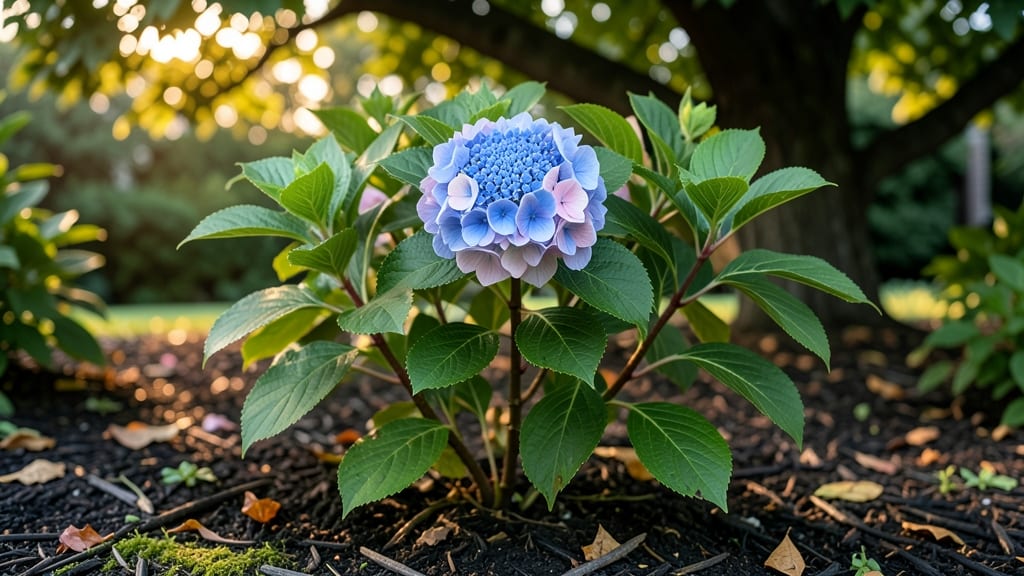
Your single bloom hydrangea could be the star of your garden—if you prune it right. ✂️ Unlike their fussy mophead cousins, these varieties thrive with minimal trimming, but timing and technique make all the difference for those bold, showy blooms you crave. The secret?
Prune after flowering in late summer or early fall, never in spring. Cut back only the previous year’s growth—never more than ⅓ of the plant—to keep energy flowing to next season’s blooms. I’ve seen these plants go from sparse to spectacular in just one season with this simple approach.
By winter, you’ll have sturdy stems ready for spring’s new growth, with flowers appearing on last year’s wood—not this year’s. The result? A hydrangea bush that blooms reliably, year after year, with minimal effort. Works for both Hydrangea paniculata (like 'Limelight') and H. arborescens (like 'Annabelle').
Let’s get those shears ready!
📚 In This Guide
- What you need
- Instructions
- Tips and common mistakes
- Wrapping up and next steps
What you need
- ● Single bloom hydrangea plant – Choose a healthy, well-established specimen (3–5 years old for best results).
- ● Well-draining potting mix or garden soil – Aim for a slightly acidic to neutral pH (5.5–7.0). For containers, use a mix with perlite or sand.
- ● Organic mulch (e.g., shredded bark or pine needles) – 2–3 inches to retain moisture and regulate soil temperature.
- ● Balanced fertilizer (10-10-10 or 20-20-20) – Use sparingly (follow package instructions) during growing season.
- ● Watering can or hose with a gentle spray nozzle – Hydrangeas love consistent moisture but hate soggy roots.
- ● Sharp bypass pruners – For clean cuts (avoid dull tools that crush stems!).
- ● Garden shears or loppers – For thicker stems (if your hydrangea is mature).
- ● Hand pruners for detail work – Great for shaping and removing dead blooms.
- ● Disinfectant (rubbing alcohol or 10% bleach solution) – Wipe tools between cuts to prevent disease.
- ○ Gloves (optional but recommended) – Protects hands from thorns and sap.
- ● Soil pH test kit – Single bloom hydrangeas tolerate a wider pH range but thrive in slightly acidic soil.
- ● Epsom salt (magnesium sulfate) – A pinch in water monthly can boost green growth.
- ● Container with drainage holes – If growing in pots, ensure excess water escapes.
- ● Plant supports (stakes or cages) – For larger varieties that may flop over.
- ● Slow-release fertilizer granules – Reduces the need for frequent feeding.
Step-by-step pruning for single bloom hydrangeas
Here's how to transform your hydrangeas into a year-round color show with minimal effort.
✂️ Step 1: Identify Your Hydrangea Type
Single bloom hydrangeas (like Hydrangea paniculata) produce flowers on new wood, meaning they bloom on current season's growth. This is key—you'll prune differently than mophead or oakleaf varieties. Look for cone-shaped flower clusters rather than round blooms. If you're unsure, check the leaf shape: single bloomers have larger, more pointed leaves.
This distinction matters because pruning at the wrong time can remove next year's flower buds. I always wait until late winter or early spring when the plant is still dormant but before new growth starts. You'll know it's time when you see the first green shoots emerging from the base.
✂️ Step 2: Time Your Pruning for Maximum Impact
Prune your single bloom hydrangeas in late February to early March—just as buds begin to swell but before leaves emerge. This timing ensures you remove dead wood while preserving next year's flower potential. If you prune too early, you risk cold damage to fresh cuts. If you wait too long, you'll cut back growth that could have become this season's blooms.
Here's the thing—single bloomers are forgiving. You can even prune in early summer if needed, though you'll sacrifice some current season flowers. I prefer the dramatic results of a clean late-winter prune, which also makes the plant's structure more visible for shaping.
✂️ Step 3: Cut Back to Strong Growth Points
Use clean, sharp pruners to make cuts just above a bud that faces outward on the stem. For single bloomers, you can be aggressive—cut back up to ⅓ of the plant's height if needed. I aim to remove any dead, diseased, or crossing branches first, then thin out crowded stems to improve airflow.
The goal is to create an open vase shape. You'll see where the plant naturally wants to grow—follow those strong stems. Never leave stubs; always cut at a 45-degree angle about ¼ inch above the bud. This prevents water from pooling and protects against rot.
☀️ Step 4: Shape for Year-Round Interest
After your initial cuts, step back and evaluate the plant's form. Single bloomers respond beautifully to shaping, so don't be afraid to create tiers or layers. I often leave the lower branches slightly longer to create a natural fountain shape that cascades over time.
This is where the magic happens for year-round color. The new growth that emerges after pruning will be vibrant and full. Even when not in bloom, the lush foliage provides texture and color. In fall, the flower clusters often turn stunning shades of pink, burgundy, or gold—your reward for proper pruning.
💧 Step 5: Post-Prune Care for Vigorous Regrowth
Water deeply immediately after pruning to help the plant recover. Single bloomers are drought-tolerant once established, but fresh cuts need moisture to heal properly. I apply a 2-3 inch layer of mulch around the base to retain moisture and protect roots from temperature swings.
Fertilize lightly with a balanced formula (10-10-10) in early spring to encourage new growth. Avoid heavy feeding after mid-summer, as this can stimulate tender growth that won't survive winter. You'll see new shoots emerging within 3-4 weeks—that's your signal the pruning worked.
Tips & tricks for perfect single bloom hydrangea pruning
Transform your hydrangeas into a vibrant, year-round display with these expert pruning insights that go beyond the basics.
Timing is Everything: The late February to early March window is non-negotiable for single bloom varieties. I've learned this the hard way—pruning too early risks frost damage to fresh cuts, while waiting too long sacrifices current season's flowers. Watch for those first green shoots emerging at the base; that's your cue. If you miss this window, don't panic—single bloomers are forgiving, but summer pruning will reduce this year's blossoms.
Pruning Technique That Makes All the Difference: When cutting back up to ⅓ of the plant's height in Step 3, focus on creating an open vase shape rather than just reducing size. Make your cuts at a 45-degree angle about ¼ inch above an outward-facing bud—this encourages new growth in the right direction. I always remove dead, diseased, or crossing branches first, then thin out crowded stems to improve airflow, which prevents fungal issues later in the season.
Shape for Season-Long Drama: After your initial cuts, step back and evaluate the plant's natural form. Single bloom hydrangeas respond beautifully to shaping, so don't be afraid to create tiers or cascading layers. I often leave lower branches slightly longer to create that natural fountain shape that becomes even more stunning as the season progresses. This shaping isn't just about aesthetics—it improves sunlight penetration and air circulation throughout the plant.
Post-Prune Care That Sets You Up for Success: The 2-3 inch layer of mulch I apply after pruning isn't just decorative—it's essential for retaining moisture and protecting roots from temperature swings. Watering deeply immediately after pruning helps the plant recover, and that balanced 10-10-10 fertilizer in early spring gives new growth the boost it needs. Watch for those new shoots emerging within 3-4 weeks; that's your confirmation the pruning worked perfectly.
Pro Tips for Single Bloom Hydrangea
- Transform your hydrangeas into a vibrant, year-round display with these expert pruning insights that go beyond the ba...
- Timing is Everything: The late February to early March window is non-negotiable for single bloom varieties. I've lear...
- Pruning Technique That Makes All the Difference: When cutting back up to ⅓ of the plant's height in Step 3, focus on ...
Frequently asked questions
Got questions about keeping your single bloom hydrangea thriving? You’re not alone! Here are answers to the most common queries—so you can enjoy those stunning blooms all year long.
When is the best time to prune single bloom hydrangeas?
Prune your single bloom hydrangeas (like Hydrangea paniculata or H. arborescens) right after flowering—typically in late winter or early spring (Feb–March in most climates). This ensures you don’t cut off next year’s blooms, which form on new wood. Avoid pruning in fall, as late cuts can leave stems vulnerable to winter damage.
Can I prune too much? What’s the ideal amount?
Yes! Over-pruning can stress your plant. For single bloom hydrangeas, aim to remove 1/3 of the plant’s height max—focus on dead, weak, or crossing branches first. Never cut into old wood (last year’s stems), as this removes potential blooms. Think of it like a haircut: shape, not shear!
Will pruning affect next year’s flowers?
Not if done correctly! Single bloom hydrangeas produce flowers on current season’s growth, so pruning after blooming won’t hurt next year. Pro tip: Label branches with a flag or ribbon if you’re unsure which are new vs. old—this helps avoid accidental cuts to next year’s buds.
What if my hydrangea isn’t blooming after pruning?
No blooms? Check these fixes:
- Timing: Did you prune too early (before buds swell)? Wait until late winter.
- Light: Ensure it gets 6+ hours of sun—shady spots reduce flowering.
- Water/nutrients: Drought or poor soil (low phosphorus) can stunt blooms. Feed with balanced fertilizer in spring.
- Age: Young plants (under 3 years) may need patience—blooms take time!
Are there low-maintenance alternatives to single bloom hydrangeas?
If pruning feels tricky, try these easy-care options:
- Oakleaf Hydrangea (H. quercifolia): Blooms on old and new wood—prune lightly in late winter.
- Bigleaf Hydrangea (H. macrophylla): Prune right after flowering to encourage next year’s blooms.
- Dwarf Bush Honeysuckle: No pruning needed—just deadhead spent blooms for tidiness.
Wrapping up and next steps
Single bloom hydrangeas are a gardener’s dream—vibrant, low-maintenance, and packed with personality! 🌸 With the right pruning techniques, you can keep those stunning blooms coming year after year. Remember, timing, sharp tools, and a little patience are your best friends for a thriving plant.
Ready to transform your garden? Grab your pruners and give your hydrangea the care it deserves—your future blooms will thank you! 🌿 For even more tips, check out our full guide or experiment with different varieties to find your perfect match.